Knowledge Reels
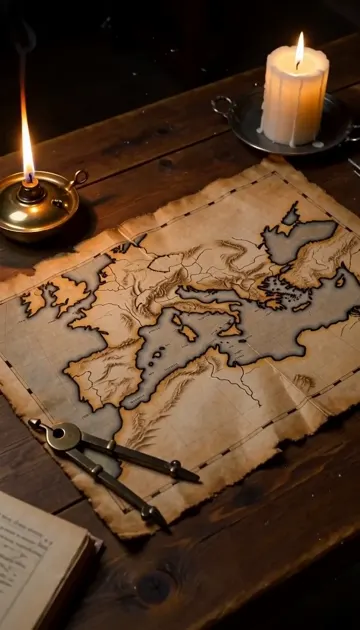

Canada has more lakes than the rest of the world combined
With roughly 62% of the planet's lakes inside its borders, Canada holds more standing fresh water than any other country.
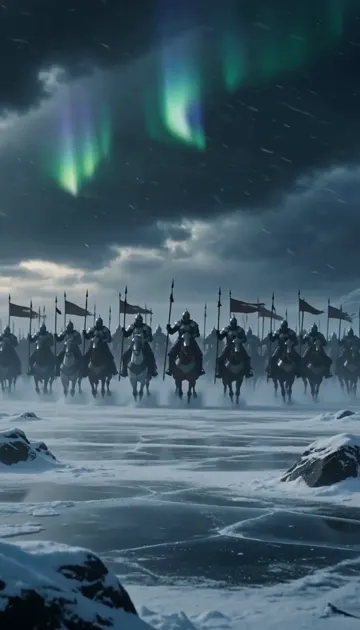
Valkyries chose who died in battle
In Norse belief, valkyries were not just warrior maidens but selectors of the slain. They carried chosen fighters to Valhalla, where they feasted and trained for the final battle at Ragnarok.


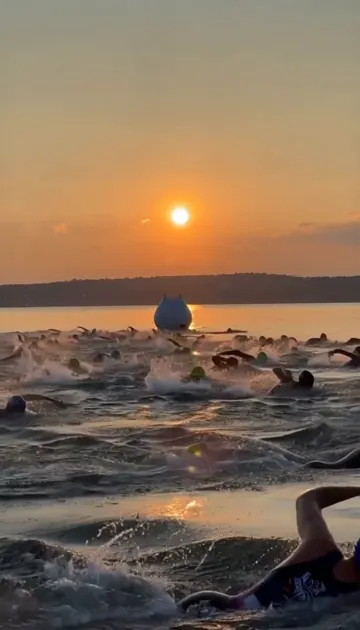
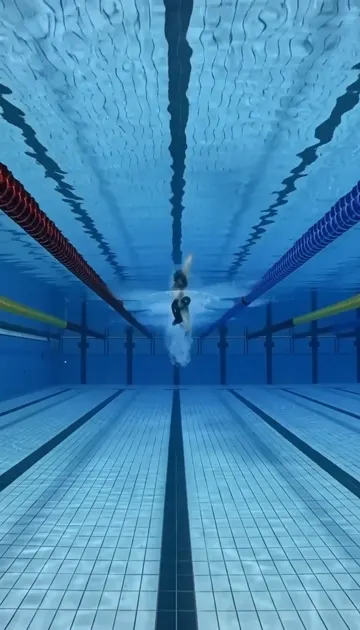
An Ironman is a swim, a bike ride and a marathon back to back
3.8 km of open water, 180 km on the bike, then 42.2 km on foot, all in one day with no real break.
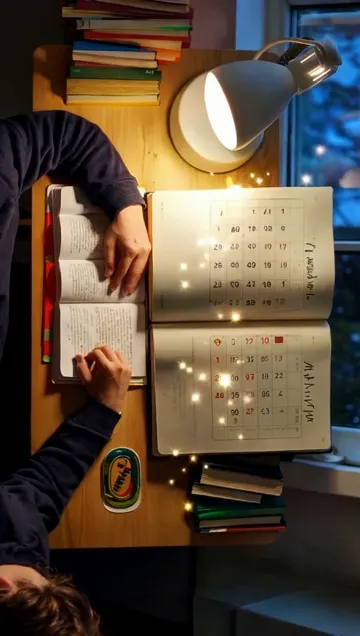
Spreading study out beats cramming
The spacing effect: the same total study time produces far stronger long-term memory when split across days. Forgetting a little between sessions is what makes recall stick.

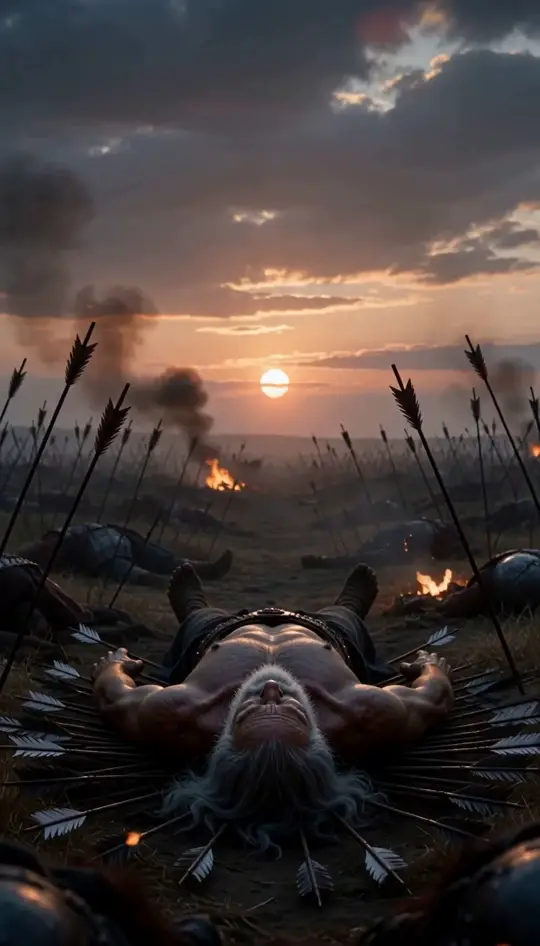
Bhishma chose the hour of his own death
Granted the boon of dying only when he willed it, Bhishma lay on a bed of arrows for 58 days after falling in battle, waiting for the sun to turn north before letting go.
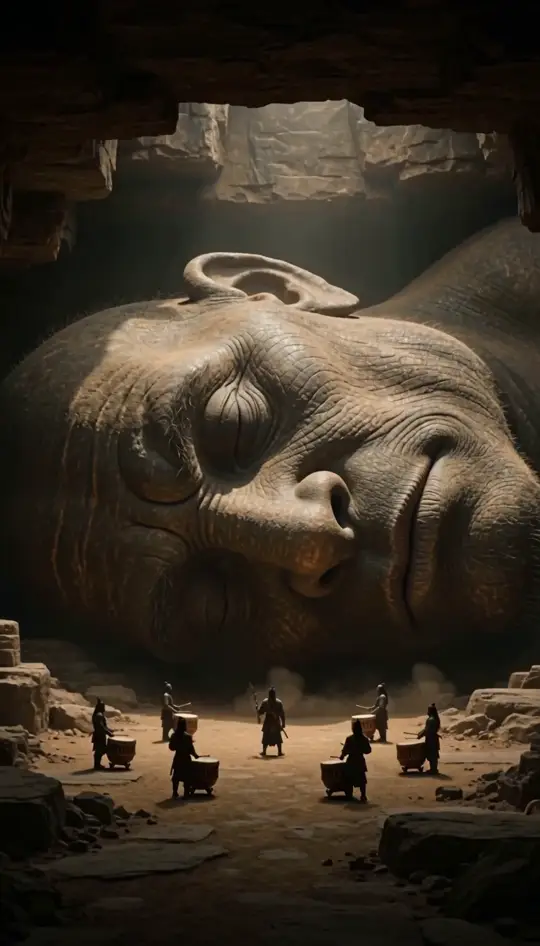
Kumbhakarna slept six months at a time
Meaning to ask Brahma for indrasana, a throne, the giant's tongue slipped and he asked for nidrasana — sleep. Waking him took drums, elephants and armies walking over his body.
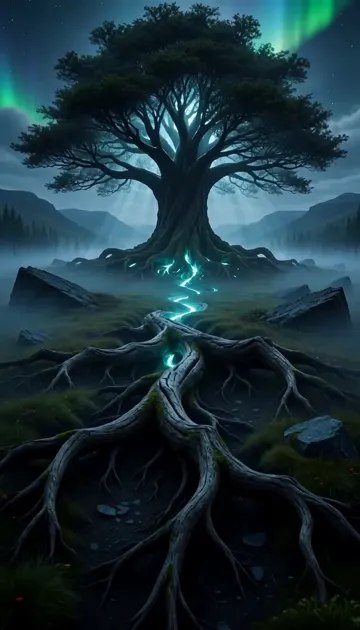
Norse cosmology hangs from a single tree
Yggdrasil, the world ash, connects nine realms through its roots and branches. An eagle sits at its crown, a dragon gnaws at its roots, and a squirrel named Ratatoskr carries insults between them.
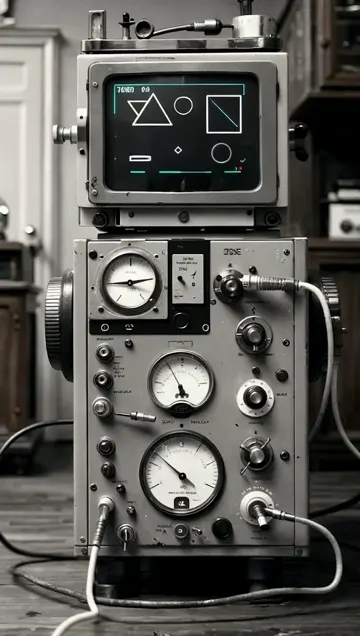
The first neural network ran in 1958
Frank Rosenblatt's Perceptron was a physical machine with motor-driven weights that learned to classify simple shapes — decades before the deep learning boom.

Tango was born in Buenos Aires backstreets
It grew in the immigrant port neighbourhoods of the late 1800s, mixing African rhythms, European melody and local milonga, before Paris made it fashionable worldwide.
The loneliest place on Earth is water
At Point Nemo in the South Pacific, the nearest land is 2,688 km away — astronauts overhead are often the closest humans.

Sita was found in a furrow
King Janaka ploughed a field for a ritual and turned up an infant in the soil. Her name means "furrow", and at the end of the Ramayana she asks the earth to take her back — and it does.
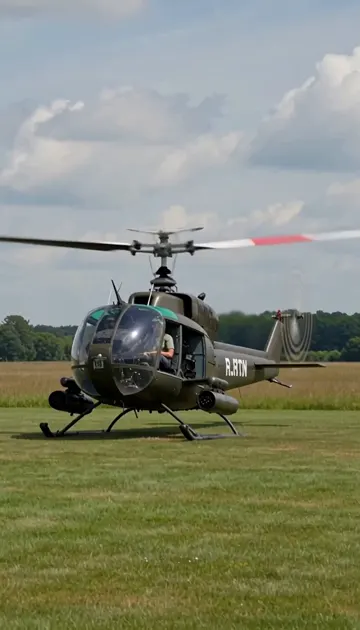
Helicopter designs are 500 years old
Leonardo da Vinci sketched an aerial screw around 1489. A workable helicopter took until the 1930s, because no engine before then had enough power for its weight.
Losing hurts about twice as much as winning feels good
Loss aversion, measured by Kahneman and Tversky, means people work harder to avoid losing something than to gain the same amount. It quietly shapes prices, insurance and bets.
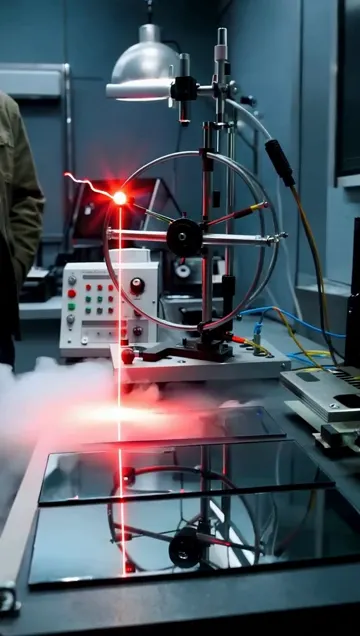
The laser was called a solution looking for a problem
When Theodore Maiman fired the first ruby laser in 1960, nobody knew what it was for. Today lasers cut steel, scan barcodes and carry the internet.
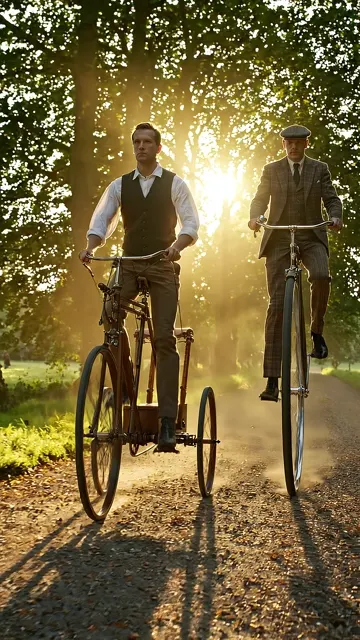
The first bicycle had no pedals
The 1817 draisine was pushed along by the rider's feet. Pedals arrived decades later, and the chain drive only in the 1880s.

Thor's hammer had a famously short handle
In Norse myth, Mjolnir was forged by dwarves while Loki, in the shape of a fly, stung the smith. The distraction left the handle too short, but the hammer still never missed and always returned to Thor's hand.
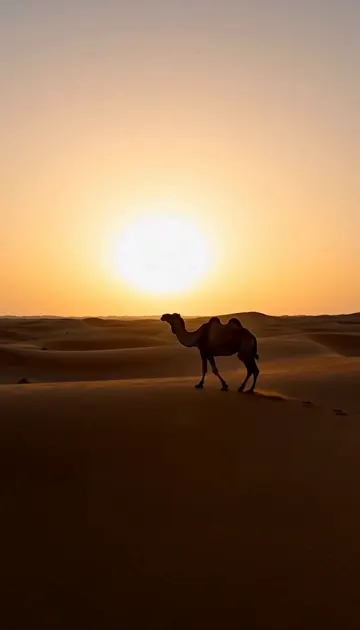

Platypuses hunt with their eyes shut
Underwater a platypus closes its eyes, ears and nostrils and navigates purely by electroreception, sensing the faint electrical fields of shrimp and worms with its bill.
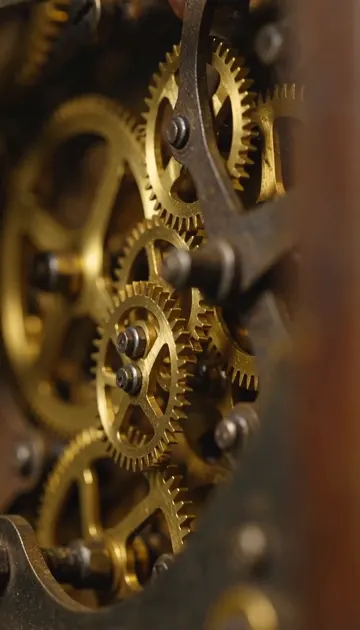
Mechanical clocks had no minute hand at first
Early European clocks from the 1300s showed only hours, and many had no dial at all, just a bell. The minute hand arrived only after the pendulum made clocks accurate enough to need one.
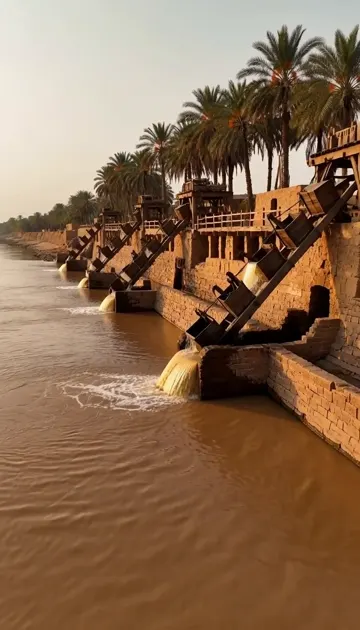
Watering the gardens needed serious engineering
Lifting river water up terraces in a desert climate would have required chain pumps or an Archimedes-style screw, technology described centuries before Archimedes was born.
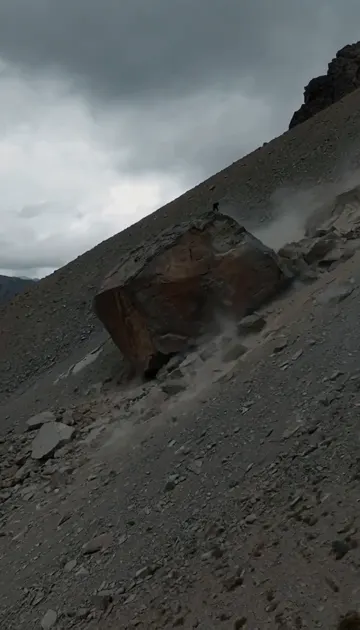
Sisyphus was punished for cheating death twice
He tricked Thanatos into chains so no one could die, then talked his way out of the underworld. Zeus sentenced him to roll a boulder uphill forever, watching it roll back each time.
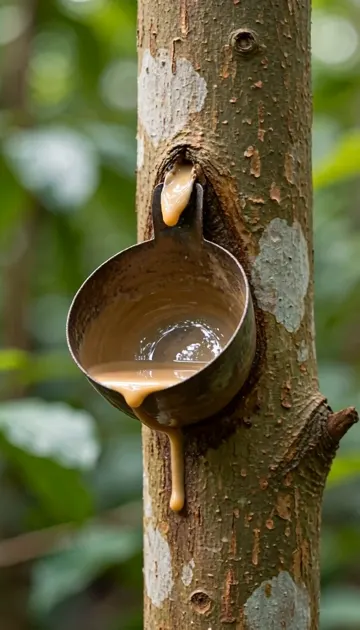
Vulcanised rubber came from a dropped sample
Charles Goodyear accidentally let a rubber and sulphur mixture hit a hot stove in 1839. Instead of melting it toughened, making tyres possible.
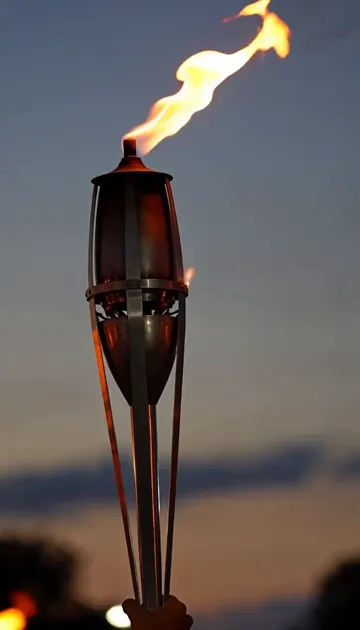
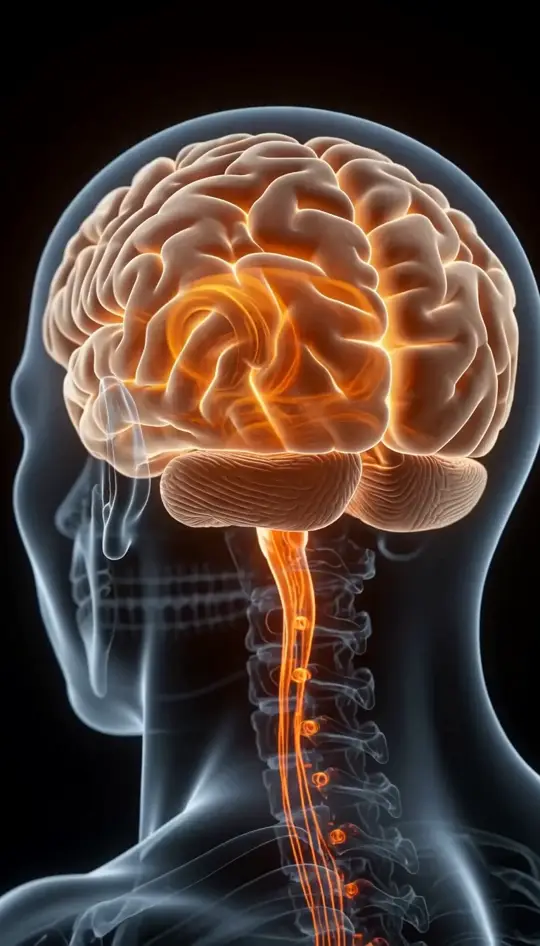
Your brain burns a fifth of your energy
It is about 2% of your body weight but consumes roughly 20% of your calories and oxygen — running on around 20 watts, less than a dim light bulb.
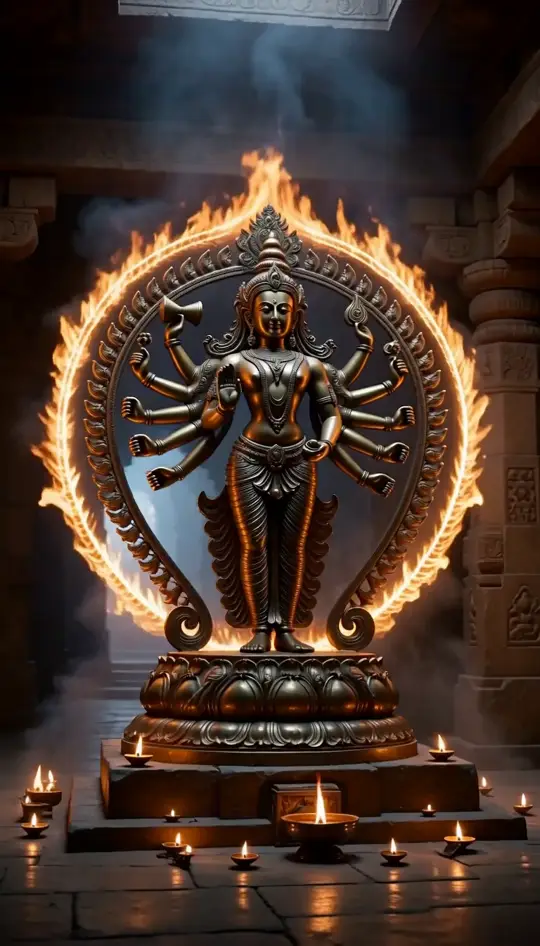
Shiva's dance destroys and creates
As Nataraja, Shiva dances the Tandava inside a ring of fire: the drum in one hand beats out creation, the flame in another consumes the universe, and his raised foot promises release.

The first practical solar cell was 6 percent efficient
Bell Labs unveiled it in 1954 and it was so expensive that only satellites could justify it. Modern panels exceed 22 percent at a tiny fraction of the cost.
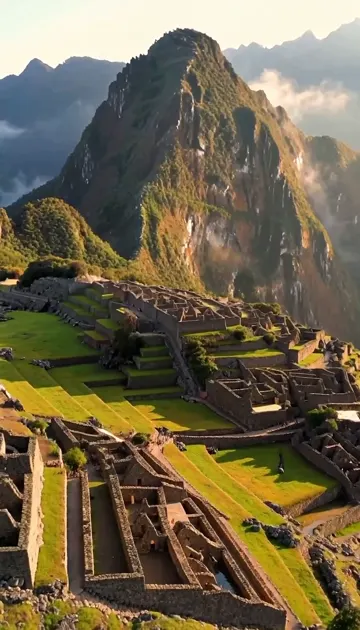
Machu Picchu was built without mortar
Inca masons cut stones so precisely that the walls interlock without cement and still survive frequent earthquakes.
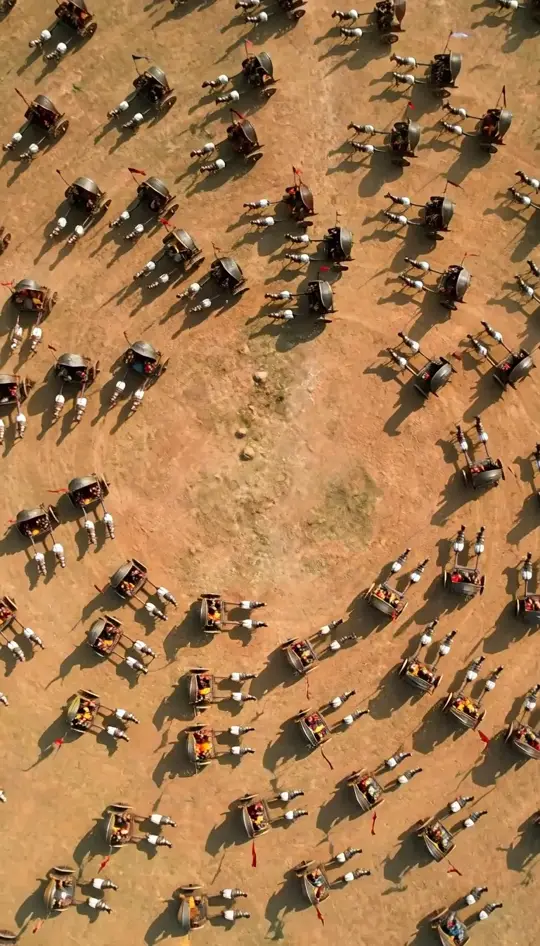
Abhimanyu learned war in the womb
He overheard Krishna explain how to break into the chakravyuha while still unborn — but his mother fell asleep before the escape was described, and at sixteen he died inside the formation.
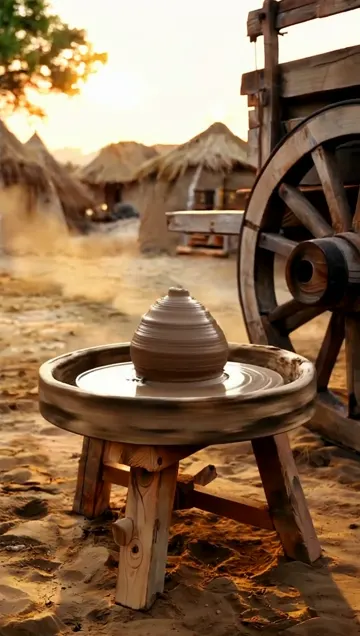
The wheel was invented for pottery, not transport
The oldest known wheels, from about 3500 BC in Mesopotamia, were potter's wheels. It took roughly another 300 years before anyone mounted one on an axle to move a cart.
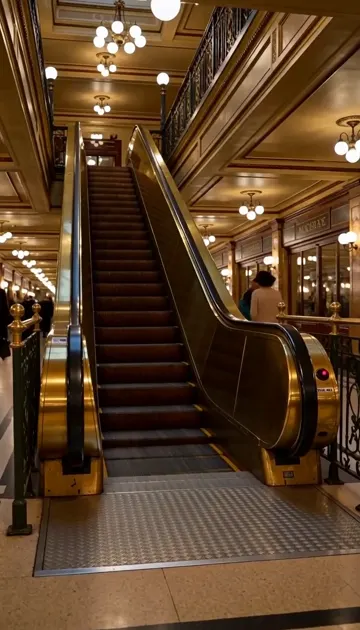
The escalator began as an amusement ride
Coney Island's 1896 inclined elevator was a novelty attraction. Only later did shops realise it could move customers between floors.


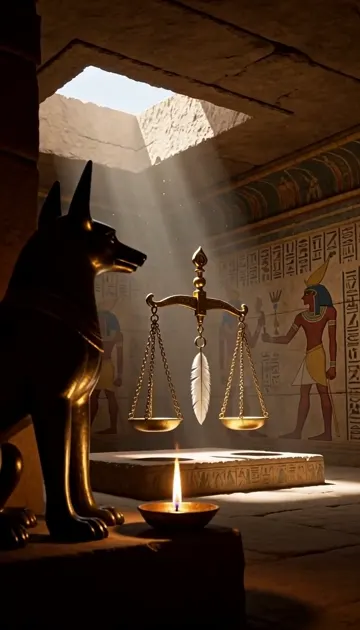
Egyptians believed the heart was weighed against a feather
In the Hall of Two Truths, Anubis balanced the dead person's heart against the feather of Ma'at. A heart heavier with wrongdoing was devoured by Ammit, ending any hope of the afterlife.
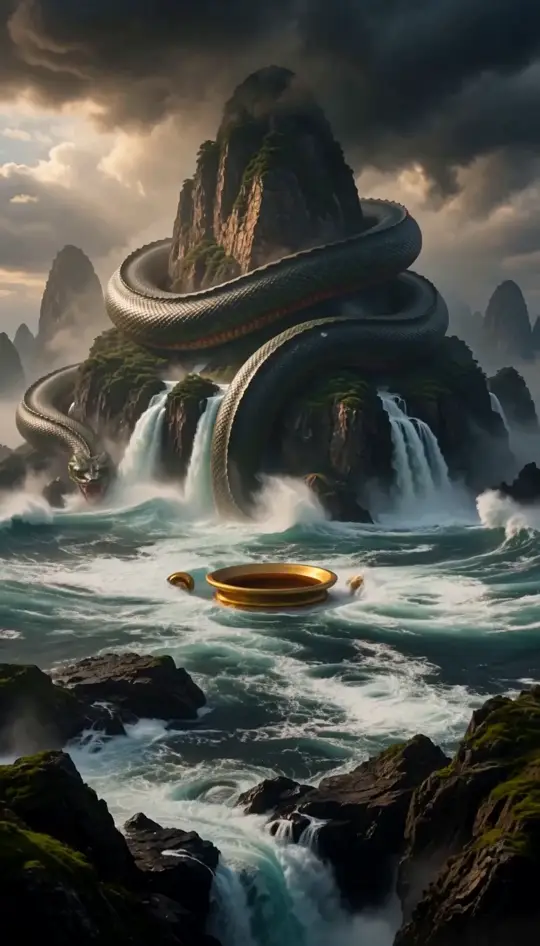
Gods and demons churned an ocean together
In the Samudra Manthan, devas and asuras used Mount Mandara as a churning rod and the serpent Vasuki as the rope to pull nectar of immortality from the ocean of milk. Poison surfaced first — Shiva drank it.

Paper was a state secret for 600 years
Cai Lun refined papermaking in China around 105 AD. The method stayed inside Asia until captured papermakers reportedly revealed it in Samarkand in 751 AD.

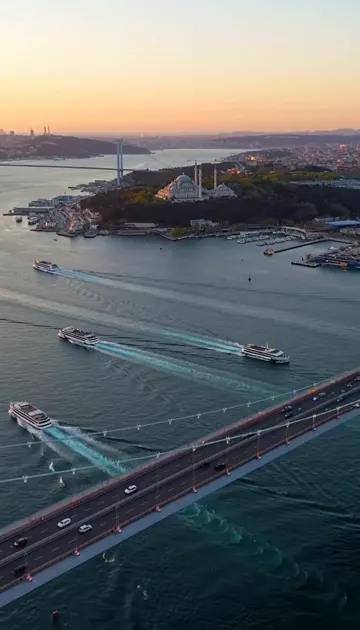
Istanbul sits on two continents at once
The Bosphorus strait splits the city between Europe and Asia, and commuters cross between continents twice a day by ferry, bridge and an undersea rail tunnel.

The washing machine gave back a full working day
Hand laundry took most of a day each week. Electric washers, common from the 1920s, are ranked by economists among the most liberating machines ever built.
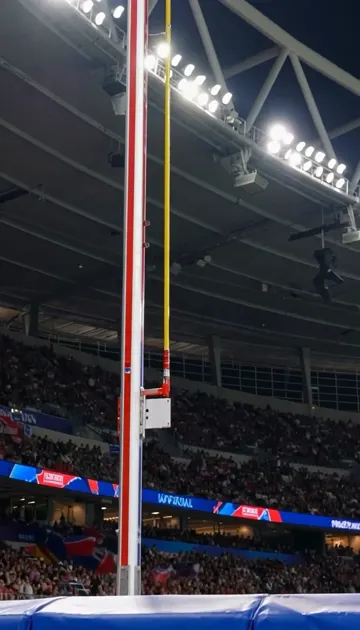
The high jump record has stood since 1993
Javier Sotomayor cleared 2.45 metres, higher than most doorframes, and no one has matched it in over thirty years.
Yawns are contagious — and it may be empathy
People catch yawns more easily from friends and family than strangers, and children generally start catching them around age four, as social mirroring develops.
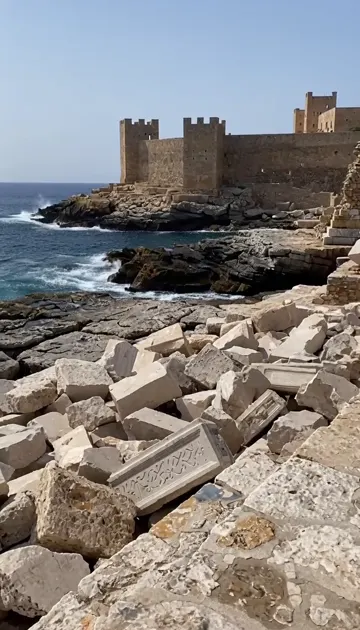
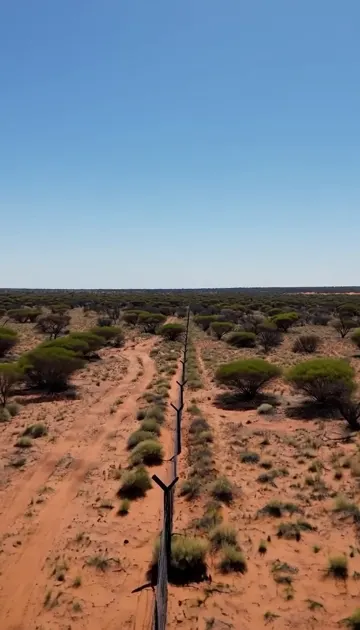
Australia built a fence longer than the Great Wall
The Dingo Fence stretches about 5,600 kilometres across the southeast to keep dingoes away from sheep country, making it one of the longest structures on earth.
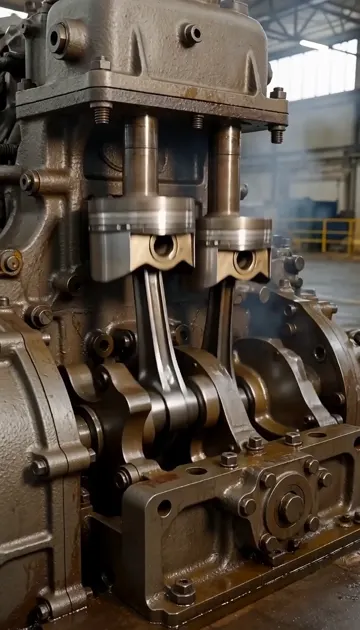
Diesel's first engines ran on peanut oil
Rudolf Diesel demonstrated his engine on vegetable oil in 1900, envisioning farmers fuelling their own machinery long before biodiesel existed.
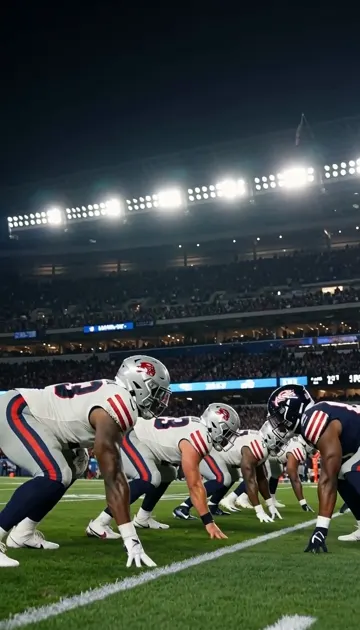
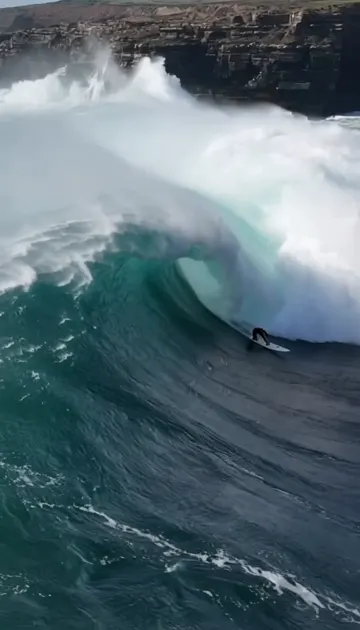


Everest is not the point closest to space
Because Earth bulges at the equator, Ecuador's Chimborazo summit sits about 2 km farther from the planet's centre than Everest.

Angel Falls is so tall the water never lands
Venezuela's Angel Falls drops 979 metres — so far that much of the water turns to mist before it reaches the bottom, especially in the dry season.
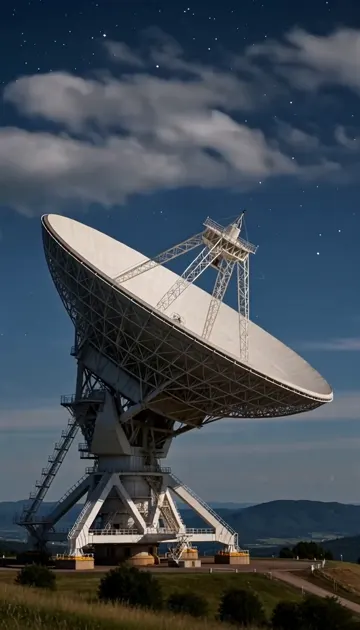
Wi-Fi grew out of radio astronomy
Key patented techniques came from CSIRO researchers in Australia working on signal problems from exploding black holes — maths later used to clean up indoor radio echoes.
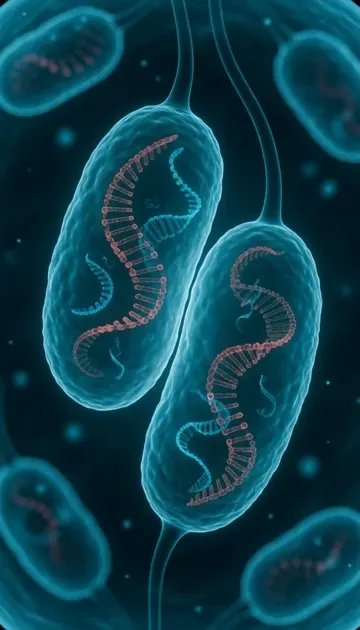



Almost all Egyptians live along the Nile
About 95 percent of Egypt's population lives on roughly 5 percent of its land, a green ribbon beside the river surrounded by desert, clearly visible from space at night.
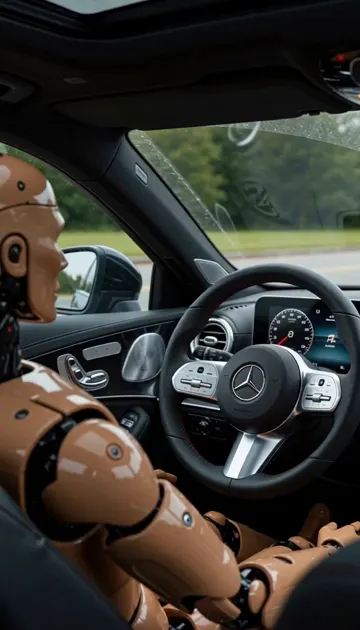
An airbag inflates in about 30 milliseconds
That is faster than a blink. The bag fires, fills with nitrogen gas and starts deflating again before your head reaches it.

Early matches were dangerous to make and use
The first friction matches from 1826 ignited unpredictably, and white phosphorus versions poisoned factory workers. Safety matches split the chemicals between head and striking strip.



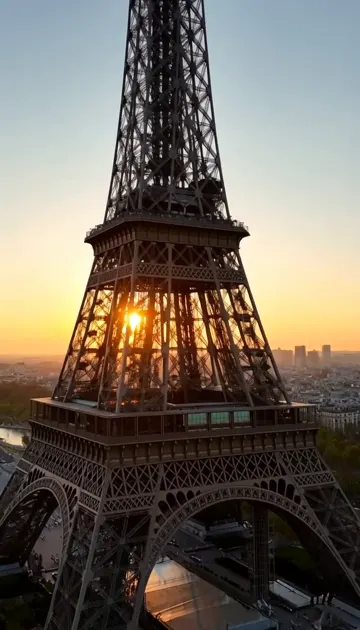
The Eiffel Tower grows in summer
Iron expands when heated, so on hot days the tower can stand up to 15 cm taller — and lean slightly away from the sun.
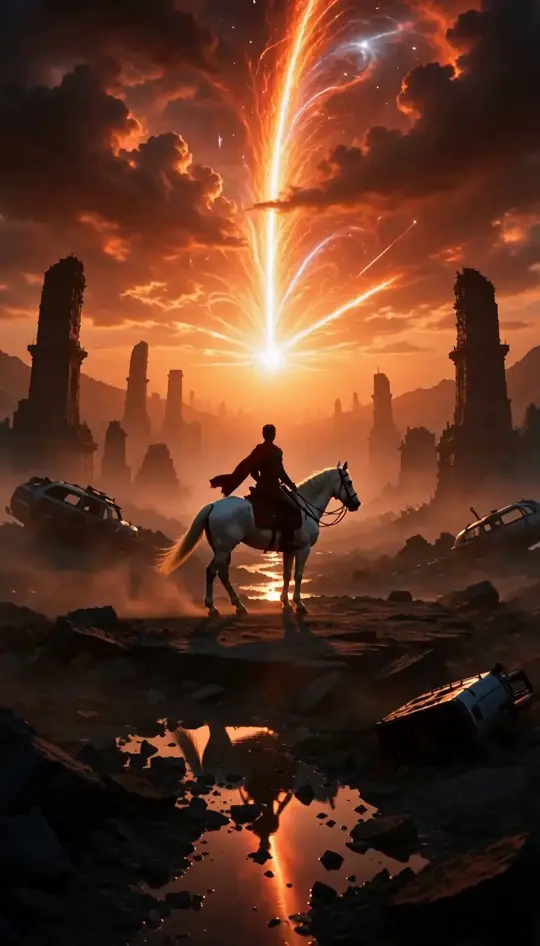
One avatar has not arrived yet
Kalki, the tenth avatar of Vishnu, is prophesied to appear at the end of Kali Yuga on a white horse with a blazing sword, ending the age and turning the wheel of time back to gold.

One athlete changed high jump forever by going backwards
Dick Fosbury cleared the bar head-first and face-up in 1968. Within a decade almost every jumper on Earth had copied him.
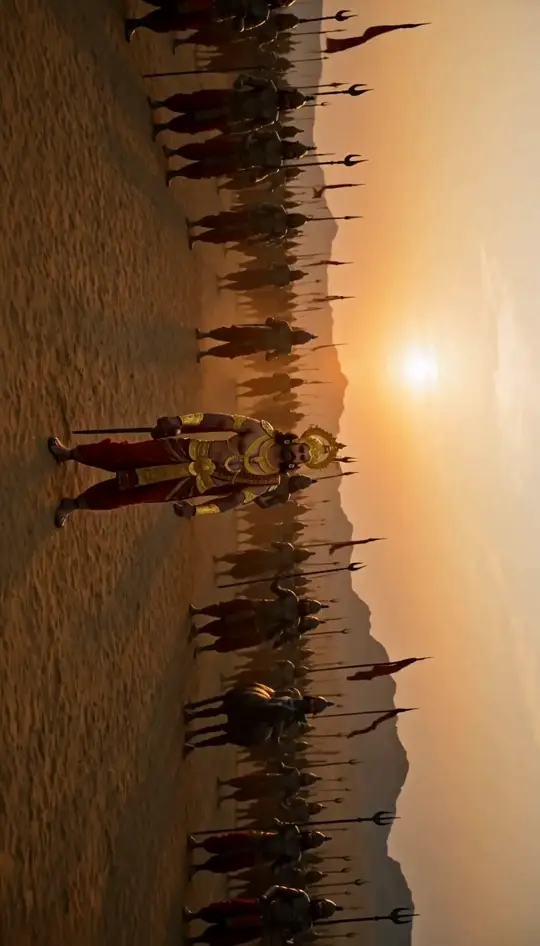
Karna was born wearing armour
Karna came into the world with kavach and kundal — divine armour and earrings fused to his body that made him invincible. Indra begged them away as charity, and Karna cut them off rather than refuse a request.
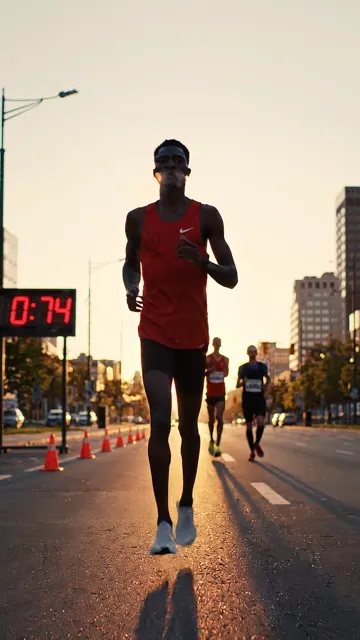

A myth says Hanuman tried to eat the sun
In the Ramayana tradition, the infant Hanuman mistook the rising sun for a ripe fruit and leapt into the sky to grab it, a story used to explain his extraordinary strength and flight.
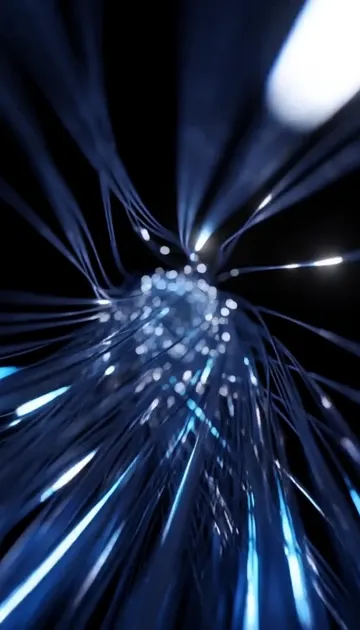
The internet travels as pulses of light
Fibre optic cables carry data as laser light bouncing inside glass thinner than a hair, moving at roughly two-thirds the speed of light in vacuum.
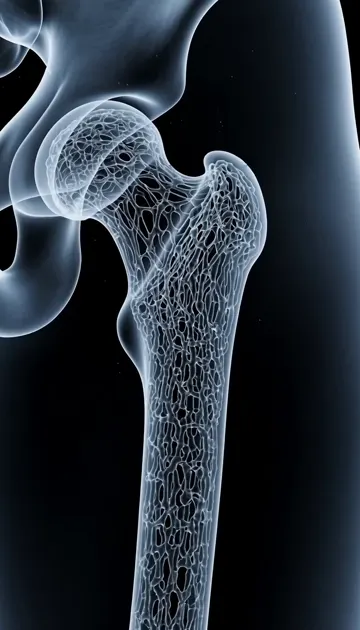
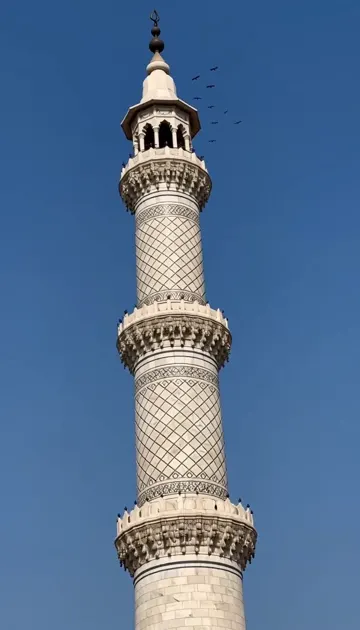
The Taj Mahal's minarets lean outward on purpose
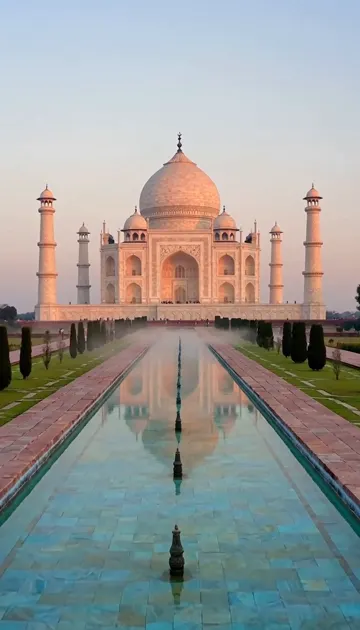
Each of the four towers tilts slightly away from the tomb so that in an earthquake they would fall outward instead of collapsing onto the central dome.

Finland has more saunas than cars
Around three million saunas serve 5.5 million people, found in homes, offices, and even parliament. UNESCO recognised Finnish sauna culture as intangible heritage in 2020.

A melted chocolate bar led to the microwave oven
Engineer Percy Spencer noticed a bar melting in his pocket near a radar magnetron in 1945. He tried popcorn next, and the microwave oven was born.
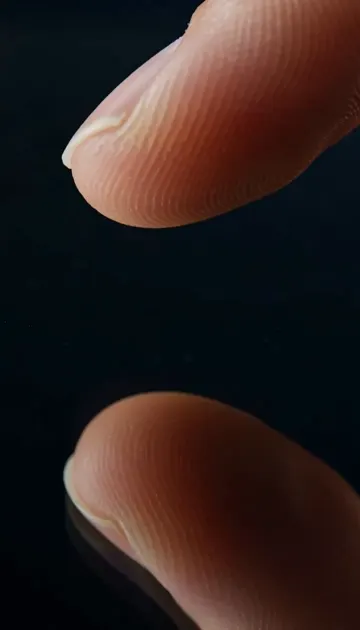
Touchscreens sense your body's electricity
Capacitive screens hold a tiny electrical field; your conductive finger distorts it, and the phone calculates where. That is why gloves usually do not work.
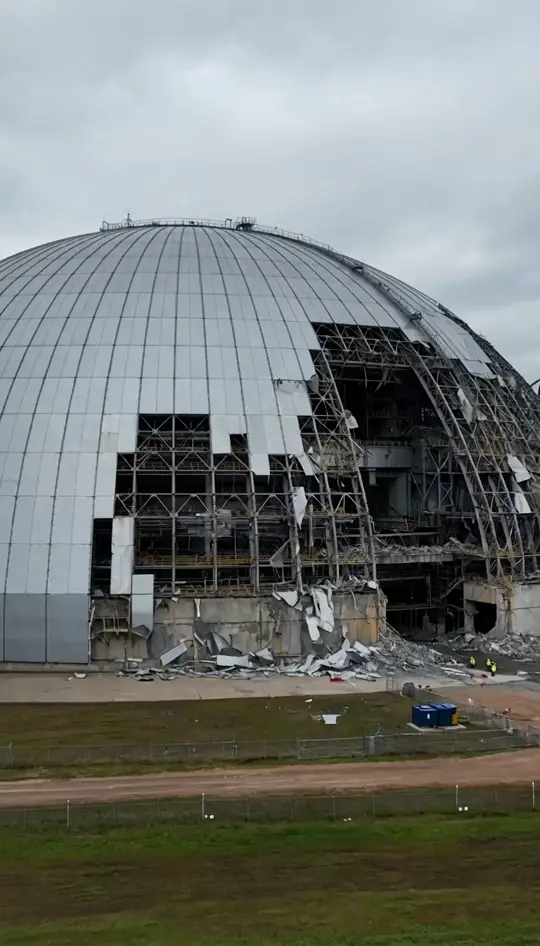
Reactor 4 sits under the largest moving structure ever built
The New Safe Confinement arch is 108 m tall and weighs 36,000 tonnes. It was assembled beside the reactor and slid into place over it — the biggest object ever moved on land.
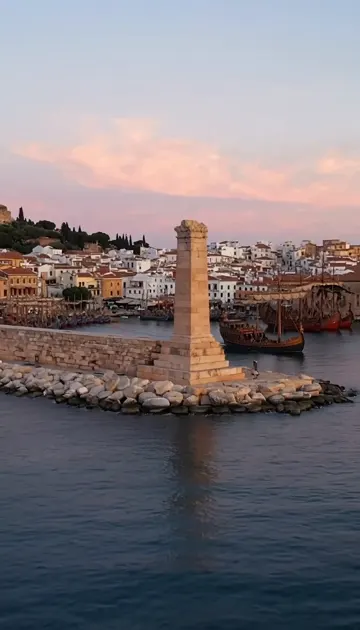


The javelin was redesigned because throws got too long
By 1984 javelins were landing near the far end of stadiums, so the centre of gravity was moved forward to shorten flights.

The first Everest summit came in 1953
Edmund Hillary and Tenzing Norgay reached the top on 29 May 1953. They stayed about 15 minutes — the air up there holds a third of the oxygen at sea level.


Every time you recall a memory you rewrite it
Memories are not recordings. Recalling one makes it temporarily unstable, and it is re-stored with whatever mood and context you are in now. Your most-told story is your least accurate one.
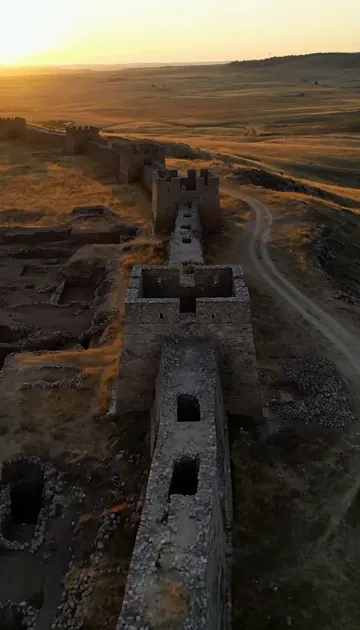
Troy turned out to be a real city
For centuries the Trojan War was considered pure legend, until excavations in the 1870s in northwest Turkey uncovered a layered city at Hisarlik matching Homer's descriptions.

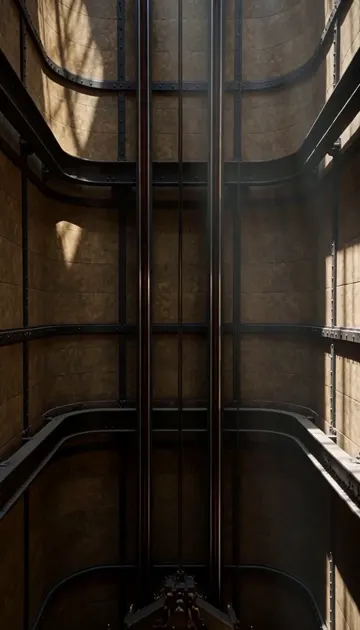
The safety brake, not the elevator, built skyscrapers
Lifts existed for centuries, but nobody trusted them. Elisha Otis's 1853 safety brake stopped a cut cable from dropping the car, and cities began growing upward.

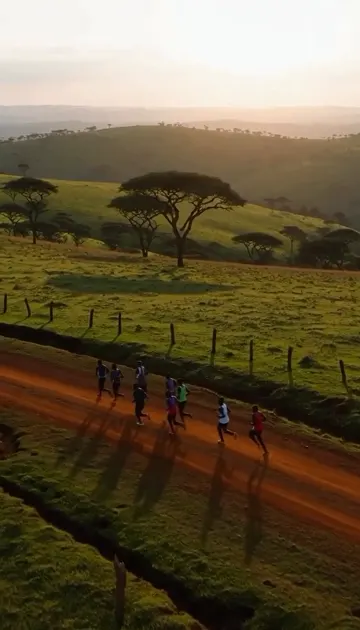
Kenya's runners come mostly from one region
A large share of the country's distance champions grow up in the Rift Valley highlands around Iten, training at 2,400 metres where thin air builds extraordinary endurance.
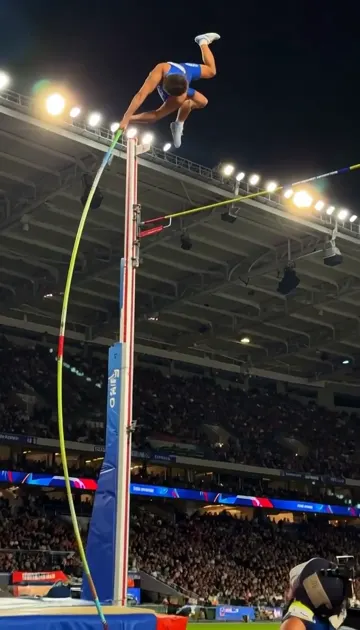
Fibreglass poles added almost a metre to pole vault records
Bamboo and steel poles barely bent. Flexible poles store the run-up's energy and catapult the vaulter skyward.
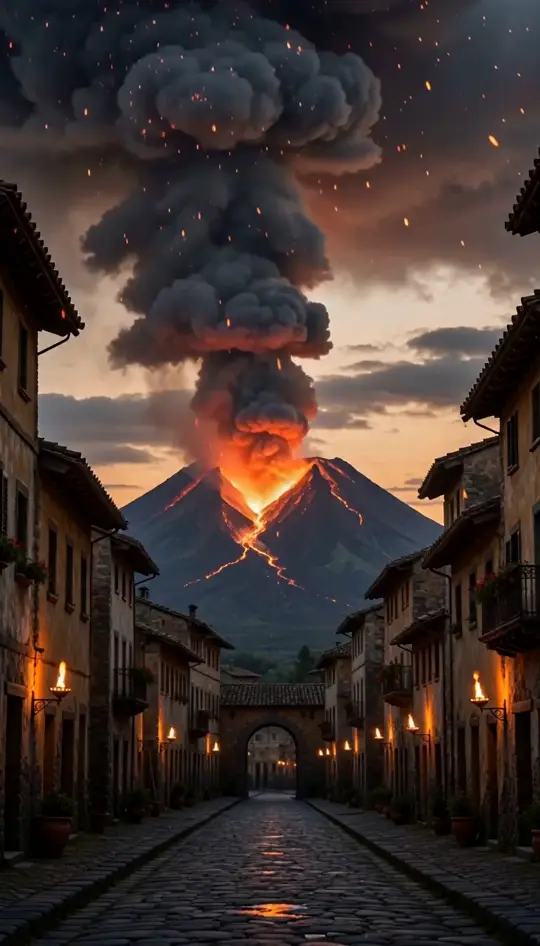
Pompeii was buried in a single day
When Vesuvius erupted in AD 79 it threw a 30 km column of ash into the sky, then collapsed into scorching surges that buried the city under metres of pumice within about 18 hours.
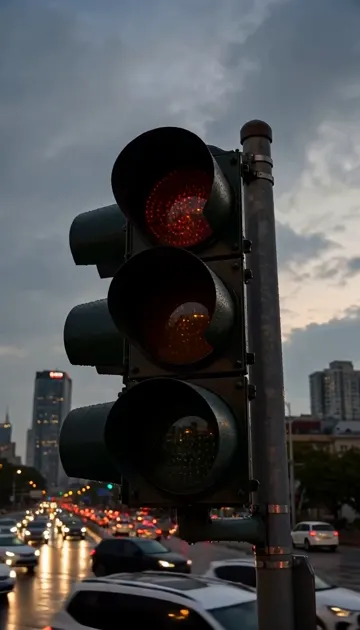
Traffic lights existed before cars did
London installed a gas-lit signal for horse traffic in 1868. It exploded weeks later, injuring the policeman operating it.
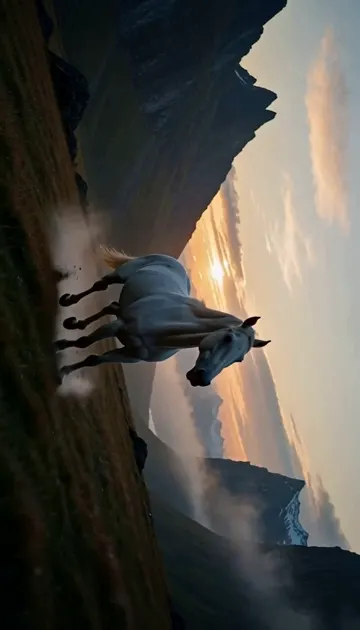
Loki once became a horse and gave birth
To sabotage a builder's bargain, Loki transformed into a mare to lure away the giant's stallion. He later returned with Sleipnir, the eight-legged horse that became Odin's mount.

Japan's sun goddess once hid in a cave
Insulted by her brother, Amaterasu shut herself in a cave and the world went dark. The other gods lured her out with a dance and a mirror showing her own radiance, returning light to the world.
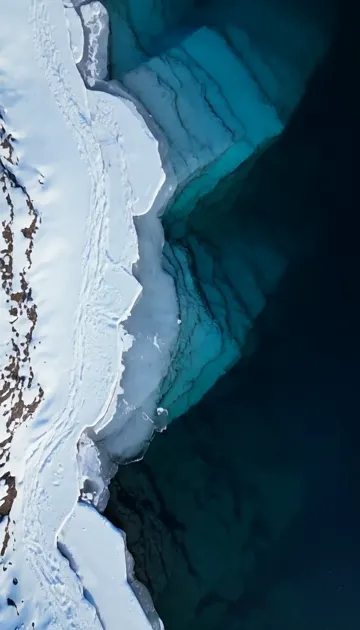
One lake holds a fifth of Earth's fresh surface water
Siberia's Lake Baikal is over 1,600 m deep and contains about 20% of all unfrozen freshwater on the planet.
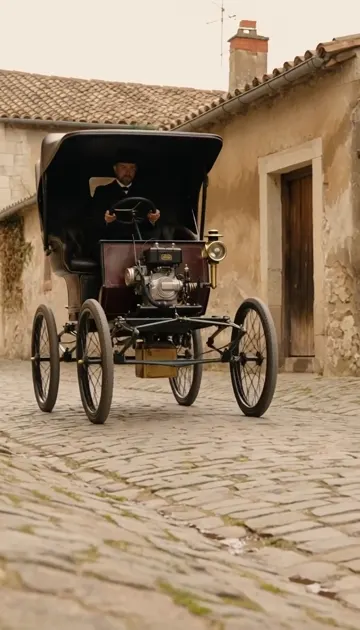
The first car had three wheels
Karl Benz patented the Motorwagen in 1886. Its single-cylinder engine made under one horsepower, and it steered on a single front wheel.

Antarctica is the largest desert on Earth
A desert is defined by rainfall, not heat. Antarctica gets so little precipitation that it beats the Sahara for the title.
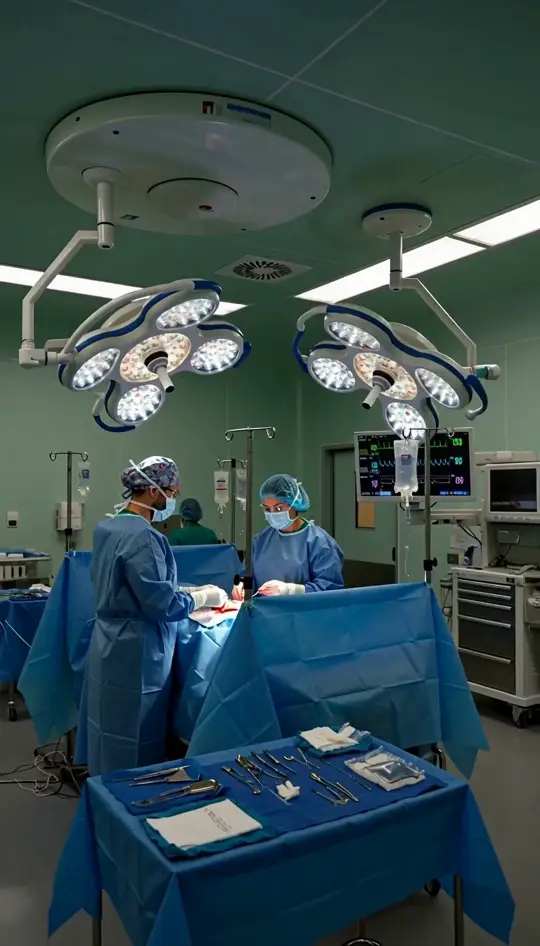
The brain cannot feel pain
Brain tissue has no pain receptors. That is why surgeons can operate on an awake patient, asking them to talk or play guitar to make sure nothing vital is cut.

The phoenix myth travelled across three cultures
Egyptian, Greek and Roman writers all describe a bird that burns and is reborn from its ashes, usually on a cycle of about 500 years, making it one of the ancient world's most widely shared symbols.
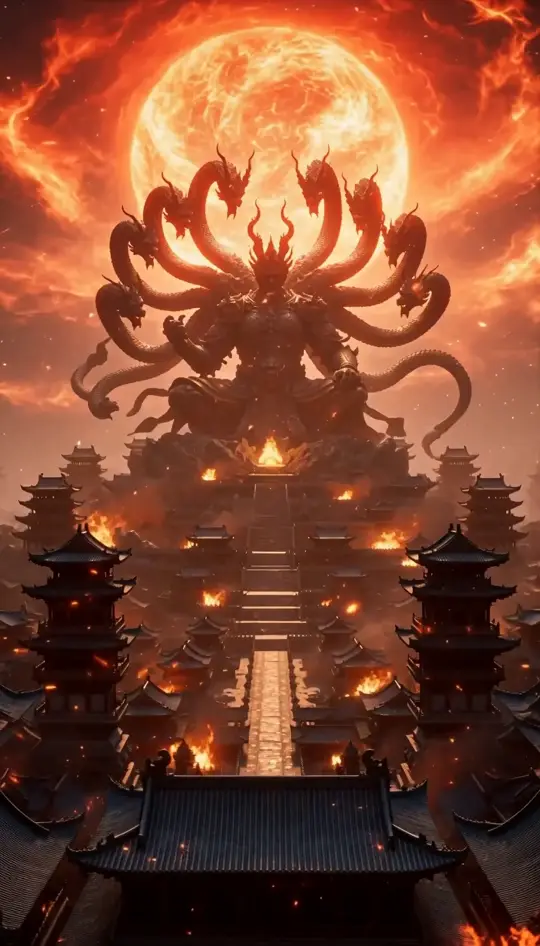
Ravana was a scholar, not just a villain
The ten-headed king of Lanka was a master of the Vedas, an astrologer and a virtuoso of the veena. His ten heads are often read as the six shastras and four Vedas he had mastered.
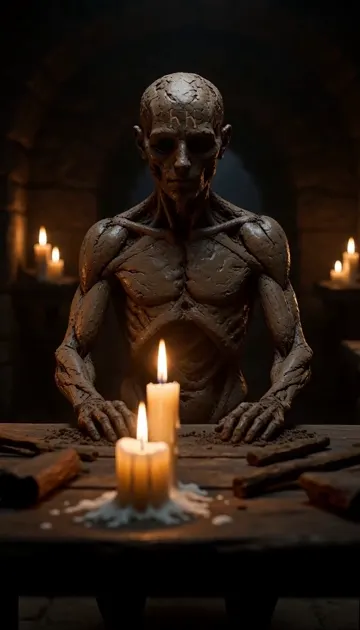
The golem was animated by a written word
In Jewish legend, a rabbi of Prague shaped a man from river clay and brought him to life with a holy name. Erasing one letter from the word emet, truth, left met, death, and the golem crumbled.
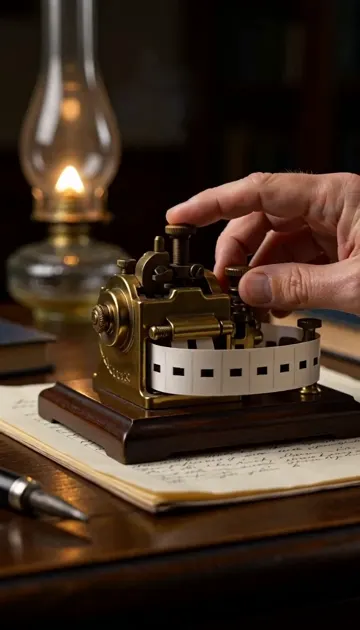
The telegraph shrank a message from weeks to minutes
Before 1844 news crossed continents at the speed of a horse or ship. Morse's telegraph made distance almost irrelevant for information.
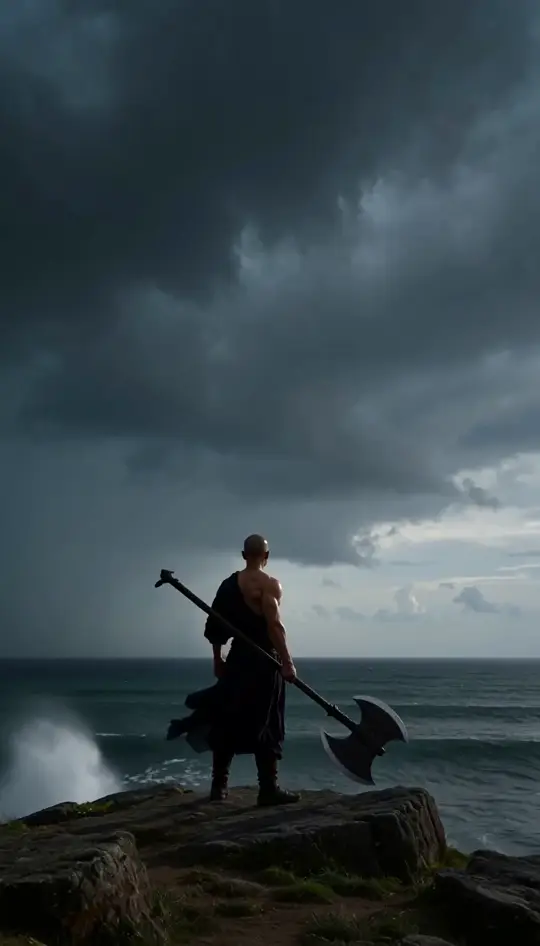
Parashurama made the sea retreat
The axe-wielding sage is said to have flung his weapon into the Arabian Sea, and the waters drew back to create the coastal strip of Konkan and Kerala — land raised from the ocean floor.


Brazil holds 60 percent of the Amazon rainforest
The forest produces a huge share of the planet's biodiversity and pumps moisture inland through flying rivers, airborne water flows larger than the Amazon river itself.
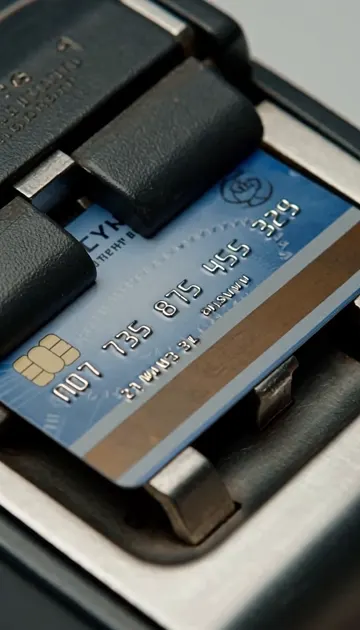
The credit card was invented after a forgotten wallet
Frank McNamara left his wallet at a New York dinner in 1949 and returned with the Diners Club card, the first multi-merchant charge card.
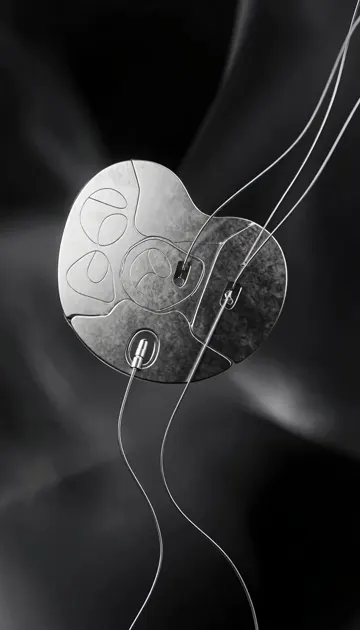
The wearable pacemaker was invented after a blackout
When a power cut killed a hospitalised child on a plug-in pacemaker in 1957, Earl Bakken built a battery-powered wearable version in four weeks.
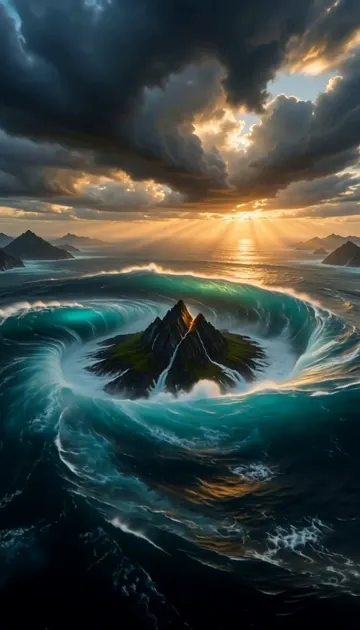
Gods and demons churned an ocean of milk
In the Samudra Manthan, devas and asuras used a mountain as a churning rod and a serpent as the rope to stir the cosmic ocean, releasing poison, treasures and finally the nectar of immortality.
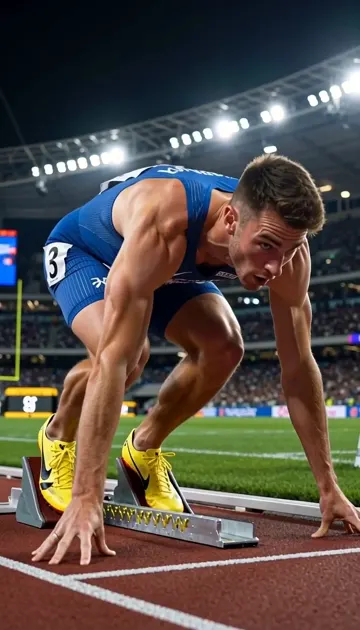
The fastest human ever hit 44.72 km/h
Usain Bolt reached that speed between 60 and 80 metres of his 9.58-second world record. No human has been timed faster on foot.

The QR code was invented to track car parts
Denso Wave created it in 1994 for Toyota production lines, needing a code readable from any angle and still scannable when partly damaged.

The 900 took thirteen years to land
Tony Hawk finally landed two and a half airborne rotations in 1999 after failing all evening. The contest had already ended.

India has the world's largest postal network
More than 150,000 post offices serve the country, including a floating post office on Dal Lake in Srinagar and one of the world's highest at Hikkim in Himachal Pradesh.

The zipper took 30 years to catch on
Patented in the 1890s and refined in 1913, the zipper only became common after the 1930s, when it was marketed on children's clothes as a way to teach self-reliance.

Petra was carved down into the rock, not built up
Nabataean masons started at the cliff top and worked downward, cutting entire facades out of solid rose-red sandstone.
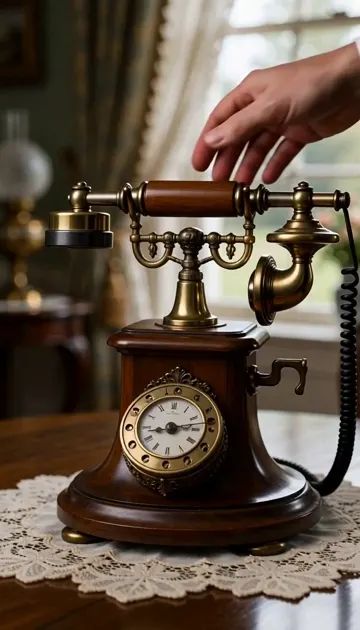
The telephone patent was filed hours before a rival's
Alexander Graham Bell filed his telephone patent on 14 February 1876, only hours before Elisha Gray filed a caveat for a very similar device. Those few hours shaped the entire telecom industry.

A wolf was bound with impossible things
The gods could not hold Fenrir with iron, so dwarves wove the ribbon Gleipnir from the sound of a cat's footfall, a woman's beard, a mountain's roots, a bear's sinews, a fish's breath and a bird's spit.
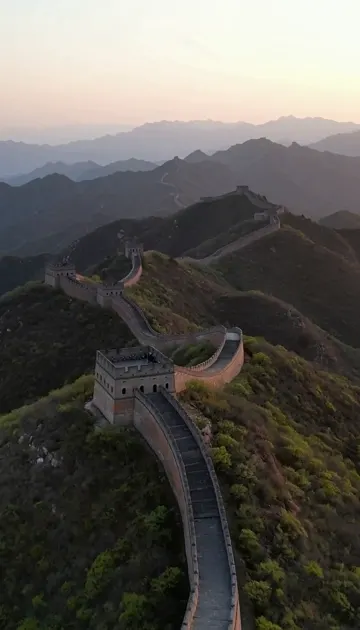
The Great Wall is more than 21,000 kilometres long
A 2012 survey counted all branches and eras of construction at 21,196 km. It is not one continuous wall but many walls built by different dynasties over 2,000 years.
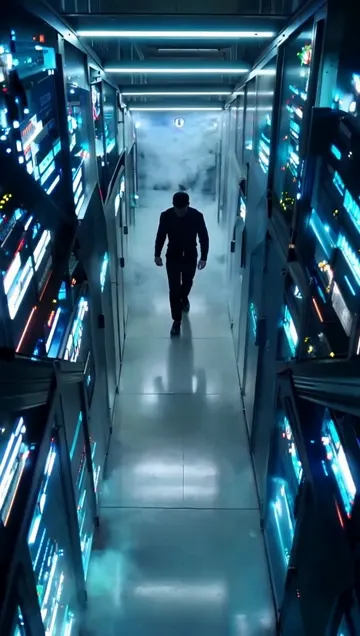
Data centres spend enormous energy just staying cool
Cooling can account for a large share of a facility's power, which is why operators build them in cold climates, underwater, or run them warmer on purpose.


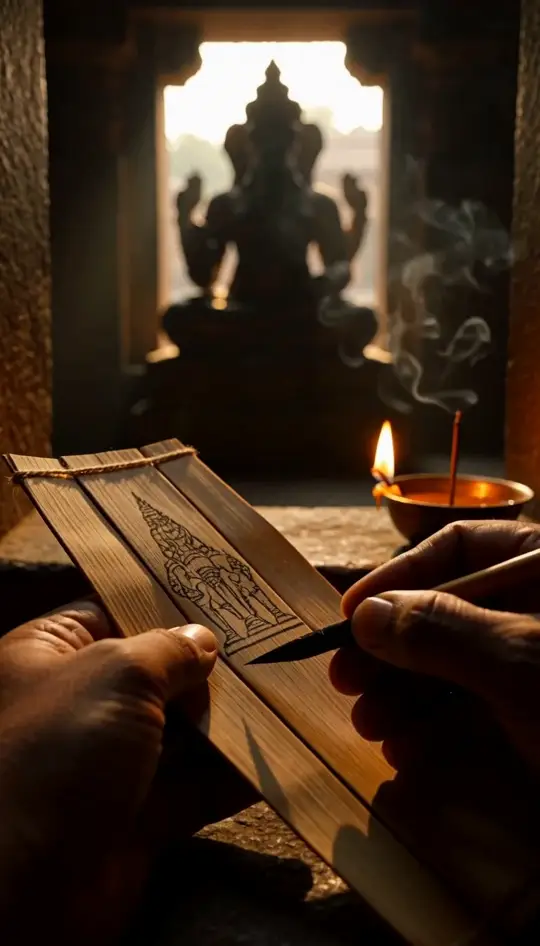
Ganesha wrote with his own tusk
When Vyasa dictated the Mahabharata, Ganesha agreed to scribe it only if the telling never paused. Mid-epic his pen broke, so he snapped off his own tusk and kept writing.
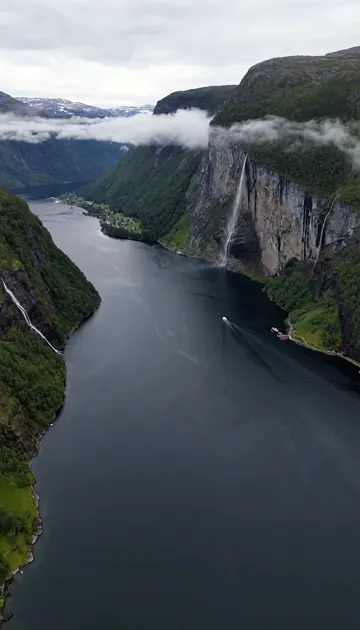
Norway's coastline is longer than the equator
Counting fjords and islands, the coast runs over 100,000 kilometres. Glaciers carved the fjords, some over 1,300 metres deep with cliffs rising straight from the water.
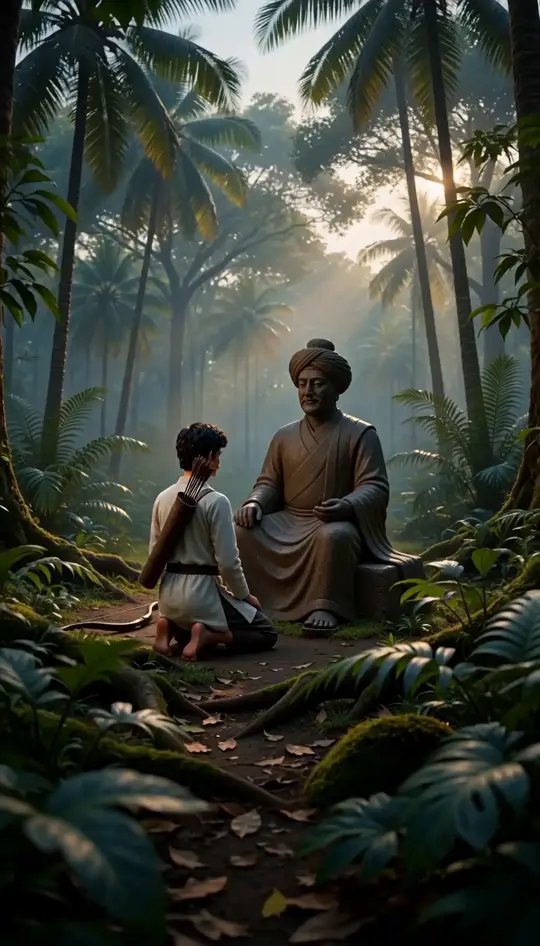
Eklavya taught himself with a clay teacher
Refused as a student, the tribal boy built a statue of Drona and practised before it until he outshot the princes. Drona then asked for his right thumb as fee — and Eklavya cut it off.
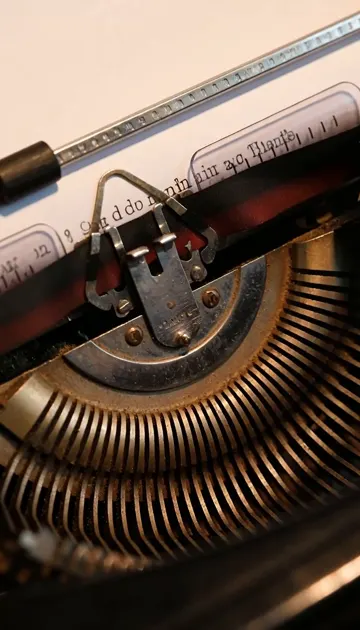
QWERTY was designed around mechanical jams
Keys were spread out so common letter pairs would not clash on early typewriters. The layout outlived the machines it was made for.
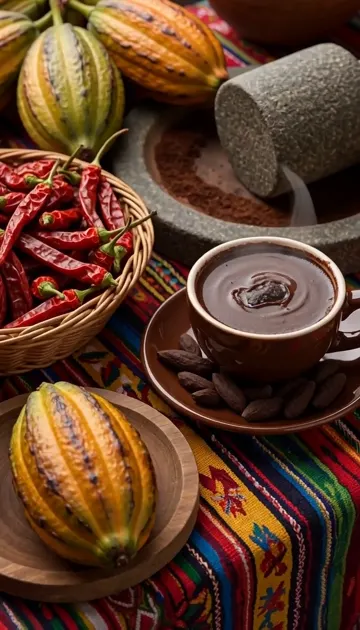
Mexico gave the world chocolate and chilli
Cacao was first cultivated in Mesoamerica and drunk bitter and spiced. Mexico also domesticated chillies, maize, tomatoes, vanilla and avocado, reshaping cuisines everywhere.
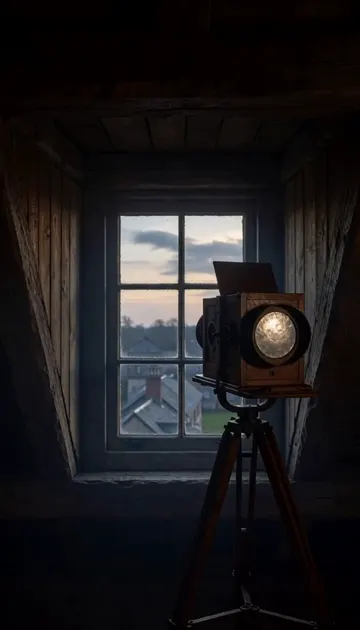
The first photograph took hours to shoot
Nicéphore Niépce made the oldest surviving photograph around 1826 in France. The pewter plate needed an exposure of many hours, so the sun lit both sides of the courtyard.
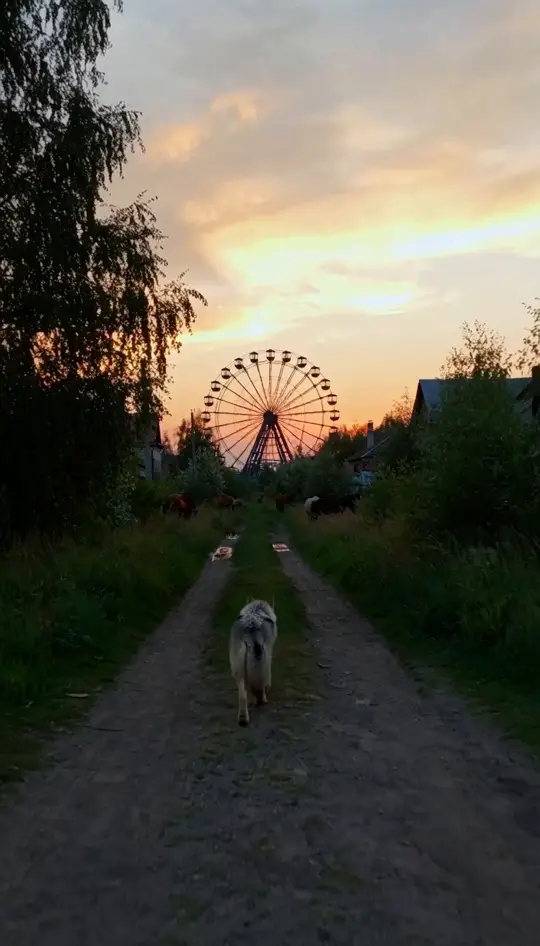
The exclusion zone became a wildlife sanctuary
With humans gone, the 2,600 km² zone filled with wolves, lynx, bison and wild horses. Radiation still lingers, but for most species the absence of people has been the bigger factor.
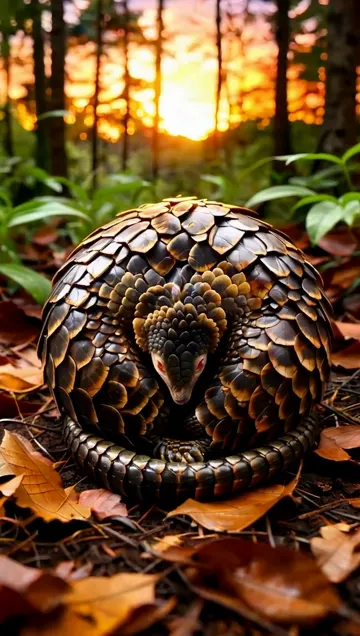

Bakelite was the first fully synthetic plastic
Created in 1907, it contained no molecules found in nature. It resisted heat and electricity, and it launched the age of plastics.
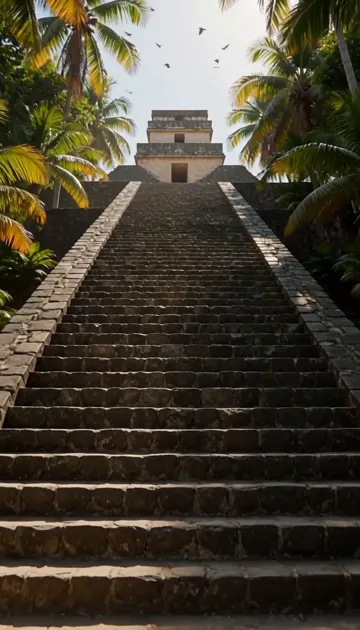
Clap at Chichen Itza and a bird answers
A handclap at the base of El Castillo returns a chirping echo that closely matches the call of the quetzal, a sacred Maya bird. Acousticians say the staircase geometry creates it.
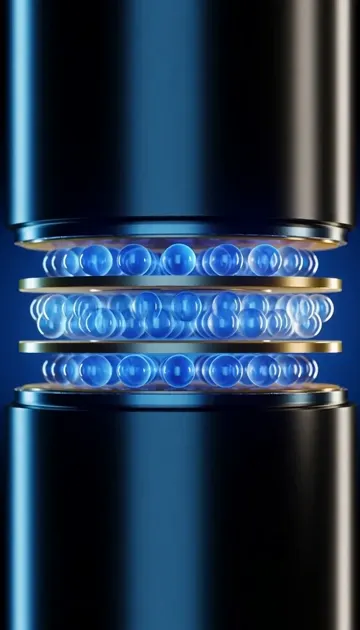
Your battery works by shuttling lithium ions
Charging pushes ions into the graphite anode, using them pushes them back. Each cycle degrades the structure slightly — which is why batteries age.

Quantum computers run colder than deep space
Superconducting qubits operate near 10 millikelvin — colder than the cosmic background — because the faintest heat destroys their fragile quantum states.
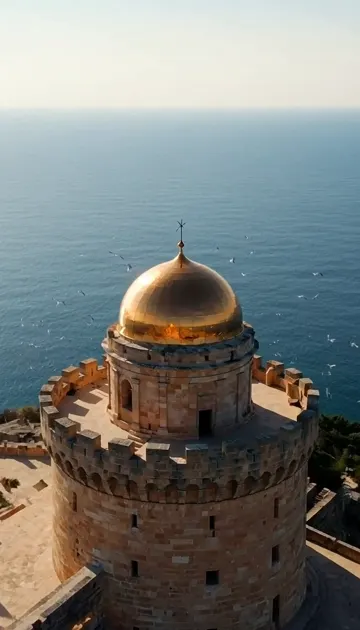
A mirror on the Pharos could be seen 50 km away
Accounts say a polished bronze mirror at the lighthouse's summit reflected sunlight by day and firelight by night, visible far out to sea by approaching ships.
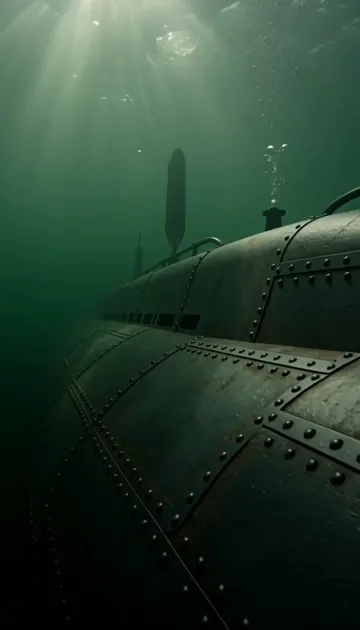
A submarine attacked a warship in 1776
The Turtle, a one-man wooden sub cranked by hand, tried to attach a bomb to a British ship in New York Harbour during the American Revolution.

Some Atacama weather stations have never recorded rain
Parts of Chile's Atacama are the driest non-polar place on Earth, with soils so dry they are used to test Mars rovers.
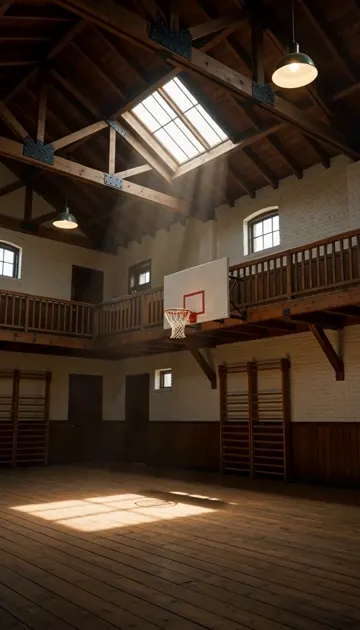
Basketball was invented with two peach baskets
James Naismith nailed fruit baskets to a gym balcony in 1891 to keep students active indoors. Someone had to fetch the ball out after every score.
Roman concrete gets stronger in seawater
Seawater reacts with volcanic ash in the mix to grow interlocking crystals, which is why 2,000-year-old Roman harbours still stand while modern concrete crumbles.

Norse myth predicted the end and the restart
Ragnarok destroys the gods, the sun and the earth in fire and flood. But the myth does not stop there: the world rises green again from the sea and two humans emerge from a wood to begin it all over.
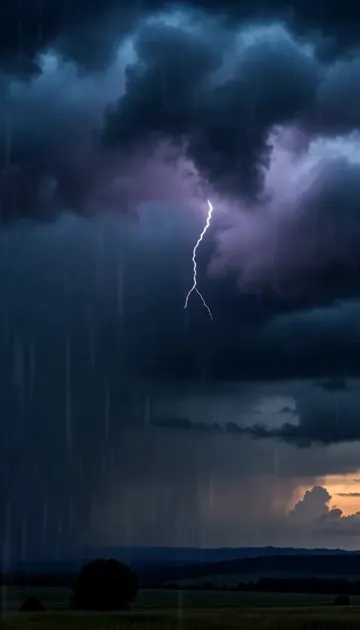
Lightning is five times hotter than the Sun
A bolt of lightning heats the air around it to about 30,000°C — roughly five times hotter than the surface of the Sun. That sudden heat is what makes the thunderclap.


The Rainbow Serpent carved Australia's rivers
In many Aboriginal traditions, the Rainbow Serpent moved across the land during the Dreaming, its body gouging out riverbeds and waterholes and bringing the wet season rains.

Chinese dragons control water, not fire
Unlike European fire-breathing dragons, the Chinese long is a benevolent water spirit ruling rivers, rain and the sea. Emperors claimed descent from dragons and farmers prayed to them for rain.

Gymnastics skills are named after whoever lands them first
Do a brand new element at a world championship and the code of points carries your surname forever.
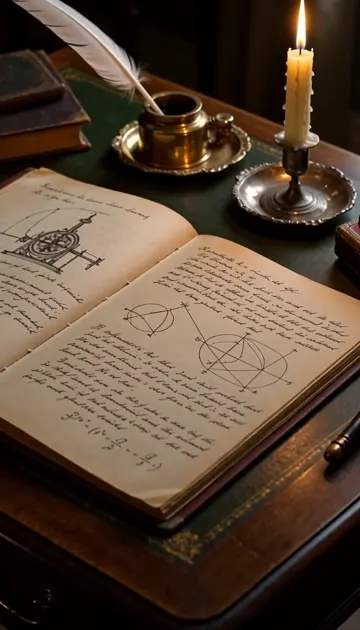
The first computer programmer worked in the 1840s
Ada Lovelace wrote an algorithm for Charles Babbage's unbuilt Analytical Engine in 1843, and predicted machines could one day compose music.

The ocean is deeper than Everest is tall
Challenger Deep plunges about 10,935 metres. Drop Everest into it and more than two kilometres of water would still cover the summit.
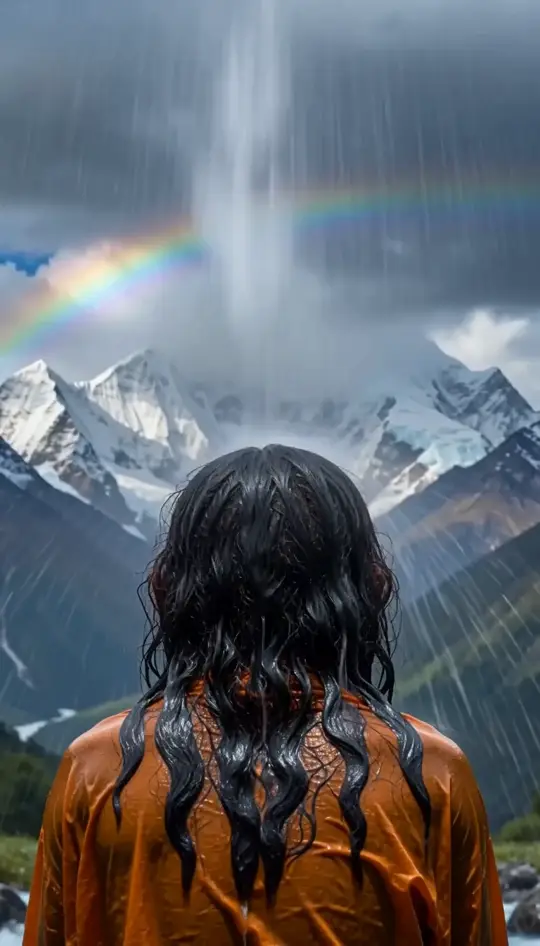
The Ganga fell into Shiva's hair
The river's descent from heaven would have shattered the earth, so Shiva caught her in his matted locks and released her gently — which is why the Ganga is said to flow from his head.
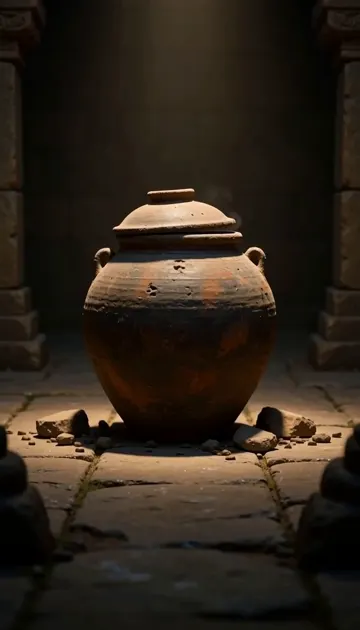
Pandora's box was actually a jar
The Greek original describes a pithos, a large storage jar. A mistranslation in the 16th century turned it into a box. When it opened, every evil escaped and only hope was left inside.
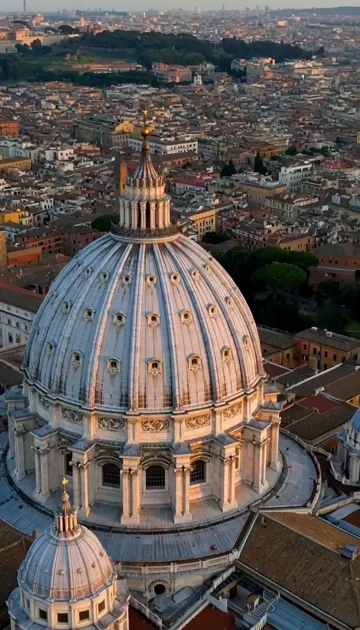
The smallest country fits inside a city
Vatican City covers just 0.49 km² — small enough to walk across in about 20 minutes.
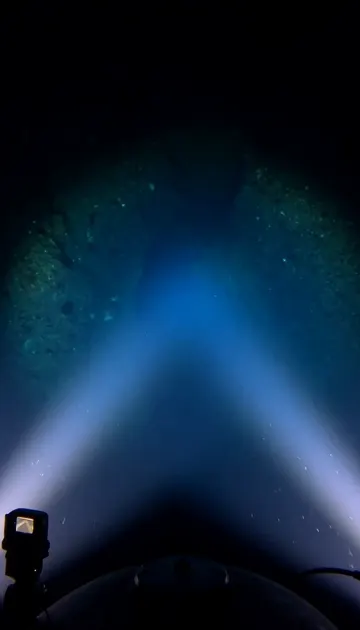
Everest would still be underwater in the Mariana Trench
The Challenger Deep reaches nearly 11 km down — over 2 km deeper than Everest is tall.
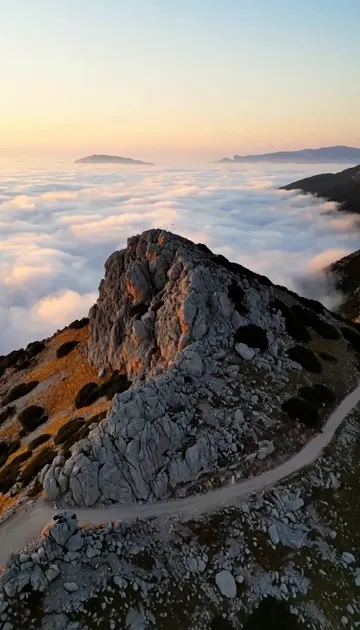
Mount Olympus is a real mountain you can climb
The home of the Greek gods is a genuine 2,917-metre massif in northern Greece. Its summit, Mytikas, was first recorded as climbed in 1913 and now draws thousands of hikers a year.

Oxford University is older than the Aztec Empire
Teaching began at Oxford around 1096. Tenochtitlan, capital of the Aztec Empire, was founded in 1325 — over two centuries later.
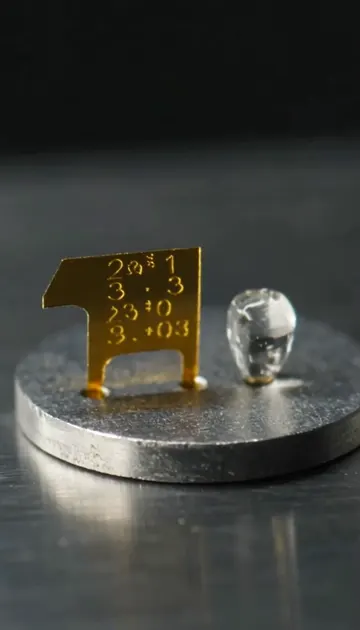
The transistor is the most manufactured object ever
Invented at Bell Labs in 1947, transistors now number in the sextillions. More are produced each second than all the grains of rice eaten worldwide in a year.
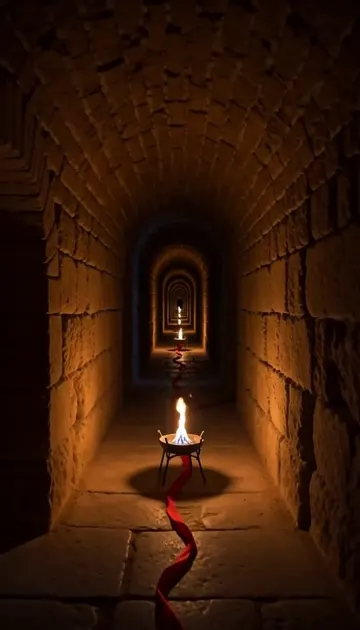
The labyrinth was designed to be inescapable
Daedalus built the Cretan labyrinth so cunningly that he barely escaped it himself. Theseus survived only because Ariadne gave him a thread to unwind as he walked into the dark.

South Korea pioneered the fastest internet
Aggressive fibre rollout gave the country years of world-leading average speeds and a gaming culture strong enough to make esports a televised national sport.
Ethiopia runs on its own calendar and clock
The Ethiopian calendar has 13 months and lags the Gregorian by about seven years. The day is counted from dawn, so 7am local sunrise is called one o'clock.

Braille was adapted from a military night code
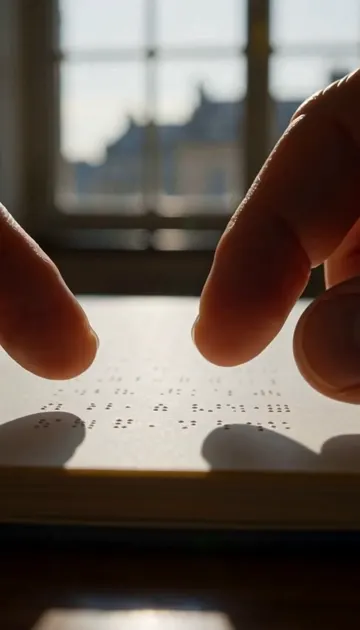
Napoleon's army used raised-dot night writing so soldiers could read in the dark. Fifteen-year-old Louis Braille simplified it into the system used today.
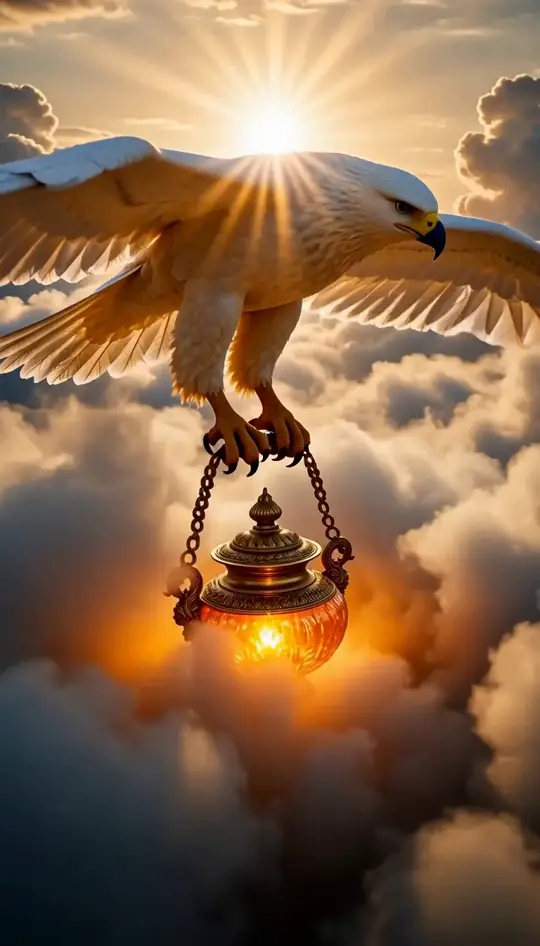
Garuda stole immortality and gave it up
To free his enslaved mother, Garuda flew to the heavens and seized the pot of amrita from the gods — then handed it back without drinking a drop, earning Vishnu's friendship instead.


You carry roughly as many bacterial cells as human ones
Current estimates put the ratio near one to one — tens of trillions of microbes, mostly in your gut, helping digest food and train your immune system.
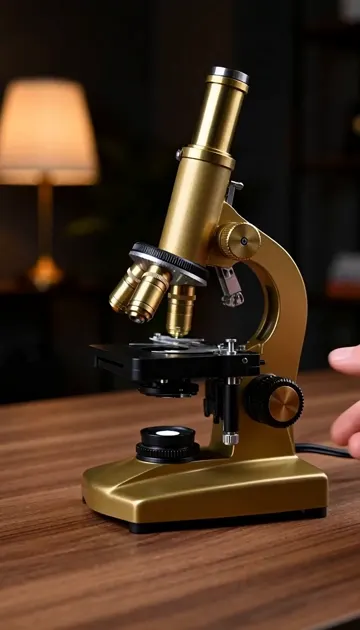
A cloth merchant discovered the microbial world
Antonie van Leeuwenhoek ground his own tiny lenses to inspect fabric, then pointed them at pond water in the 1670s and became the first human to see bacteria, which he called animalcules.
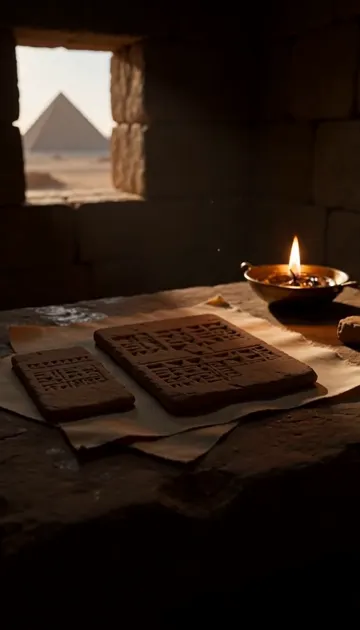
The oldest surviving epic is 4,000 years old
The Epic of Gilgamesh, written on clay tablets in Mesopotamia, tells of a king searching for immortality. It includes a great flood story recorded centuries before the biblical version.

Pasteurisation was invented to save wine
Louis Pasteur was asked to stop French wine spoiling. Gently heating it killed the microbes, and the same trick later made milk safe worldwide.
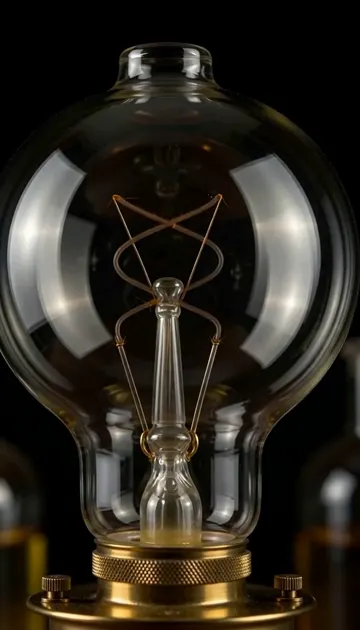
Edison tested over 6,000 materials for one filament
The bulb wasn't a single flash of genius. Edison's team tried thousands of substances, including bamboo, before finding a carbon filament that glowed for more than 1,200 hours.
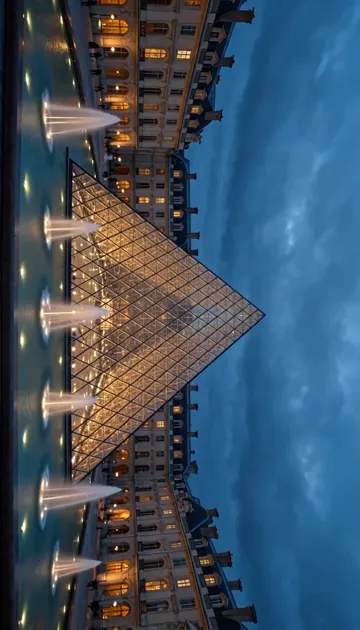
France runs the world's most visited museum
The Louvre attracts millions each year to a former royal palace holding some 35,000 works on display, including the Mona Lisa behind bulletproof glass.
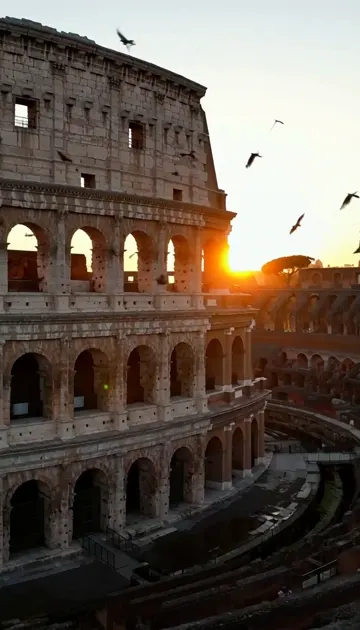
The Colosseum could empty in minutes
Eighty numbered entrance arches and a system of stairways let up to 50,000 spectators leave quickly, a crowd-flow design modern stadiums still study.
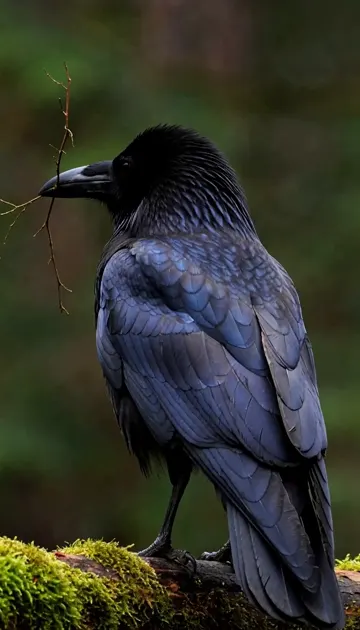
Crows make tools and hold grudges
New Caledonian crows bend wire into hooks to fish grubs out of logs, and crows can remember a human face that threatened them for years, teaching that face to their flock.

Volvo gave the three-point seatbelt away for free
Nils Bohlin's 1959 design was patented, then released to every carmaker at no cost because Volvo judged it too important to keep. It has saved over a million lives.
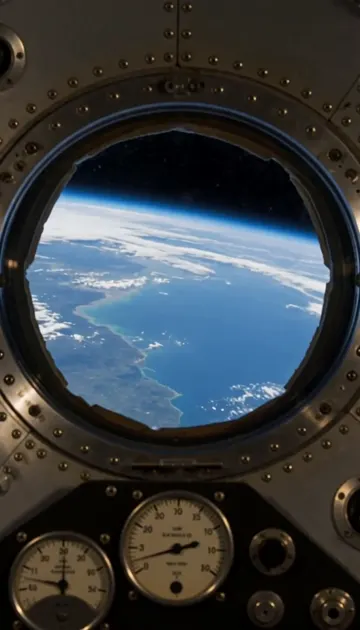
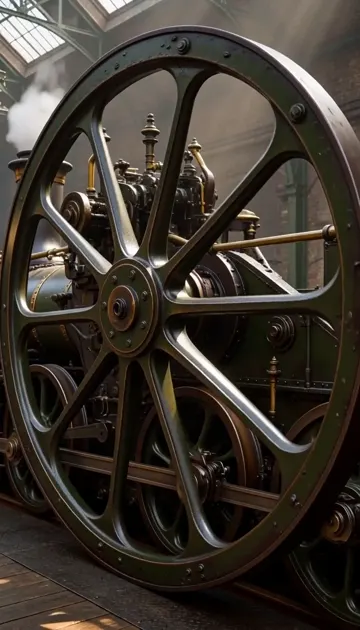
A separate condenser doubled the steam age
Newcomen's engine wasted heat reheating its cylinder every stroke. James Watt's separate condenser cut fuel use by about 75 percent and made steam power practical everywhere.
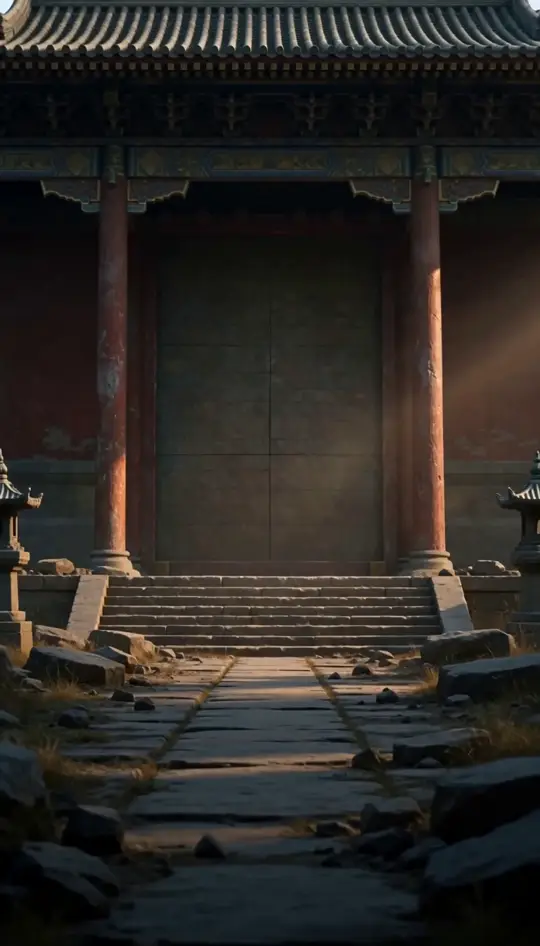
Narasimha was a loophole in a boon
Hiranyakashipu could not be killed by man or beast, indoors or out, by day or night. So Vishnu came as a lion-man, at dusk, on a threshold, and laid him across his lap.

Orpheus lost Eurydice with one glance
His music persuaded Hades to release his wife on one condition: he must not look back until both reached the surface. Steps from daylight he turned, and she was pulled back forever.
Just seeing something often makes you like it
The mere-exposure effect: repeated exposure to a face, song or logo raises liking, even when people cannot remember seeing it. Familiarity feels like preference.
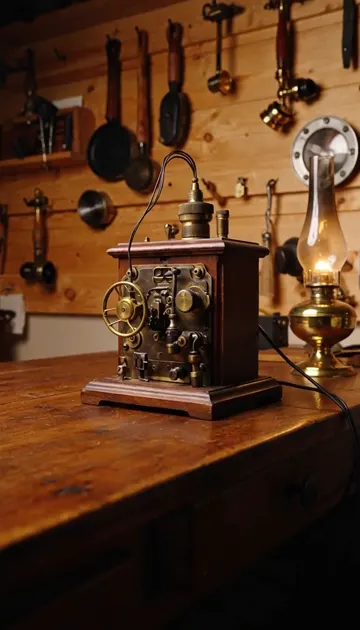
The first phone call was a request for help
In March 1876 Alexander Graham Bell spoke the first words down a telephone to his assistant in the next room: "Mr. Watson, come here, I want to see you."
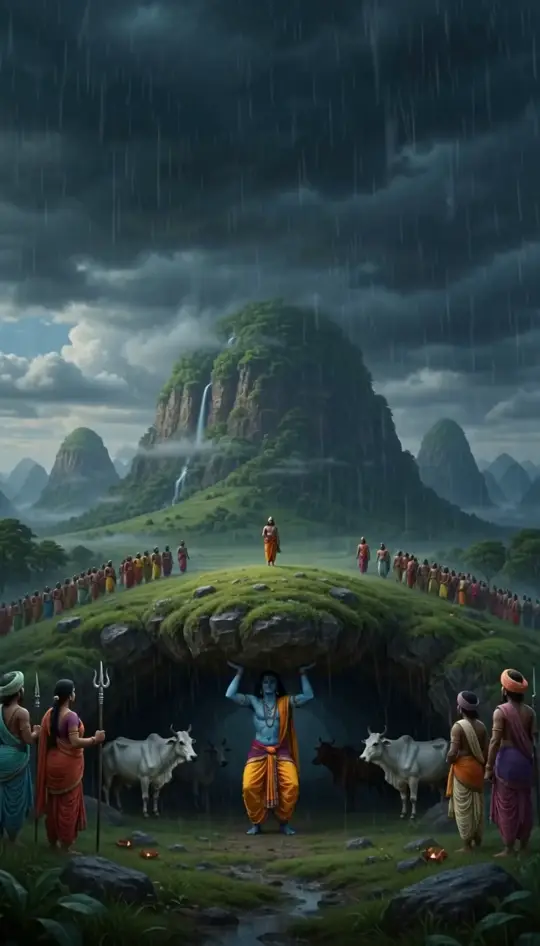
Krishna held up a mountain for seven days
When Indra flooded Vrindavan in rage, the young Krishna lifted Govardhan hill on his little finger and sheltered the entire village and its cattle beneath it until the storm broke.
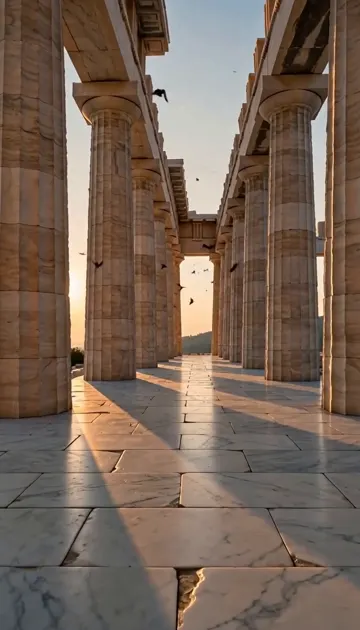

Glass is not a slow-flowing liquid
Old cathedral windows are thicker at the bottom because of how they were made, not because glass flows. At room temperature glass is a solid.
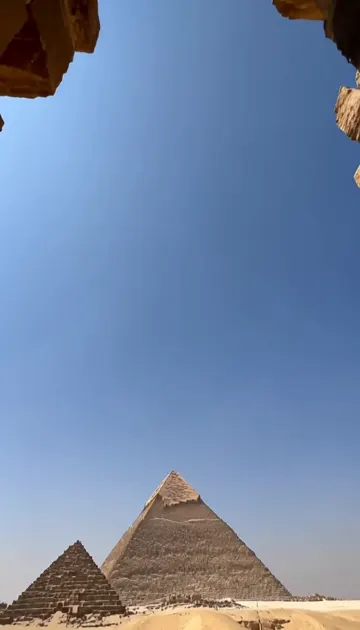
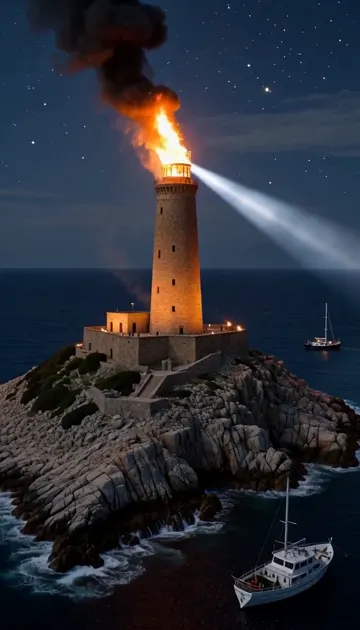
The Lighthouse of Alexandria guided ships for 1,600 years
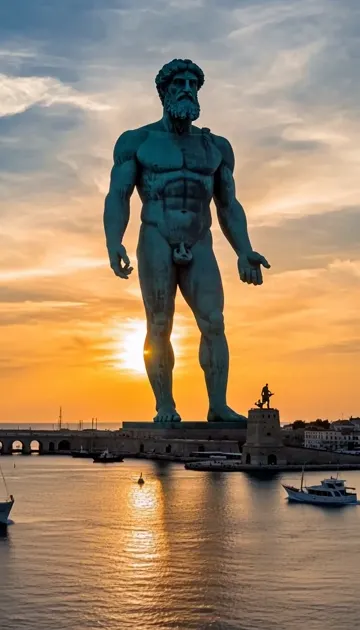
Built around 280 BC on Pharos island, it rose over 100 metres and used a mirror to project firelight far out to sea. Its name became the word for lighthouse in several languages.

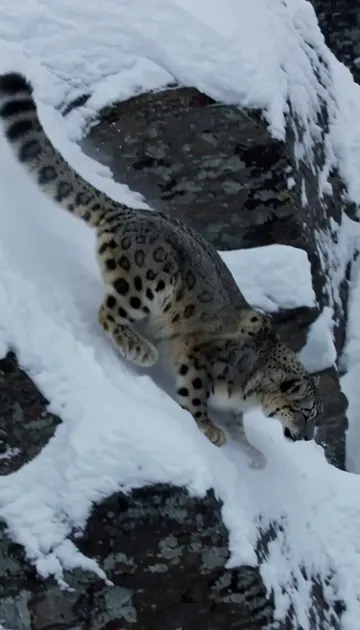
A snow leopard's tail is almost as long as its body
It works as a counterweight for leaps across cliffs, and wraps around the animal like a scarf against Himalayan cold.

Air conditioning was invented to fix smudged ink
Willis Carrier built the first modern AC in 1902 for a printing plant where humidity was misaligning colours. Cooling people was a side effect.
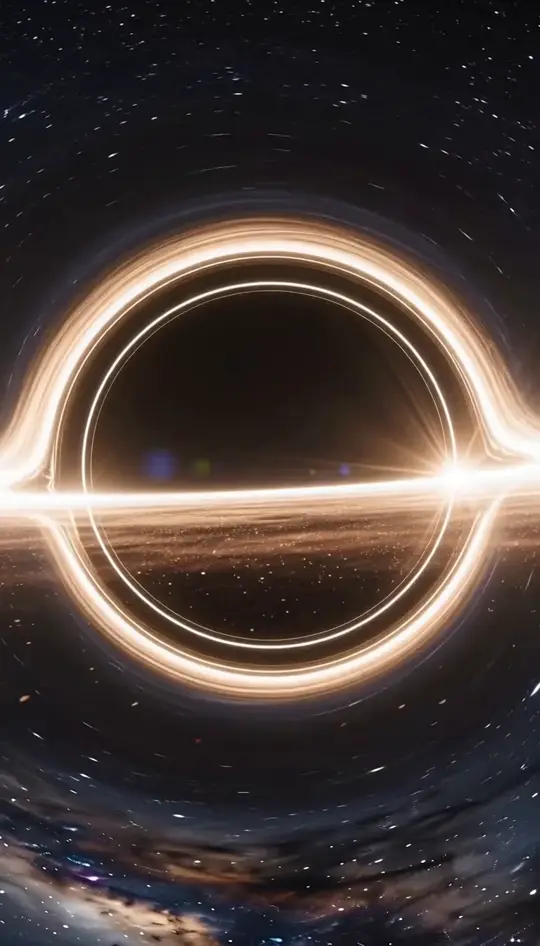
Black holes slowly evaporate
Stephen Hawking showed black holes leak faint radiation and shrink. A stellar-mass one would take about 10^67 years to vanish — far longer than the universe has existed.
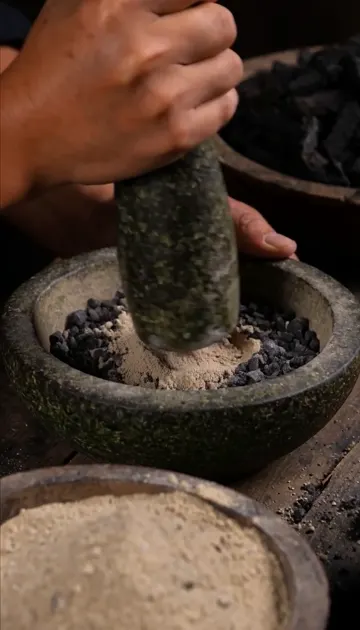
Gunpowder was invented while hunting for immortality
Chinese alchemists mixing saltpetre, sulphur and charcoal were trying to brew an elixir of eternal life. They got explosives instead.
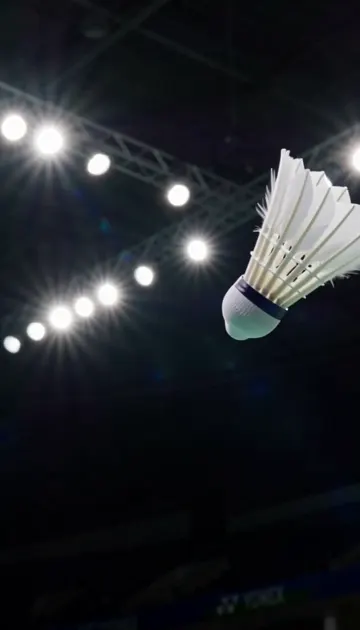
Badminton has the fastest shot in any sport
A smashed shuttlecock has been recorded past 490 km/h off the racket, faster than any struck ball, though it decelerates almost instantly.
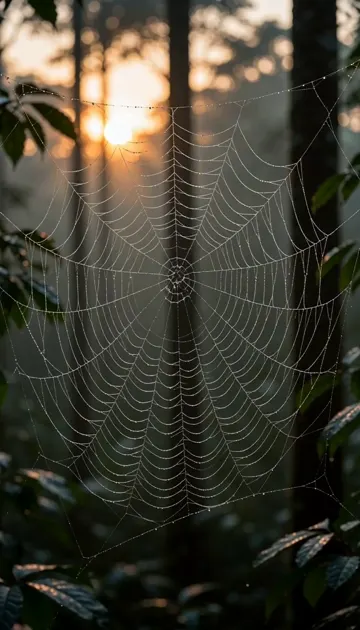
A spider owns all the stories in West African myth
Anansi bought the world's stories from the sky god Nyame by capturing a python, a leopard and a swarm of hornets. Since then, folktales across West Africa and the Caribbean are called Anansesem.
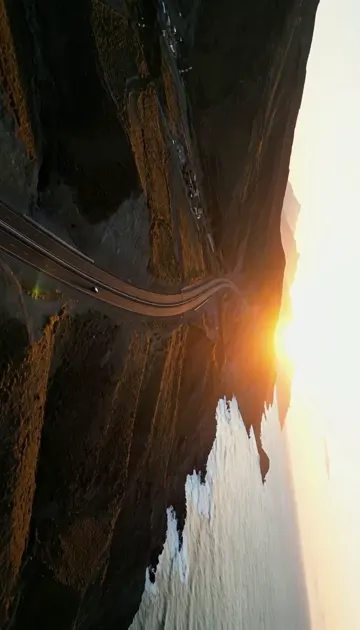
Chile is longer than the United States is wide
Chile stretches about 4,300 km north to south while averaging only around 180 km across.
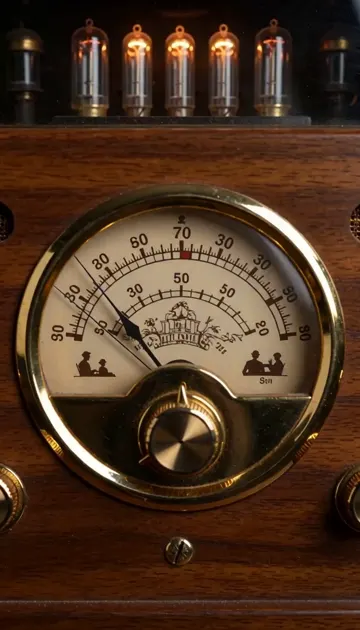
Radio's first broadcasts crossed an ocean in dots
Marconi sent the letter S across the Atlantic by wireless in 1901, a distance many physicists insisted was impossible because radio waves should travel in straight lines.
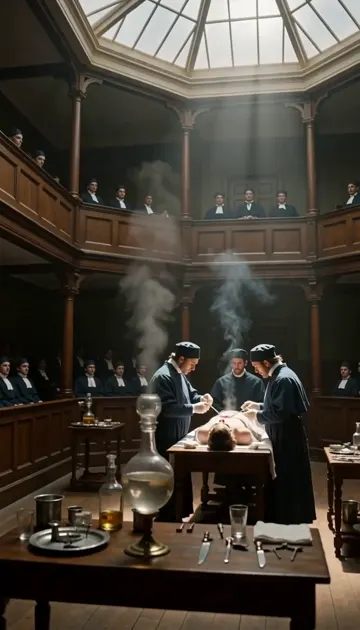
Surgery before anaesthesia was timed in seconds
Surgeons competed to amputate a leg in under a minute because patients were awake. Ether anaesthesia, demonstrated publicly in 1846, changed surgery forever.
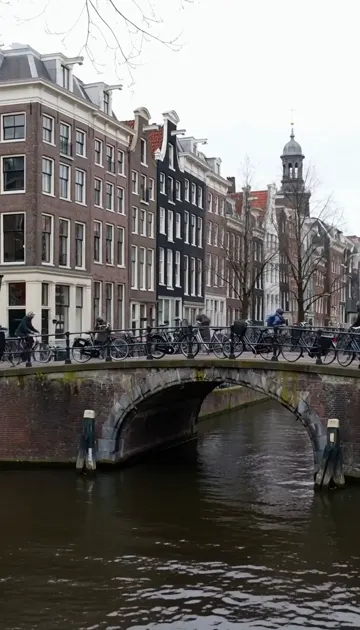
The Netherlands has more bikes than people
Around 23 million bicycles serve 18 million residents. Dedicated cycle lanes, bike parking garages and traffic lights for cyclists make riding faster than driving in many cities.


Refrigeration killed a global ice-shipping industry
In the 1800s ships carried blocks of frozen lake ice from New England to India. Mechanical refrigeration wiped out the trade within a few decades.


Canada holds more lake area than the rest of the world combined
With over two million lakes covering nearly 9 percent of its territory, Canada contains an enormous share of the planet's fresh surface water.

The Amazon makes its own rain
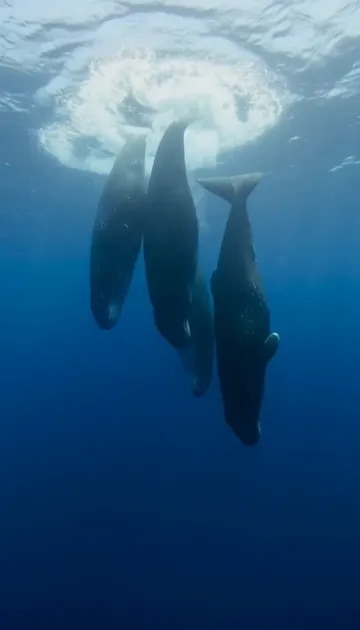
The rainforest releases around 20 billion tonnes of water vapour a day, forming "flying rivers" that water much of South America.

Your brain hears your name in a noisy room
The cocktail party effect: even while ignoring a crowd of voices, your attention system keeps scanning them and snaps to your own name. You were never really tuning it all out.


Your brain runs on about 20 watts
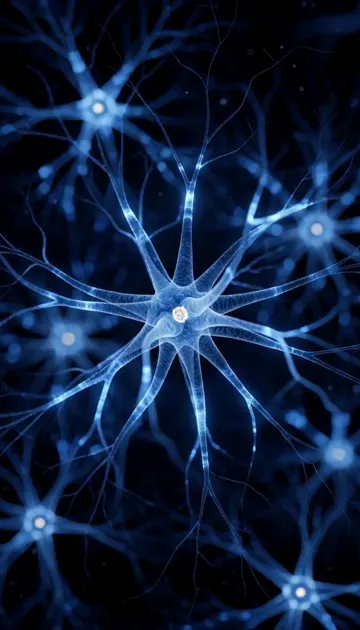
Some 86 billion neurons fire constantly, yet the whole brain uses roughly the power of a dim light bulb — while consuming a fifth of your energy.

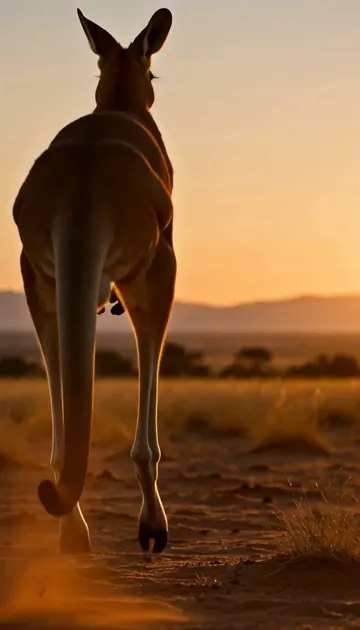
Kangaroos essentially cannot walk backwards
Their thick tail and huge hind feet make reversing impractical — one reason the kangaroo appears on Australia's coat of arms as a symbol of moving forward.
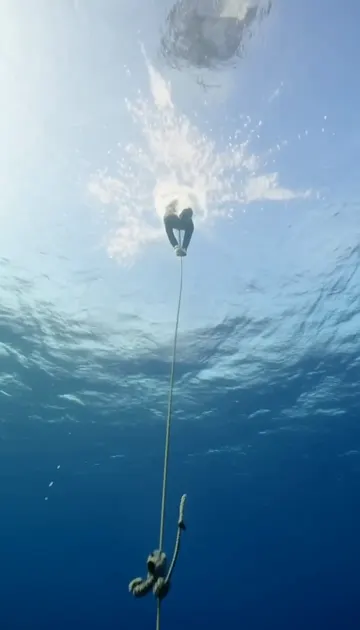
Freedivers go past 200 metres on one breath
With weighted sleds they descend where lungs compress to a fraction of their size, then ride back up on a balloon.
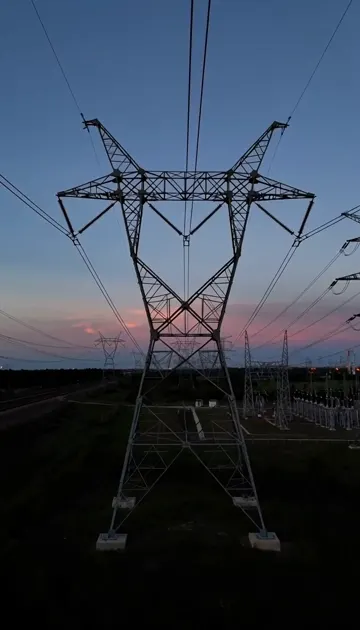
Alternating current won because it travels cheaply
AC can be stepped up to high voltage and sent hundreds of kilometres with small losses. Direct current needed a power station every few kilometres.

3D printing is nearly 40 years old
Chuck Hull patented stereolithography in 1986. Layer-by-layer printing now makes jet parts, houses and human tissue scaffolds.
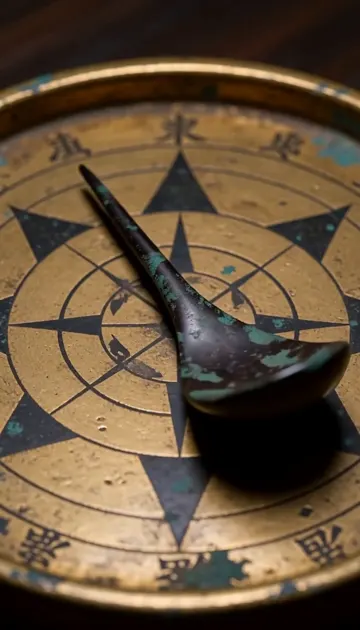
The compass began as a fortune-telling tool
Han dynasty Chinese used lodestone spoons for divination and geomancy centuries before anyone thought to steer a ship by one, around the 11th century.
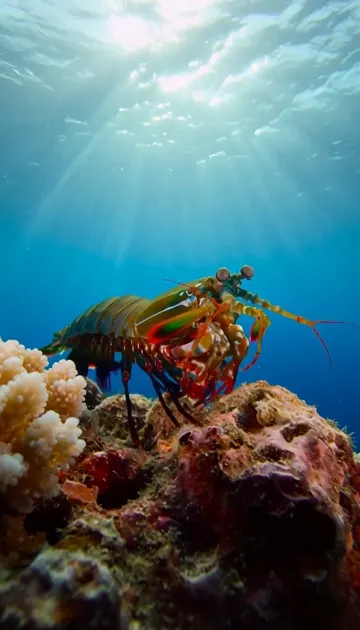
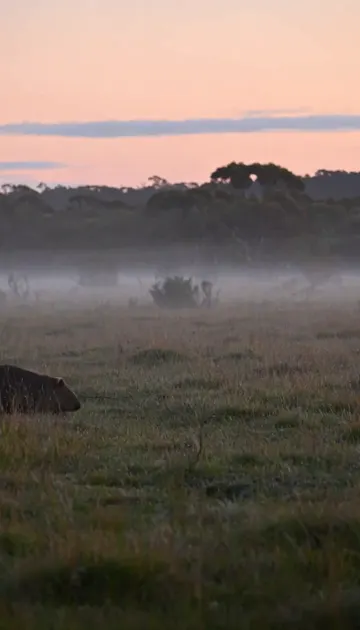
Wombats produce cube-shaped droppings
Their intestines have stretchy and stiff sections that mould waste into cubes — so it stays put on rocks and logs when marking territory.

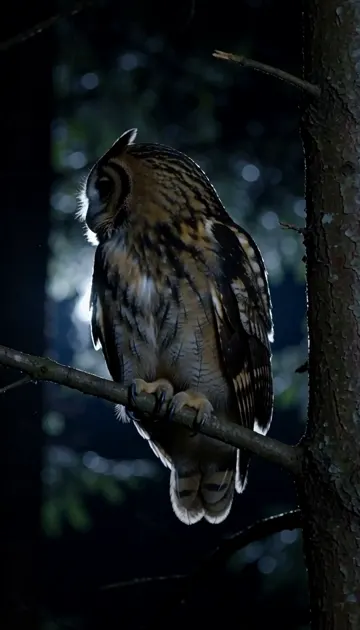
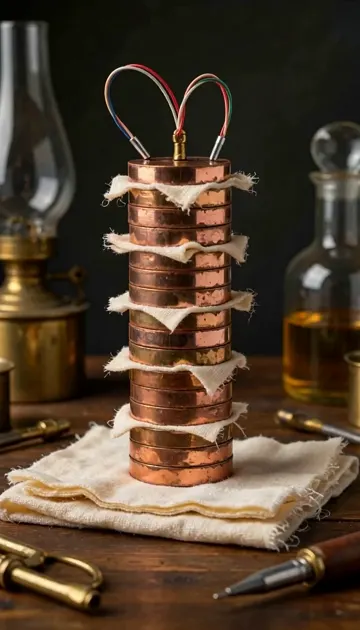
The first battery was stacks of coins and brine
Volta's 1800 pile of copper and zinc discs separated by salt-soaked cloth gave the world its first steady electric current and made electrical science possible.

A fake pill can produce real relief
In the placebo effect, expectation alone triggers measurable changes — the brain releases its own painkillers. It works even in some trials where patients are told the pill is inactive.
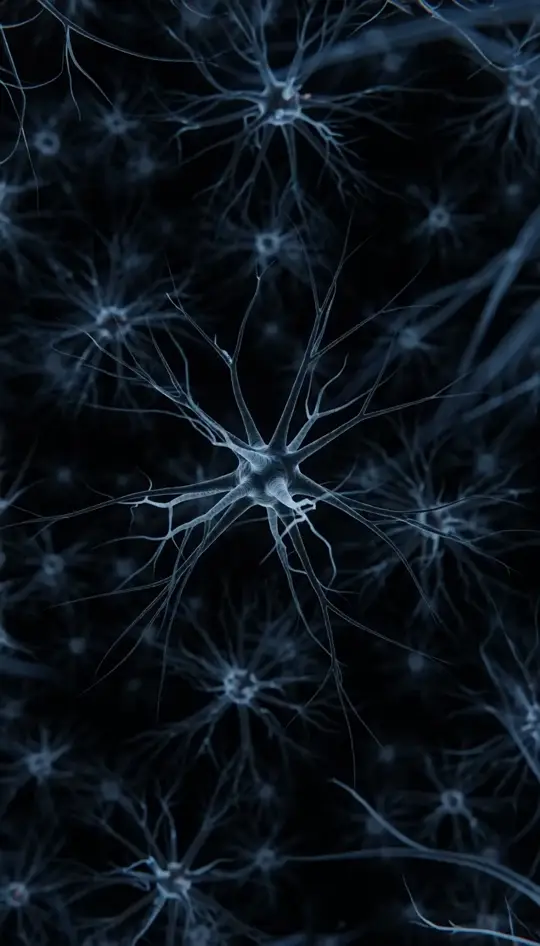
You carry about 86 billion neurons
Each one can connect to thousands of others, making roughly 100 trillion synapses — a wiring diagram no machine has yet come close to matching.

Italy has more than 350 pasta shapes
Each shape is designed for a specific sauce: ridged tubes grab thick ragu, thin strands suit oil, and shells hold chunky vegetables. Names and shapes change from region to region.

The Trans-Siberian crosses eight time zones
Running 9,289 kilometres from Moscow to Vladivostok, the world's longest railway takes about a week and passes Lake Baikal, the deepest lake on earth.

The ATM was inspired by chocolate vending machines
John Shepherd-Barron thought if a machine could dispense chocolate, it could dispense cash. The first ATM opened in London in 1967 and used radioactive-ink cheques.
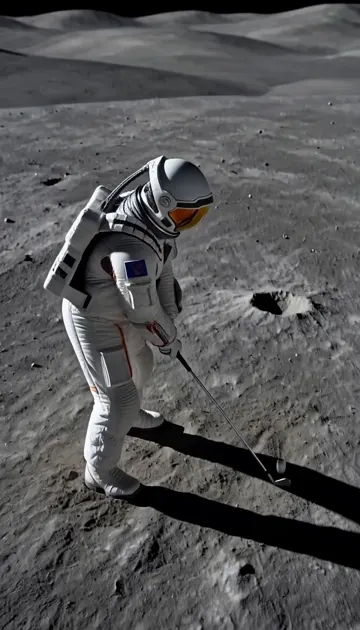
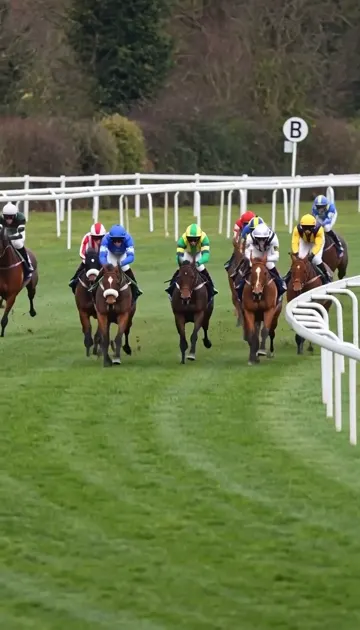
Nearly every racehorse descends from three stallions
Thoroughbred pedigrees trace back to three Arabian and Barb stallions imported to England around 1700.
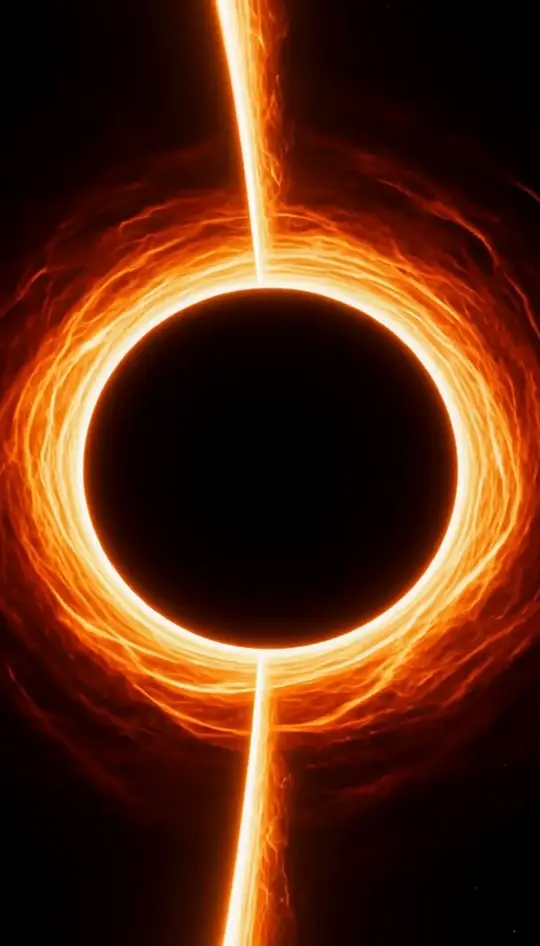
The first photo of a black hole used an Earth-sized telescope
In 2019 eight radio observatories across the planet were linked into one virtual dish the width of Earth. It imaged M87*, a black hole 55 million light years away.
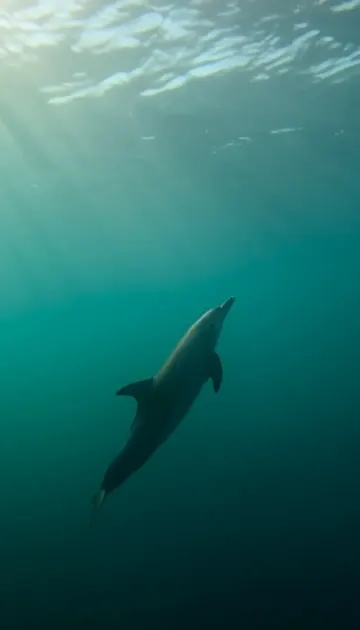
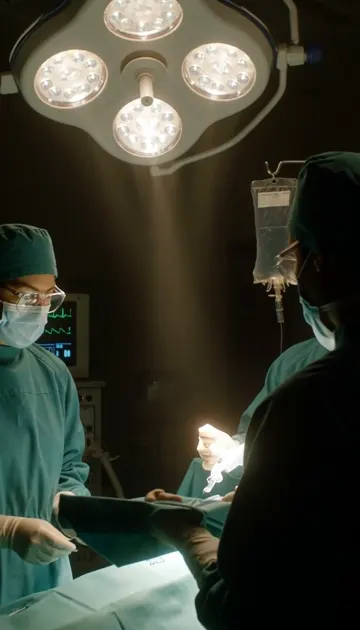
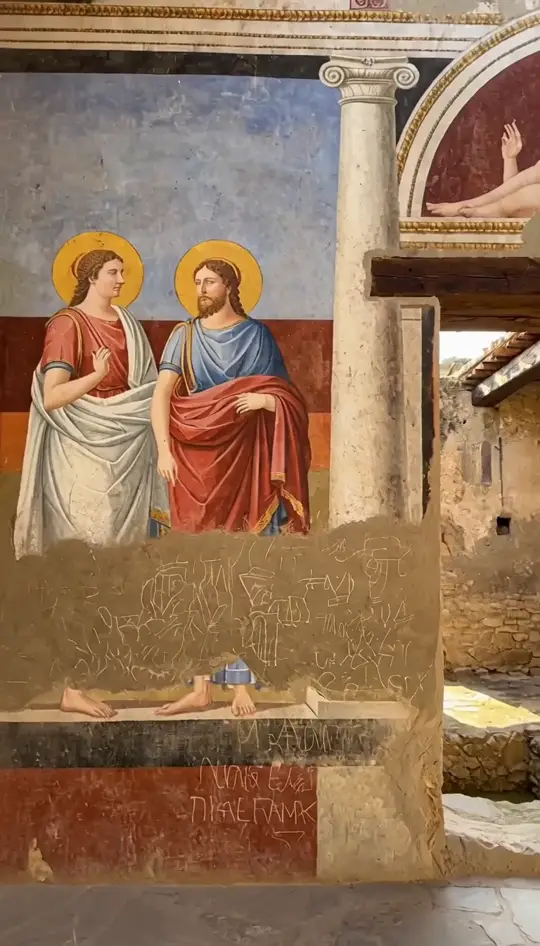
Pompeii preserved Roman graffiti
Thousands of messages survive scratched into its walls — election slogans, love notes, insults and bar tabs. It is the closest thing we have to ordinary Roman voices.
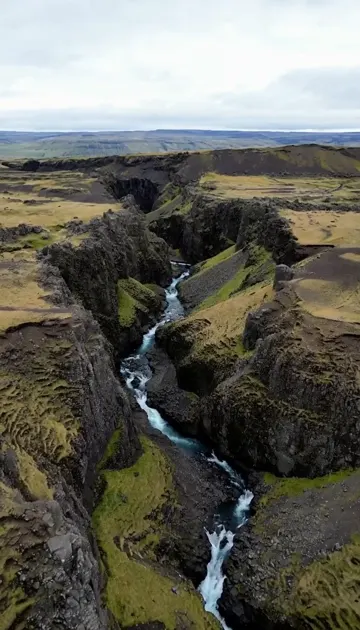
Iceland is being torn in two
The island straddles the Mid-Atlantic Ridge, so North America and Eurasia pull apart beneath it by about 2 cm every year.
Unfinished tasks stay stuck in your head
The Zeigarnik effect: people remember interrupted or incomplete tasks far better than finished ones. Starting something is often the trick to stop forgetting it.
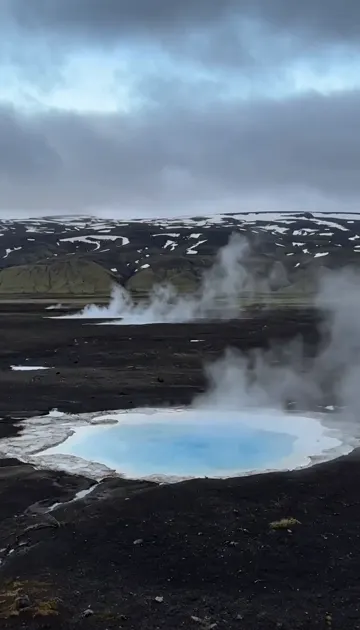
Iceland runs almost entirely on renewable power
Nearly 100 percent of its electricity comes from hydro and geothermal sources. Volcanic heat also warms homes, melts snow on pavements and heats outdoor pools all winter.
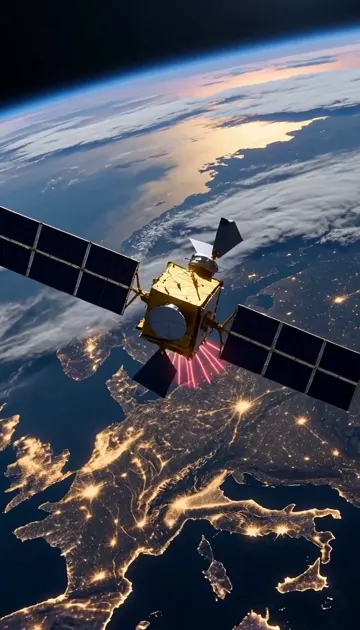
GPS would fail without Einstein
Satellite clocks tick faster in weaker gravity and slower from speed. Without relativity corrections of about 38 microseconds a day, positions would drift kilometres off.


Thailand was never colonised by Europe
Skilled diplomacy between British and French empires kept Siam independent while neighbours fell. Its name means land of the free.
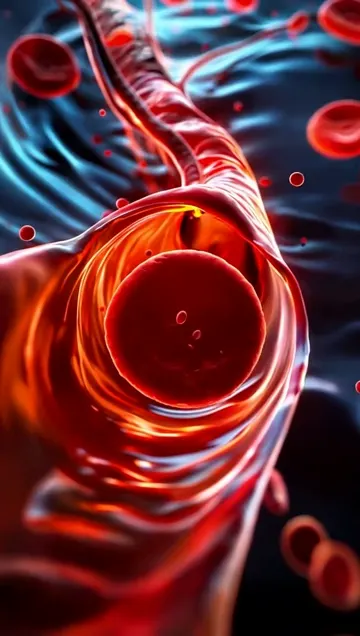


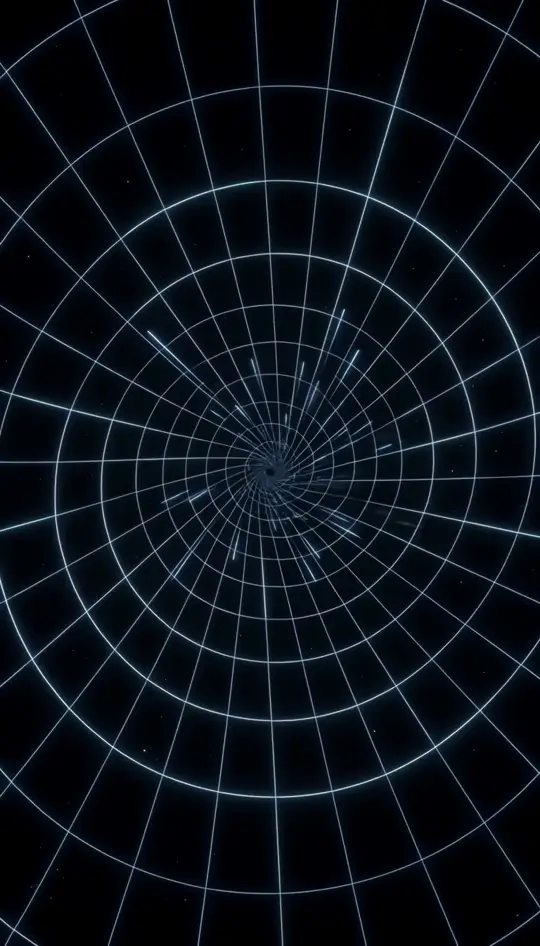
Time itself slows down near a black hole
Gravity stretches time. Watch someone fall toward the event horizon and they appear to slow, redden and freeze forever — while for them, the fall takes only moments.
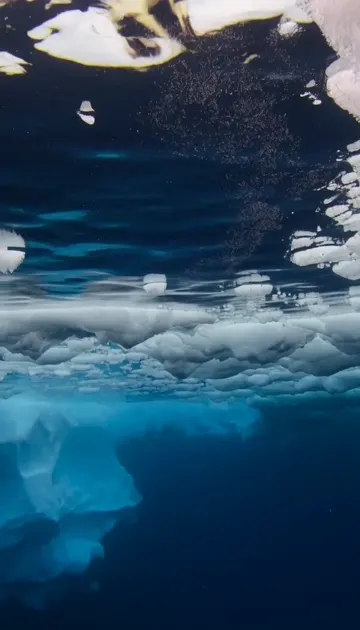
Emperor penguins dive deeper than submarines go casually
Emperor penguins reach depths beyond 500 metres and hold their breath for over 20 minutes, collapsing their lungs and rerouting blood to essential organs.
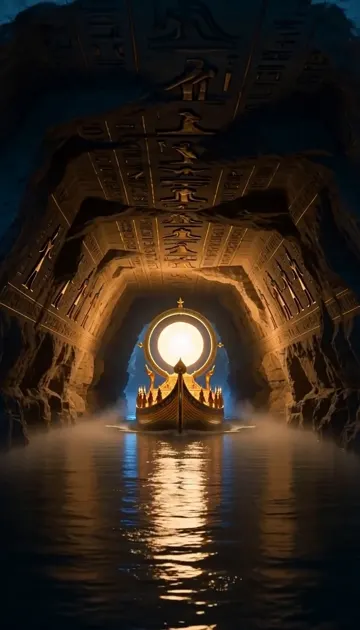
The sun god sailed through the underworld every night
Egyptians pictured Ra crossing the sky in a solar barque by day, then travelling the underworld river at night, fighting the serpent Apophis before being reborn at dawn.
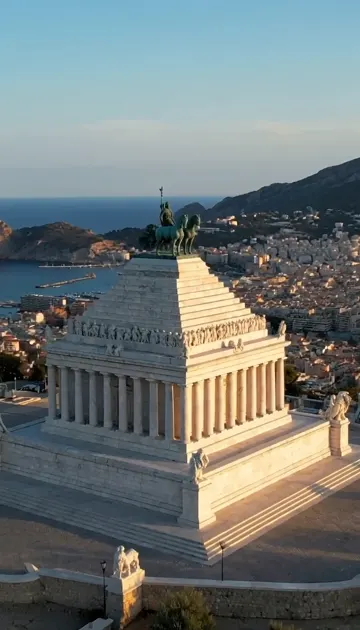
The word mausoleum comes from one man's tomb
The Mausoleum at Halicarnassus was built for Mausolus, a Persian satrap, around 350 BC. It was so admired that his name became the general term for any grand tomb.

China built the world's largest high-speed rail network
More than 45,000 kilometres of high-speed track link its cities, with trains cruising at 350 km/h, longer than every other country's high-speed network put together.
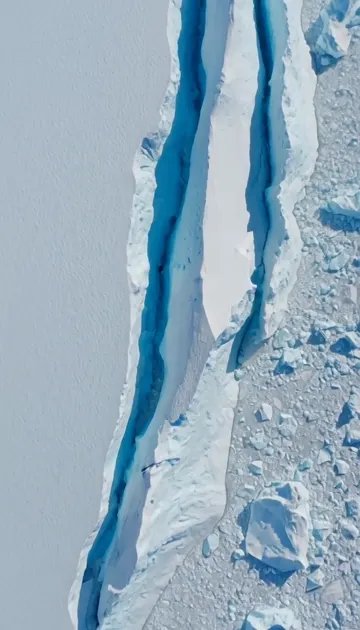
Greenland is not as big as your map says
The Mercator projection stretches areas near the poles — Greenland looks Africa-sized but Africa is about 14 times larger.
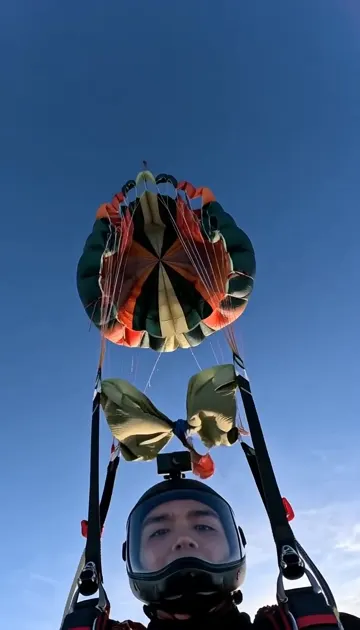
The parachute predates the aeroplane by a century
Andre-Jacques Garnerin jumped from a balloon at 3,000 feet over Paris in 1797, more than 100 years before powered flight.

X-rays were discovered by an accidental glow
In 1895 Rontgen noticed a screen glowing across his darkened lab while working with a covered tube. Weeks later he imaged his wife's hand, and medicine could see inside a living body for the first time.

Peru grows more than 3,000 kinds of potato
The Andes are the potato's homeland, and farmers still cultivate thousands of native varieties in purple, red, yellow and blue, many suited to specific altitudes.
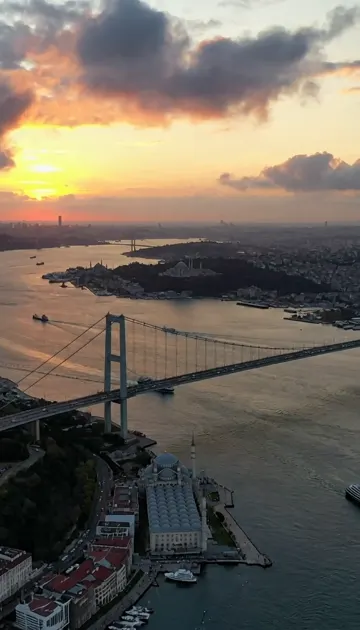
One city sits on two continents
Istanbul is split by the Bosphorus, with neighbourhoods in both Europe and Asia connected by bridges and a tunnel.
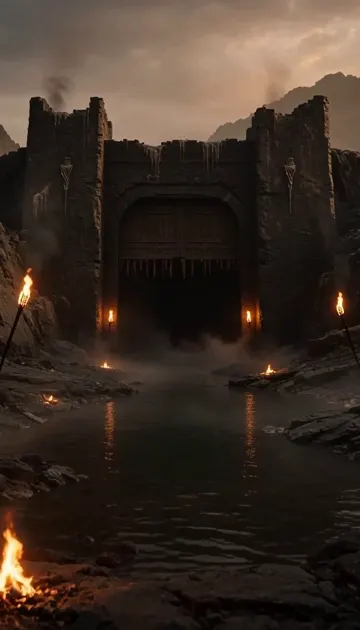
Cerberus guarded the exit, not the entrance
The three-headed hound of Hades let the dead walk in freely. His job was to make sure none of them ever walked back out, which is why Orpheus had to charm him with music.

Vietnam is the world's robusta coffee giant
French colonists brought coffee in the 1800s, and Vietnam now supplies a huge share of global robusta. Local style brews it strong through a phin filter over condensed milk.

One 2017 paper reshaped modern AI
"Attention Is All You Need" introduced the Transformer, letting models weigh every word against every other word at once. Almost every large model today descends from it.
The least skilled are often the most confident
The Dunning-Kruger effect: when you know very little about a subject, you cannot see how much you are missing, so confidence outruns skill. Real expertise usually brings more doubt, not less.
Medusa was cursed, not born a monster
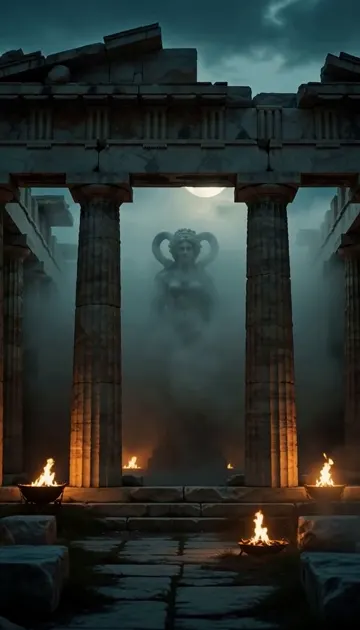
In Ovid's telling, Medusa was a beautiful priestess of Athena. After Poseidon assaulted her in the goddess's temple, Athena punished Medusa instead of him, turning her hair into serpents and her gaze to stone.
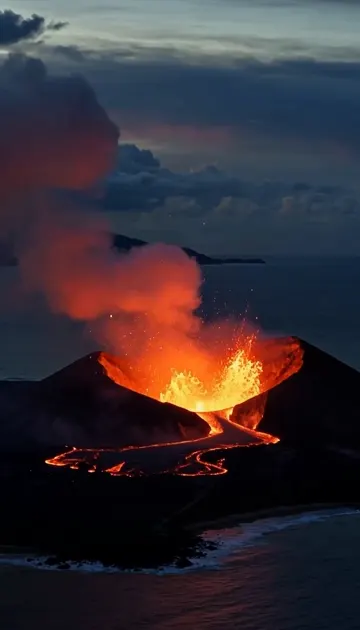
Most volcanoes sit on one giant ring
About 75% of the world's active volcanoes and 90% of earthquakes happen along the Pacific Ring of Fire.
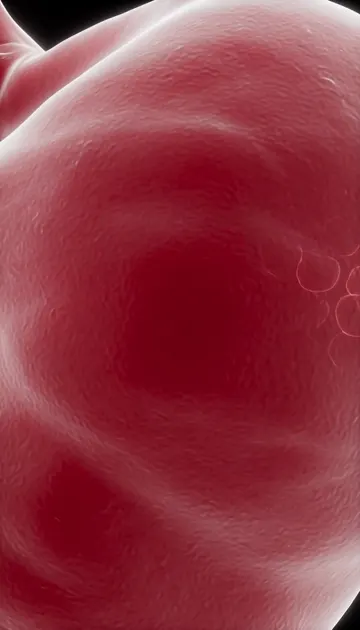
Your stomach rebuilds its own lining every few days
Stomach acid is strong enough to dissolve metal, so the lining replaces its cells every 3–4 days to avoid digesting itself.
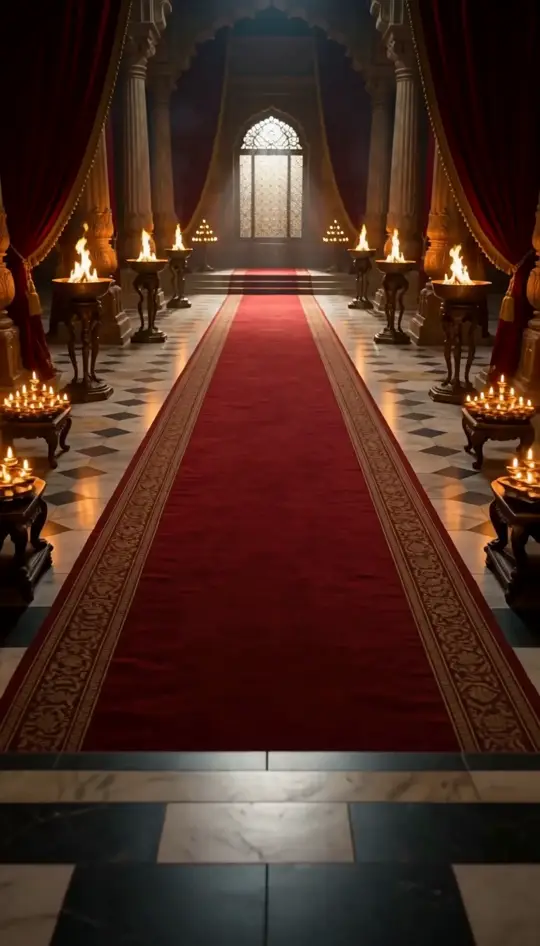
Draupadi's sari never ended
Dragged into the Kuru court to be disrobed, Draupadi called on Krishna — and the fabric renewed itself endlessly until Dushasana collapsed from exhaustion. Her vow that day set the war in motion.
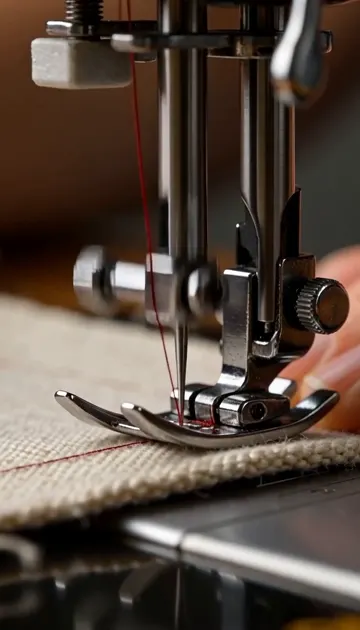
The sewing machine sparked a riot
In 1830 Barthelemy Thimonnier's Paris workshop was destroyed by tailors who feared his machines would take their jobs.
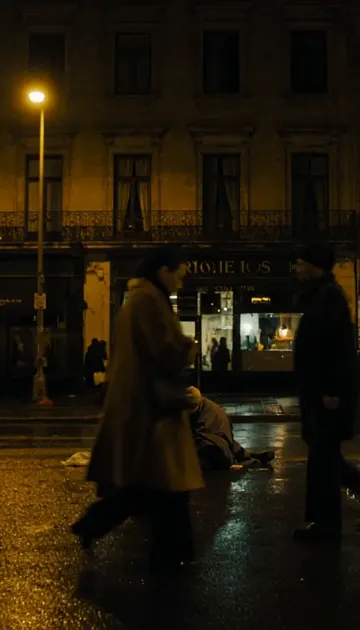
The more witnesses there are, the less help arrives
The bystander effect: in a crowd, responsibility feels shared, so each person waits for someone else to act. Naming one specific person to help breaks the spell.
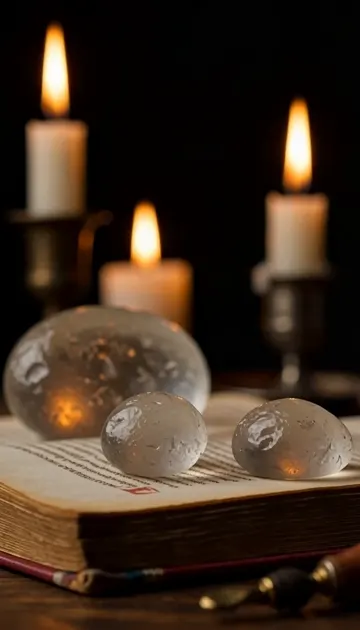
Spectacles were invented around 1286 in Italy
Glass lenses were held together by a rivet and balanced on the nose. Ear arms did not appear for another 450 years.
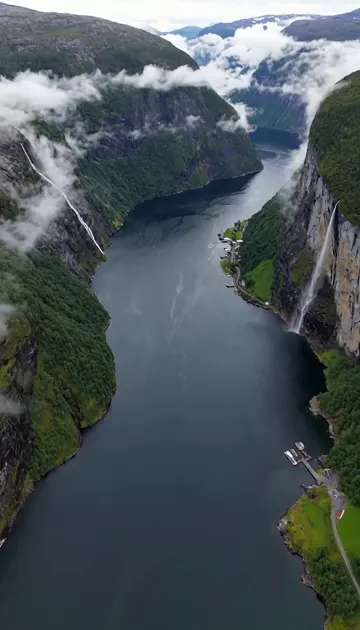
Norway's coastline is longer than the equator
Counting every fjord and island, Norway's shoreline runs over 100,000 km — more than twice around the Earth.
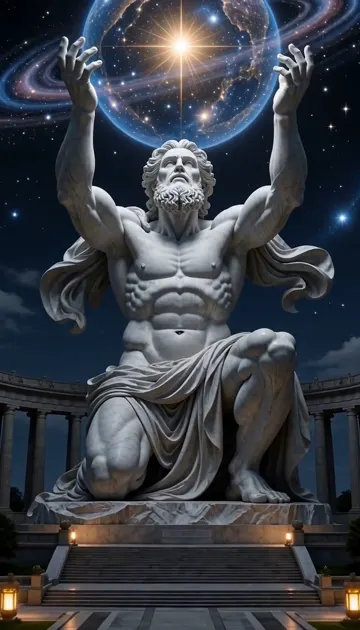
Atlas holds up the sky, not the earth
Greek myth punishes Atlas by making him carry the celestial sphere on his shoulders. Renaissance artists drew him holding a globe, and books of maps have been called atlases ever since.
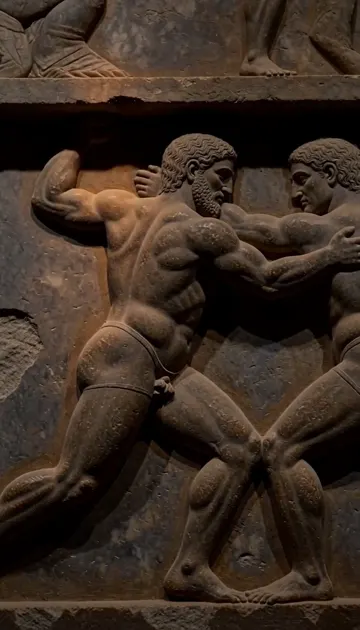
Wrestling may be the oldest sport on Earth
Cave paintings and Sumerian carvings show the same holds used today, some of them around 15,000 years old.
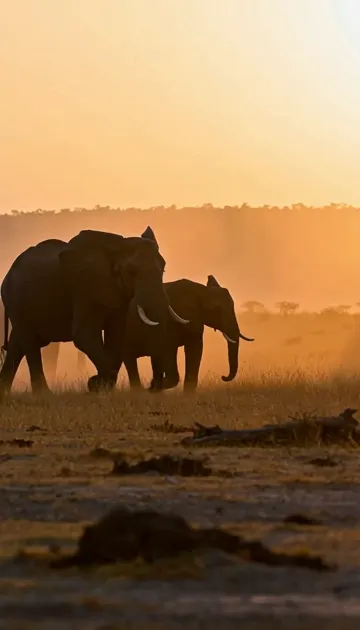
Elephants talk through the ground
Elephants produce infrasonic rumbles below human hearing that travel several kilometres through air and soil. They pick up the vibrations through their feet and trunk bones.

Koala fingerprints fool forensic scanners
Koalas evolved looping ridged fingerprints almost indistinguishable from human ones under a microscope, likely for gripping eucalyptus branches and leaves.


Japan has a vending machine for every 30 people
With roughly four million machines nationwide, Japan has the highest density on earth. They sell hot coffee, ramen, umbrellas and even fresh eggs, and are trusted to run unattended all night.

The Dead Sea shore is the lowest land on Earth
At about 430 metres below sea level, its shoreline is the lowest exposed land anywhere — and it keeps dropping as the lake shrinks.

The Nile turns desert into a green ribbon
Almost all of Egypt's population lives on the few percent of land watered by the Nile, visible from space as a green line through sand.

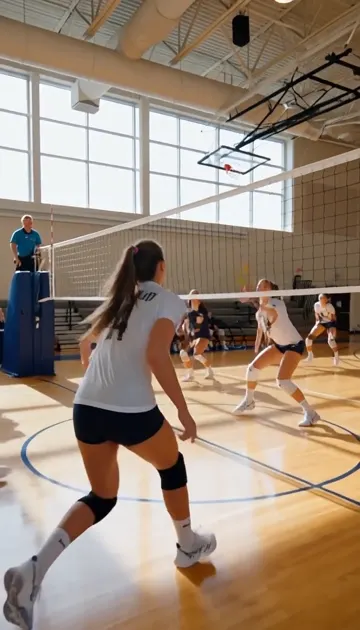
Volleyball was invented as a gentler alternative to basketball
William Morgan created it in 1895 for older gym members who found the new game too rough.

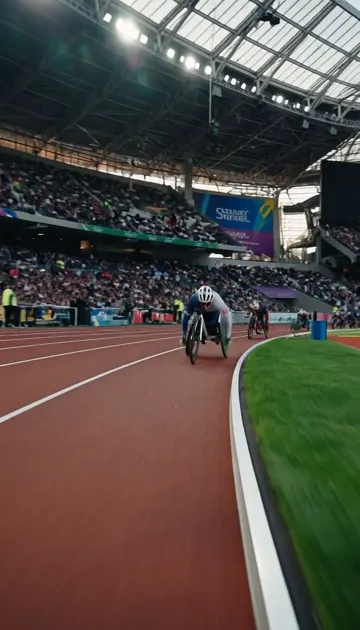
The Paralympics began in a hospital
A 1948 archery contest for spinal injury patients at Stoke Mandeville grew into a global Games held alongside the Olympics.
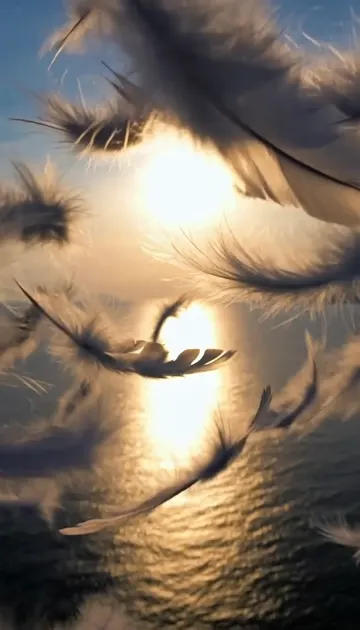
Icarus fell because he ignored both warnings
Daedalus told his son not to fly too high, where the sun would melt the wax of his wings, nor too low, where sea spray would soak the feathers. Icarus soared toward the sun and the wings came apart over the Aegean.

The largest living structure is visible from orbit
The Great Barrier Reef spans over 2,300 km and is built by billions of tiny coral polyps.
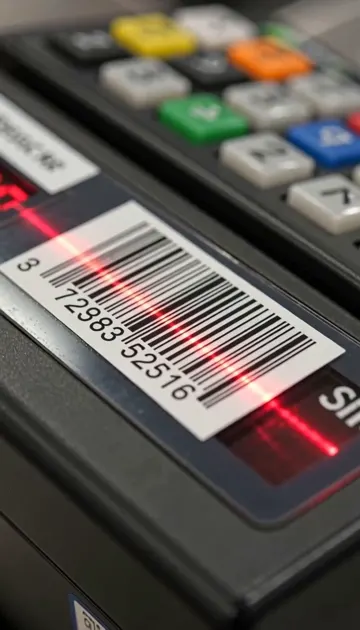
The first barcode ever scanned was on chewing gum
Barcode patterns were inspired by Morse code drawn in the sand. The first commercial scan, in 1974, was a 10-pack of Wrigley's gum.
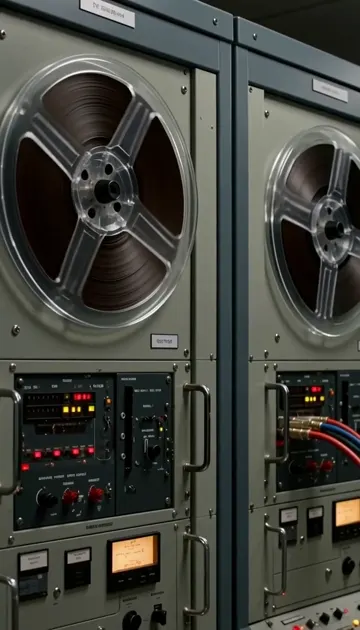
The first internet message crashed after two letters
In 1969 a UCLA team tried to send LOGIN to Stanford over ARPANET. The system crashed after LO, making the internet's first word an accidental lo.

Mount Everest grows a few millimetres every year
The Indian plate keeps pushing into Asia, lifting the Himalayas roughly 4 mm a year — faster than erosion can wear them down.

Cows have best friends
Studies show cows pair up with preferred companions, and their heart rate and stress hormones rise when separated from that particular friend.
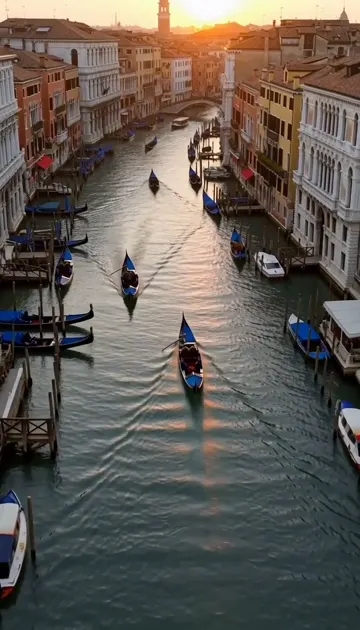
Venice stands on millions of wooden piles
Its palaces rest on tree trunks driven into the lagoon mud. Starved of oxygen underwater, the wood petrified instead of rotting.
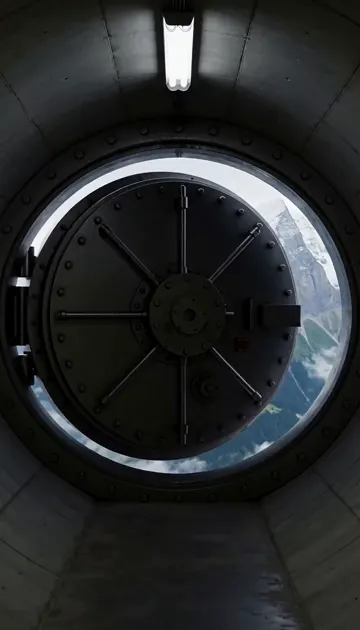
Switzerland has bunker space for everyone
Swiss law required fallout shelters in new buildings for decades, leaving the country with more shelter places than people. Many are now used as wine cellars, hostels and data centres.
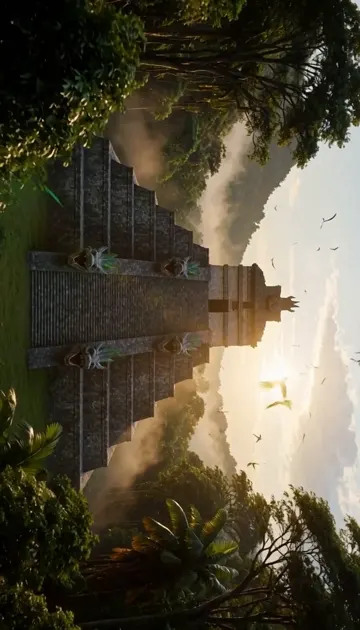
The feathered serpent gave humanity maize
Mesoamerican myth credits Quetzalcoatl with bringing maize to people, sometimes by turning into an ant to steal a single grain from inside a mountain, and with teaching farming and the calendar.
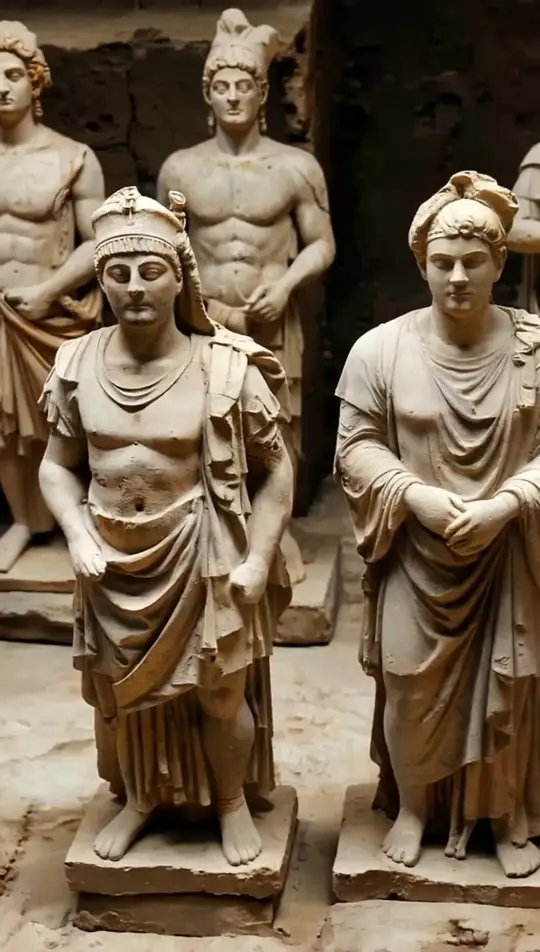
The famous Pompeii bodies are casts of empty space
The victims decayed, leaving hollow cavities in hardened ash. In 1863 archaeologists poured plaster into those voids, recreating the exact poses of people who died 1,800 years earlier.


Greece has around 6,000 islands
Only about 227 are inhabited. The scattered geography shaped independent city-states in antiquity and gives Greece one of Europe's longest coastlines today.
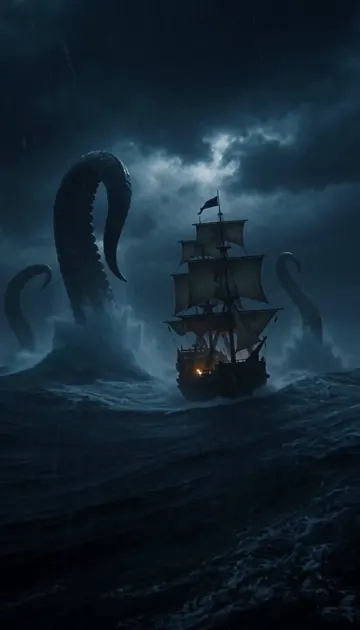
The kraken legend may come from real squid
Norwegian sailors described an island-sized beast that dragged ships under. Modern biologists point to the giant squid, which can exceed 12 metres and was only filmed alive in 2004.

Baba Yaga's hut stands on chicken legs
In Slavic folklore, the witch lives in a hut that walks on giant fowl legs and turns to face visitors. She flies in a mortar, steering with a pestle, and may help or eat whoever finds her.

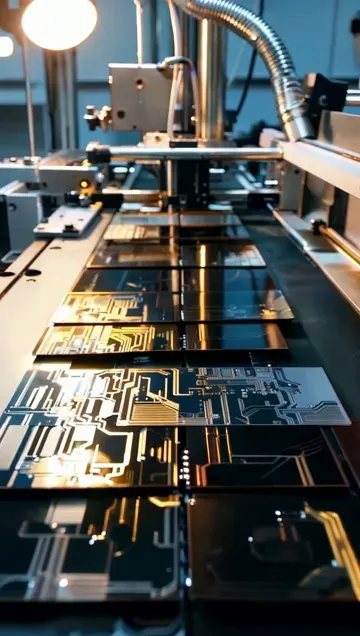
Moore's law was an observation, not a law
In 1965 Gordon Moore noticed transistor counts doubling roughly every year, later revised to two. That guess became the industry's roadmap for half a century.

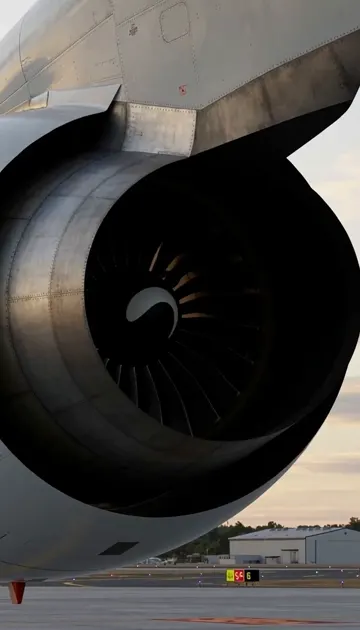
Two enemies invented the jet engine separately
Frank Whittle in Britain and Hans von Ohain in Germany developed jet engines independently in the 1930s, with neither aware of the other's work.
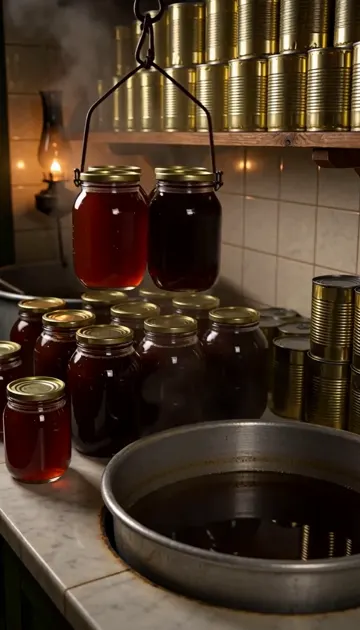
Canned food arrived 50 years before the can opener
Napoleon's prize for preserving army rations produced sealed tins in 1810. For decades soldiers opened them with a hammer and chisel or a bayonet.

The ballpoint pen was designed by a newspaper editor
Laszlo Biro noticed newsprint ink dried instantly and paired thick ink with a rotating ball in the 1930s, ending the age of leaky fountain pens.
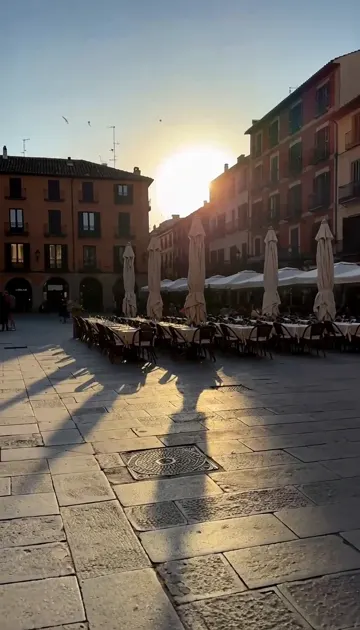
Spain sits in the wrong time zone
Spain aligns with central European time even though it lies at the longitude of Britain. That mismatch pushes sunset late and helps explain dinners at 10pm.

Tour de France riders burn up to 6,000 calories a day
On mountain stages that is roughly ten times a resting adult's use, and riders eat while racing just to avoid running out of fuel.
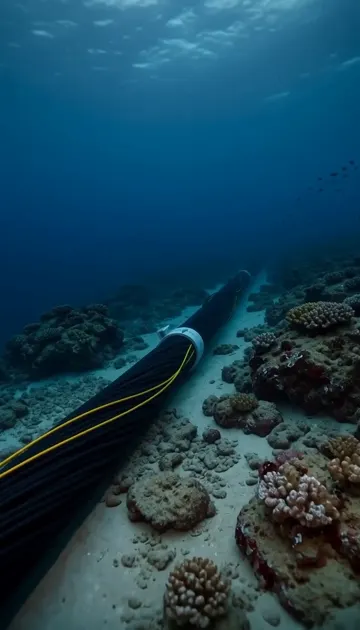
Almost all international data crosses the seabed
Satellites carry a tiny share — around 99% of intercontinental internet traffic runs through submarine cables, some no thicker than a garden hose.
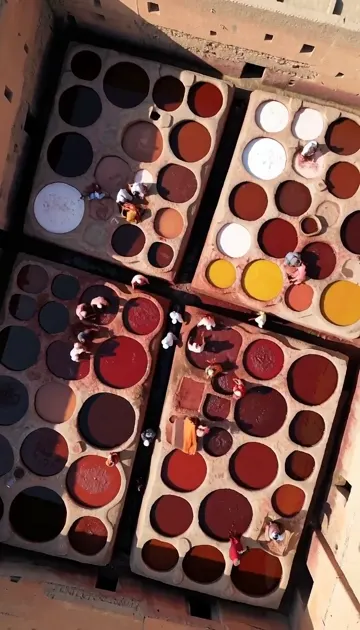
Fez has a tannery running since medieval times
The Chouara tannery in Morocco still dyes leather in stone vats using methods largely unchanged for around a thousand years, with pigeon droppings and lime softening the hides.
Basketball had no three-point line until 1979
The NBA adopted the arc as a gimmick to add excitement. It ended up rewriting how the entire sport is played.

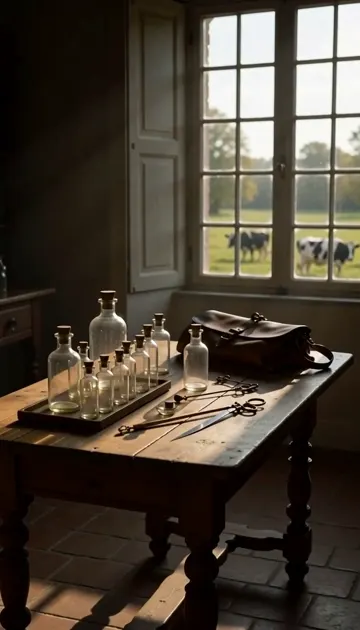
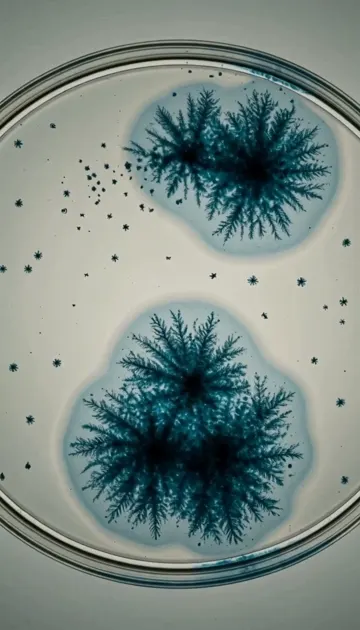
Penicillin was found on a dish left by mistake
Alexander Fleming returned from holiday in 1928 to a contaminated culture plate. The mould killing the bacteria around it became the first true antibiotic and has saved an estimated 200 million lives.
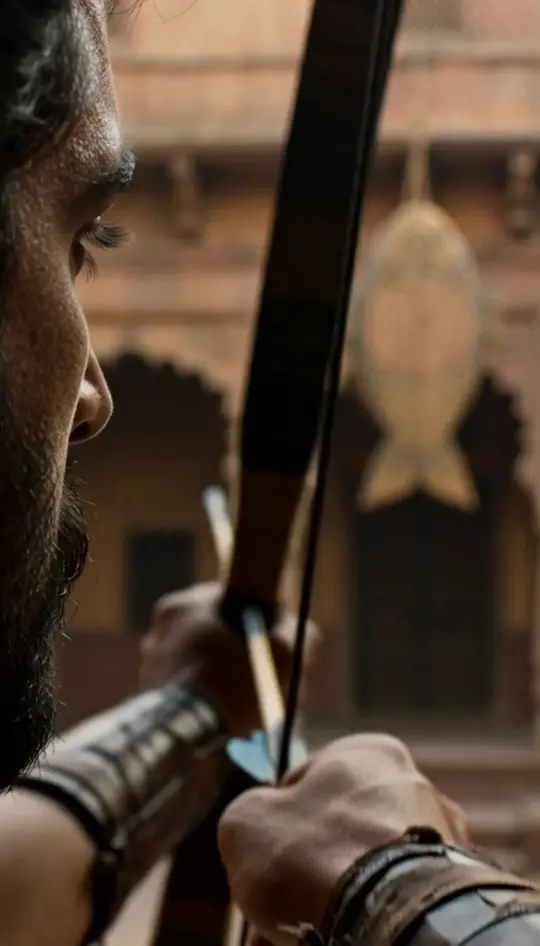
Arjuna saw only the eye of the fish
Asked what he could see, every prince described the tree, the sky, the crowd. Arjuna said he saw nothing but the eye of the revolving fish — and that focus won him Draupadi's hand.
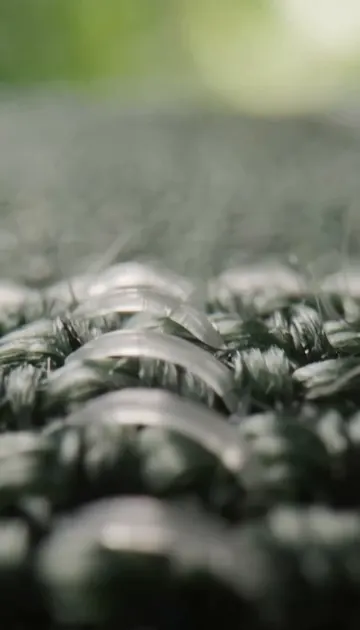
Velcro was copied from burrs stuck to a dog
After a walk in 1941 George de Mestral studied the burrs clinging to his dog's fur under a microscope and saw tiny hooks. It took him eight years to reproduce them in nylon.

Nobody actually hangs in the air
Even the highest dunkers stay airborne under a second. "Hang time" is an illusion created by how a body moves once it leaves the floor.

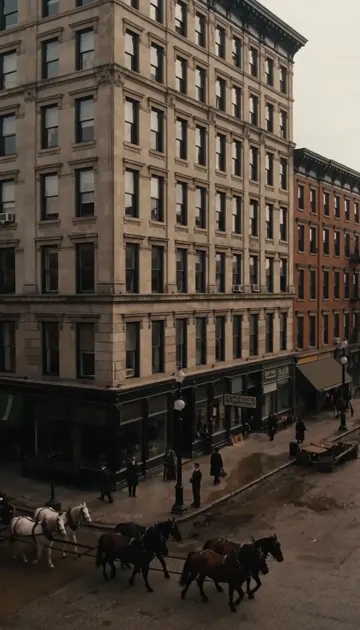
The first skyscraper was only ten storeys
Chicago's Home Insurance Building of 1885 stood about 42 metres tall, but its steel frame — not its walls — carried the load. That idea made every tower since possible.
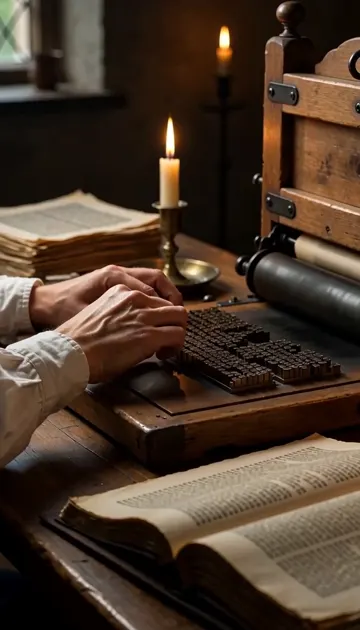
Gutenberg's press made books 300 times faster
Before 1440 a scribe needed months to copy one book by hand. Gutenberg's movable-type press could print hundreds of pages a day, and Europe went from a few thousand books to millions within 50 years.

Indonesia is made of over 17,000 islands
Spread across three time zones, it is the world's largest archipelago and sits on the Ring of Fire with about 130 active volcanoes, more than any other country.

The world's biggest mirror is a salt flat
When a thin layer of water covers Bolivia's Salar de Uyuni, its 10,000 km² of salt reflects the sky almost perfectly.
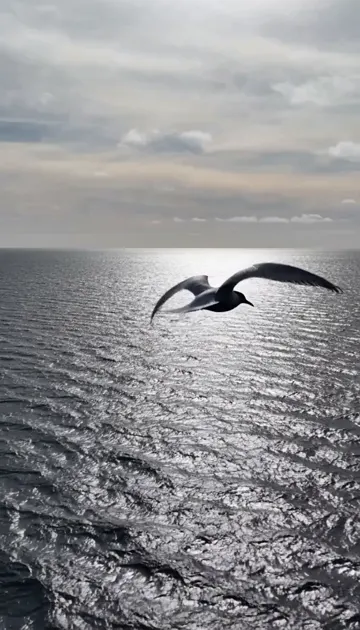
One bird flies to the Moon and back three times
The Arctic tern migrates pole to pole every year, roughly 70,000 km, and over a 30-year life covers a distance comparable to three round trips to the Moon.
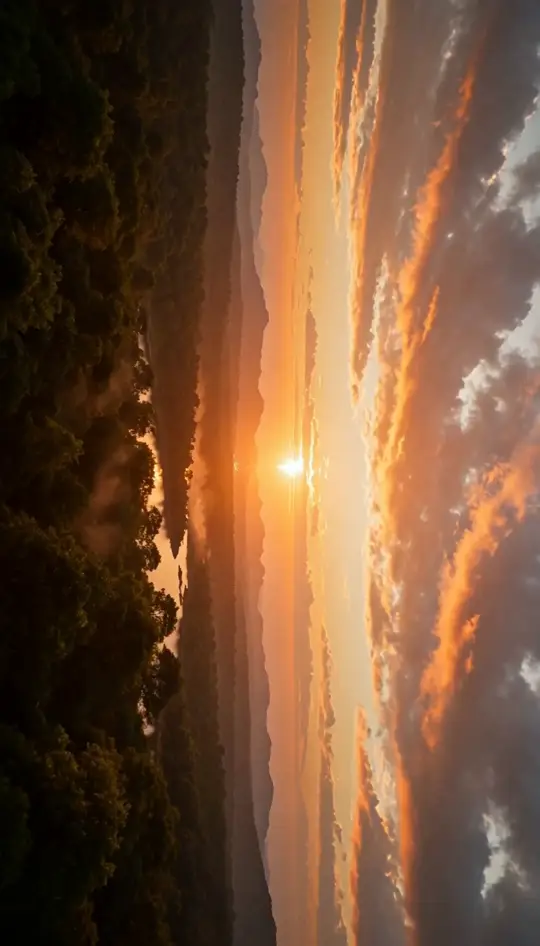
A vulture fought Ravana alone
Jatayu, the ageing bird-king, attacked Ravana's flying chariot to stop Sita's abduction. His wings were cut away, but he lived long enough to tell Rama which way south the demon had flown.
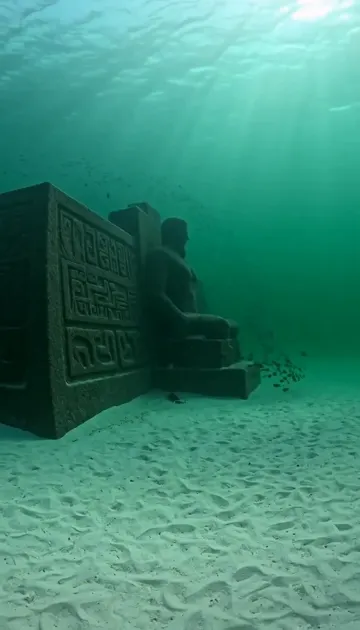
Divers found the lighthouse on the seabed
Earthquakes toppled the Pharos by 1323. In the 1990s archaeologists located huge blocks and statues from it underwater in Alexandria's harbour, where dives still recover fragments.
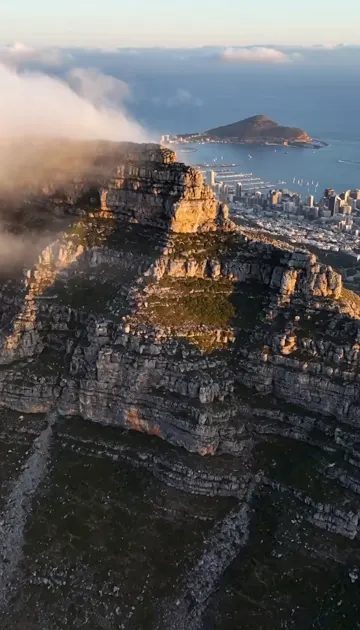
South Africa has three capital cities
Pretoria is the executive capital, Cape Town the legislative and Bloemfontein the judicial, a compromise created when the union formed in 1910.
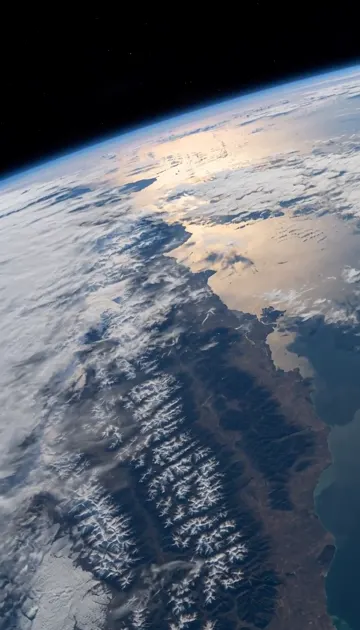
You cannot see the Great Wall from space
Despite the popular claim, astronauts report the wall is too narrow and blends with surrounding terrain. Chinese astronaut Yang Liwei confirmed he could not spot it from orbit.
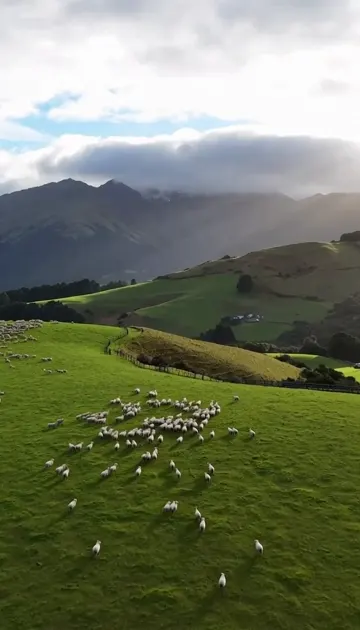
New Zealand has about five sheep per person
Once over 20 sheep per person, the ratio has fallen but still leaves roughly 25 million sheep to five million people across steep green pasture.
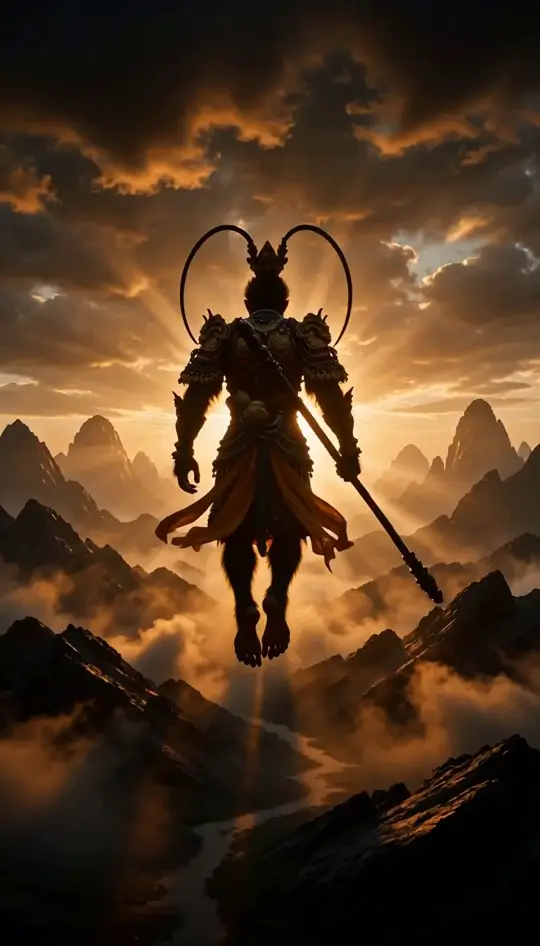
Hanuman tried to eat the Sun
As an infant, Hanuman mistook the rising sun for a ripe mango and leapt into the sky to swallow it. Indra struck him down with a thunderbolt, injuring his jaw — the name Hanuman means "disfigured jaw".
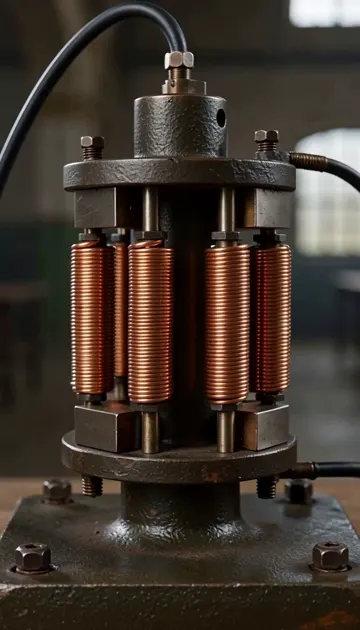
Faraday's first motor fit in a glass of mercury
In 1821 Michael Faraday made a wire rotate continuously around a magnet in a mercury bath. Nearly all electric motors today descend from that desktop experiment.
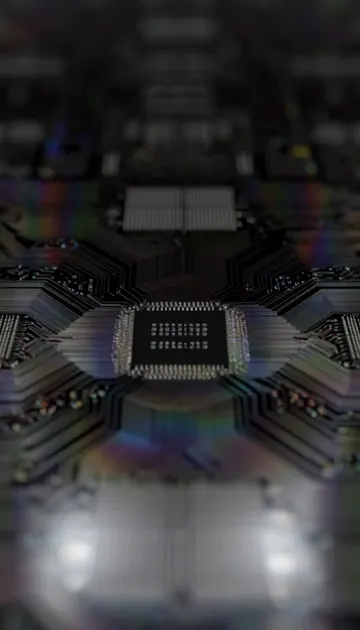
Two people invented the microchip months apart
Jack Kilby demonstrated an integrated circuit in 1958 and Robert Noyce independently designed a better silicon version in 1959. Both are credited with the invention.

The Chernobyl disaster began as a safety test
On 26 April 1986 engineers ran a late-night test to see if a dying turbine could power the cooling pumps. The test pushed Reactor 4 into an unstable state and it exploded within seconds.
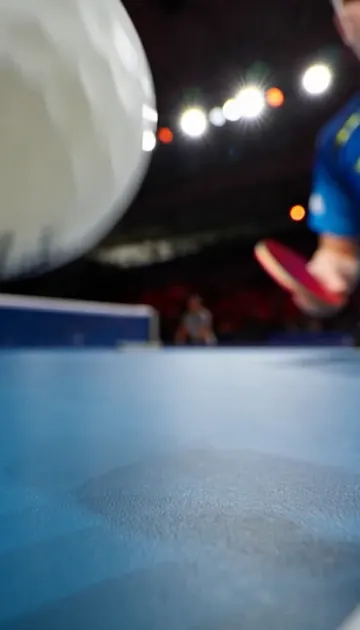
A table tennis ball can spin over 9,000 times a minute
That is why a ball can swerve mid-flight and kick sideways off the table. Top players read spin, not speed.
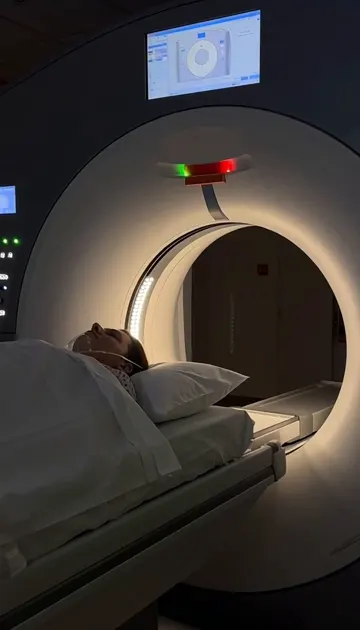
The MRI scanner grew out of a chemistry tool
Nuclear magnetic resonance was used to analyse molecules until researchers realised it could map water in human tissue, giving detailed images with no radiation at all.
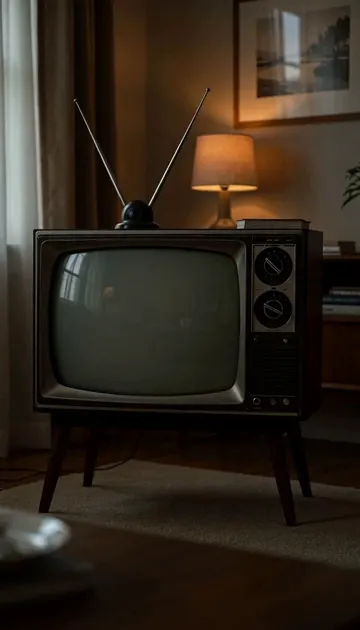
Television's inventor banned his kids from watching it
Philo Farnsworth built the first fully electronic TV at 21, inspired by ploughed field rows. He later told his son there was nothing worthwhile on it.
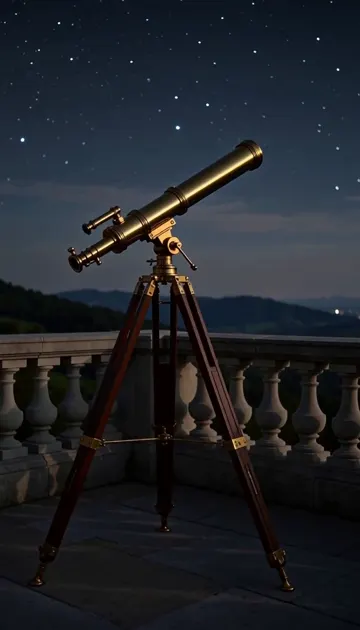
Galileo's telescope ended an ancient certainty
In 1609 Galileo turned a new Dutch spyglass to the sky and saw four moons orbiting Jupiter, proof that not everything circles the Earth.

The first dive to the deepest sea took 5 hours
In 1960 the bathyscaphe Trieste carried two men nearly 11 km down into the Mariana Trench. The descent took about five hours; they stayed only 20 minutes.
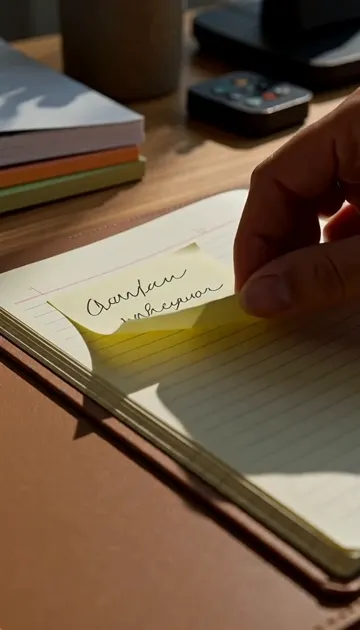
The Post-it note started as a failed superglue
3M chemist Spencer Silver made an adhesive that was too weak. Years later a colleague used it to keep bookmarks in his hymn book, and a billion-dollar product appeared.