Reels tagged #wikipedia
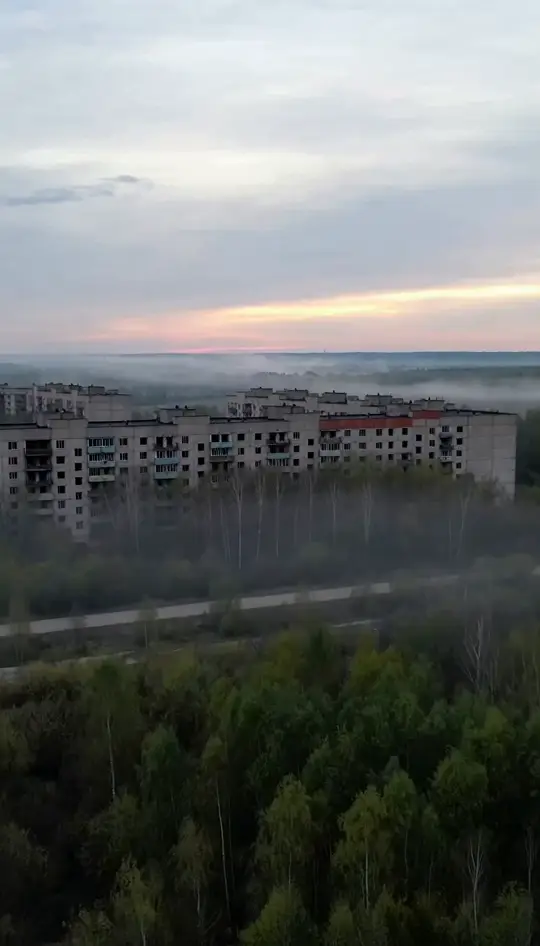
The Chernobyl disaster began as a safety test
On 26 April 1986 engineers ran a late-night test to see if a dying turbine could power the cooling pumps. The test pushed Reactor 4 into an unstable state and it exploded within seconds.
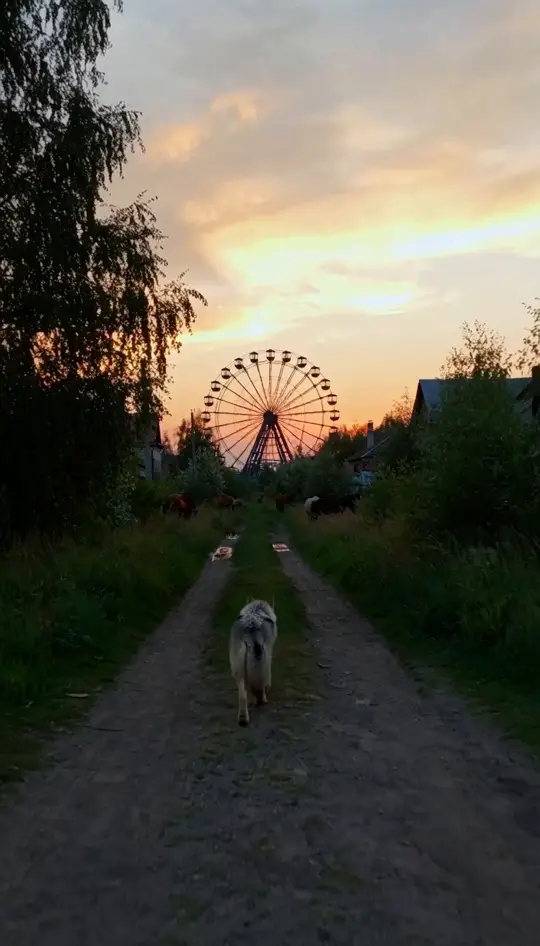
The exclusion zone became a wildlife sanctuary
With humans gone, the 2,600 km² zone filled with wolves, lynx, bison and wild horses. Radiation still lingers, but for most species the absence of people has been the bigger factor.
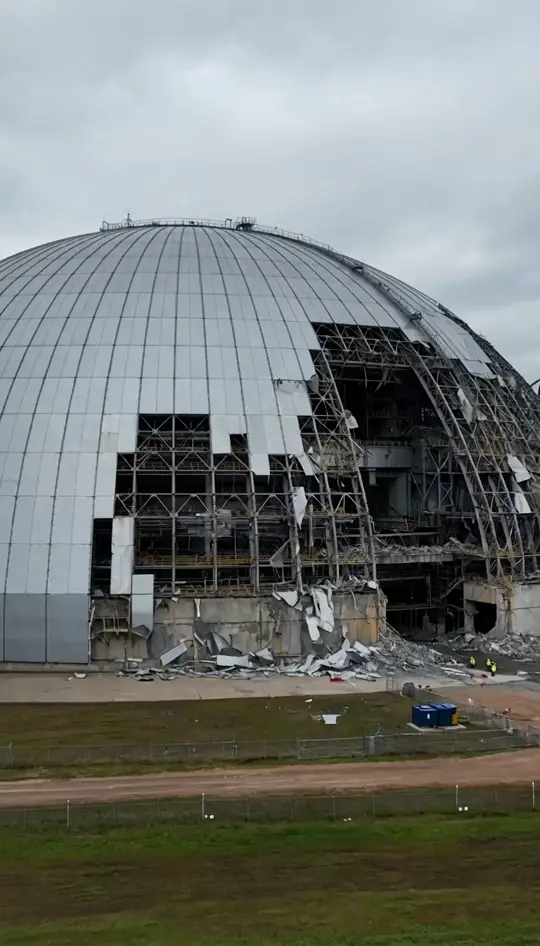
Reactor 4 sits under the largest moving structure ever built
The New Safe Confinement arch is 108 m tall and weighs 36,000 tonnes. It was assembled beside the reactor and slid into place over it — the biggest object ever moved on land.
The first photo of a black hole used an Earth-sized telescope
In 2019 eight radio observatories across the planet were linked into one virtual dish the width of Earth. It imaged M87*, a black hole 55 million light years away.
Time itself slows down near a black hole
Gravity stretches time. Watch someone fall toward the event horizon and they appear to slow, redden and freeze forever — while for them, the fall takes only moments.
Black holes slowly evaporate
Stephen Hawking showed black holes leak faint radiation and shrink. A stellar-mass one would take about 10^67 years to vanish — far longer than the universe has existed.
Your brain burns a fifth of your energy
It is about 2% of your body weight but consumes roughly 20% of your calories and oxygen — running on around 20 watts, less than a dim light bulb.
The brain cannot feel pain
Brain tissue has no pain receptors. That is why surgeons can operate on an awake patient, asking them to talk or play guitar to make sure nothing vital is cut.
You carry about 86 billion neurons
Each one can connect to thousands of others, making roughly 100 trillion synapses — a wiring diagram no machine has yet come close to matching.
Pompeii was buried in a single day
When Vesuvius erupted in AD 79 it threw a 30 km column of ash into the sky, then collapsed into scorching surges that buried the city under metres of pumice within about 18 hours.
The famous Pompeii bodies are casts of empty space
The victims decayed, leaving hollow cavities in hardened ash. In 1863 archaeologists poured plaster into those voids, recreating the exact poses of people who died 1,800 years earlier.
Pompeii preserved Roman graffiti
Thousands of messages survive scratched into its walls — election slogans, love notes, insults and bar tabs. It is the closest thing we have to ordinary Roman voices.