Reels tagged #medicine

KnowledgeReels
Swipe up
Human body

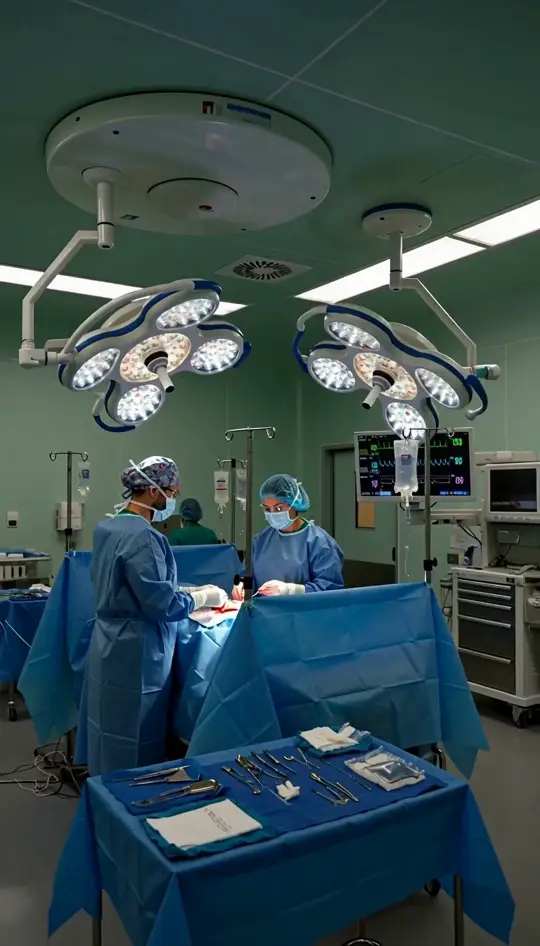
The brain cannot feel pain

Brain tissue has no pain receptors. That is why surgeons can operate on an awake patient, asking them to talk or play guitar to make sure nothing vital is cut.
Firsts

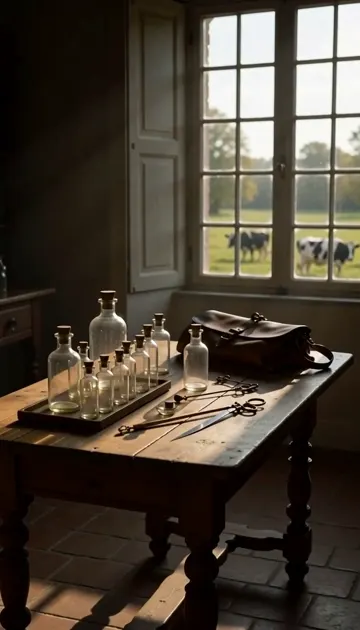
The first vaccine came from cowpox

In 1796 Edward Jenner used cowpox to protect against smallpox. The Latin for cow, vacca, is why we call it vaccination at all.

Firsts

The first heart transplant patient lived 18 days

Christiaan Barnard performed the first human heart transplant in Cape Town in December 1967. The surgery worked; pneumonia, worsened by anti-rejection drugs, did not.

Inventions

Penicillin was found on a dish left by mistake

Alexander Fleming returned from holiday in 1928 to a contaminated culture plate. The mould killing the bacteria around it became the first true antibiotic and has saved an estimated 200 million lives.

Inventions

X-rays were discovered by an accidental glow

In 1895 Rontgen noticed a screen glowing across his darkened lab while working with a covered tube. Weeks later he imaged his wife's hand, and medicine could see inside a living body for the first time.

Inventions

The wearable pacemaker was invented after a blackout

When a power cut killed a hospitalised child on a plug-in pacemaker in 1957, Earl Bakken built a battery-powered wearable version in four weeks.

Inventions

The MRI scanner grew out of a chemistry tool

Nuclear magnetic resonance was used to analyse molecules until researchers realised it could map water in human tissue, giving detailed images with no radiation at all.

Inventions

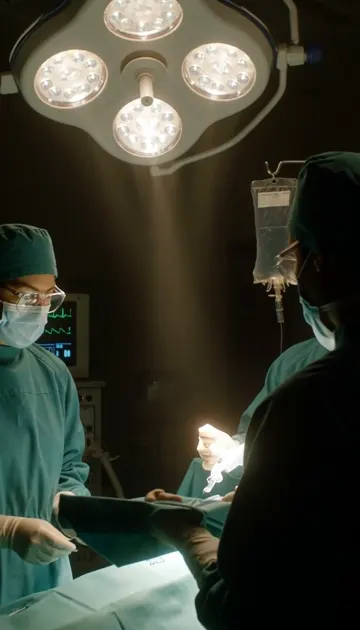
Surgery before anaesthesia was timed in seconds

Surgeons competed to amputate a leg in under a minute because patients were awake. Ether anaesthesia, demonstrated publicly in 1846, changed surgery forever.