Biology
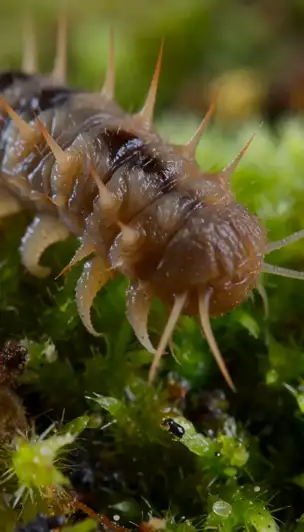
A creature that survives outer space
Tardigrades can dry out, halt their metabolism and endure vacuum, radiation and near absolute zero. In 2007 living ones were exposed to open space and revived on Earth.
Tardigrades can dry out, halt their metabolism and endure vacuum, radiation and near absolute zero. In 2007 living ones were exposed to open space and revived on Earth.
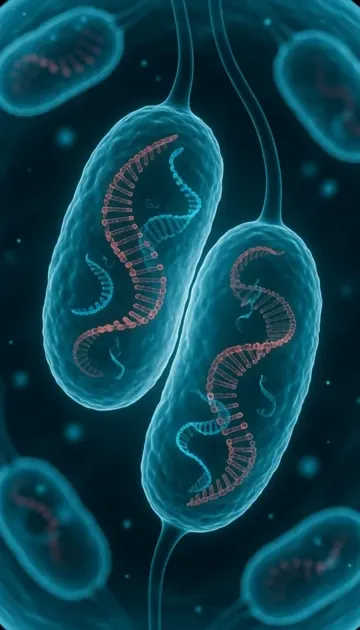
Mitochondria have their own small circular DNA, inherited only from your mother. They are thought to descend from ancient bacteria absorbed by our ancestors' cells.
Packed into a nucleus a few micrometres wide, your DNA is wound and coiled with astonishing efficiency. Stretched end to end, the DNA in your whole body would reach far beyond the Sun.
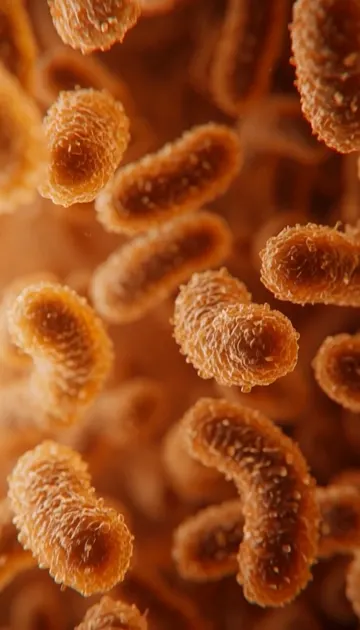
Current estimates put the ratio near one to one — tens of trillions of microbes, mostly in your gut, helping digest food and train your immune system.
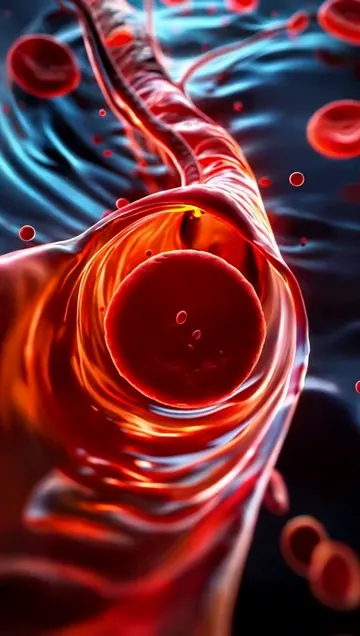
It has no nucleus, so it cannot repair itself. In that short life it makes roughly 170,000 trips around your body before being recycled in the spleen.
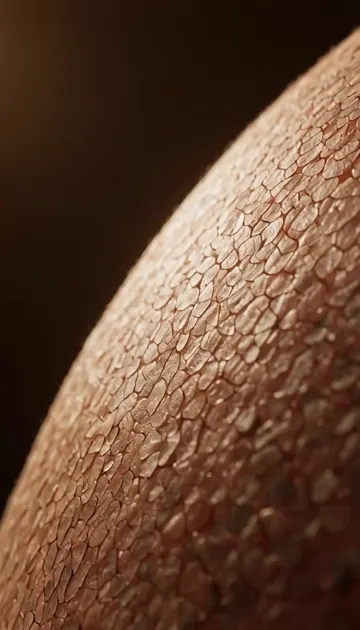
The epidermis renews itself continuously, and humans shed on the order of tens of thousands of skin cells every minute. Much of household dust is you.
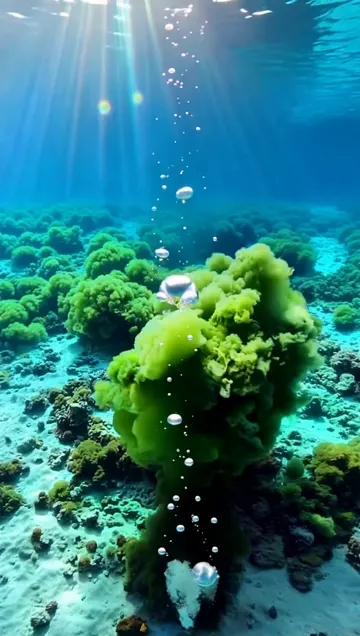
Marine phytoplankton — microscopic drifting algae — produce roughly half of Earth's oxygen, rivalling every forest on land combined.