Dogs
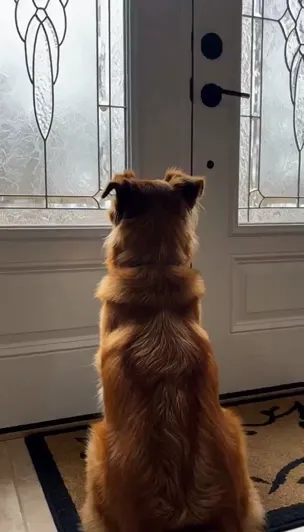
Separation anxiety shows in the first 20 minutes
Most distress happens right after you leave. Practising departures of one minute, then five, then fifteen, teaches a dog that you always return.
Most distress happens right after you leave. Practising departures of one minute, then five, then fifteen, teaches a dog that you always return.
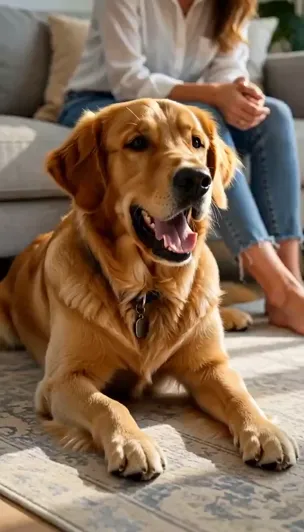
Dogs yawn to defuse tension. If your dog yawns while being hugged or scolded, it is asking for space, not a nap. Give it a moment and the body language relaxes.
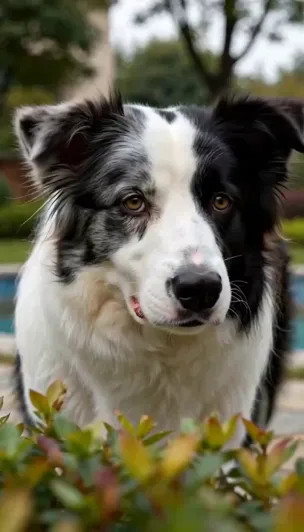
Turning the head away, licking lips and sniffing the ground are calming signals. Dogs use them to keep the peace, and you can mirror them to settle a nervous dog.
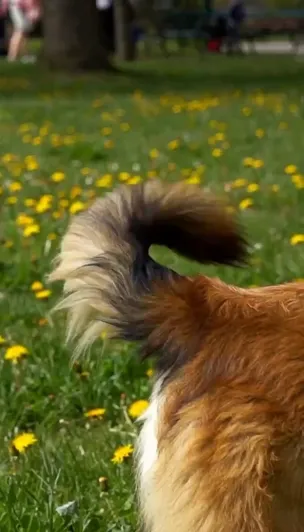
Research shows wags biased to the right signal comfort and to the left signal unease. A high, stiff, fast wag is arousal, and can tip into a bite.
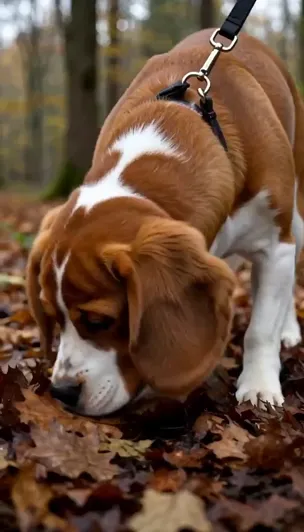
Twenty minutes of free sniffing on a walk drains more mental energy than an hour of fetch. Let the leash go slack and let the nose lead for a calmer evening.
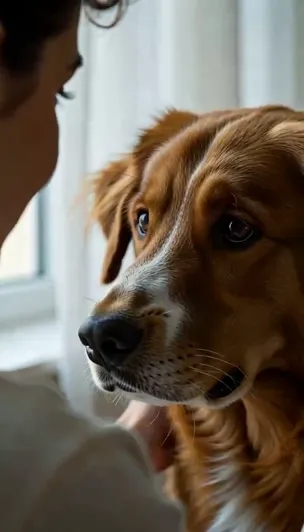
Domestication tuned dogs to human expressions and pointing gestures. They check your eyes for permission before taking food, something wolves never do.
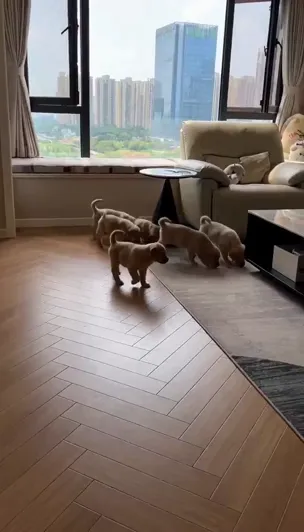
Sights, sounds and people met before then feel normal for life. Gentle exposure in that window prevents most adult fear problems.