Reels tagged #pets

KnowledgeReels
Swipe up
Dogs

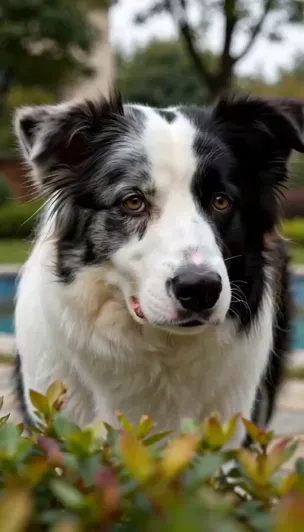
A dog's yawn is often stress, not sleepiness

Dogs yawn to defuse tension. If your dog yawns while being hugged or scolded, it is asking for space, not a nap. Give it a moment and the body language relaxes.
Dogs

The slow blink and head turn means 'I'm no threat'

Turning the head away, licking lips and sniffing the ground are calming signals. Dogs use them to keep the peace, and you can mirror them to settle a nervous dog.
Dogs

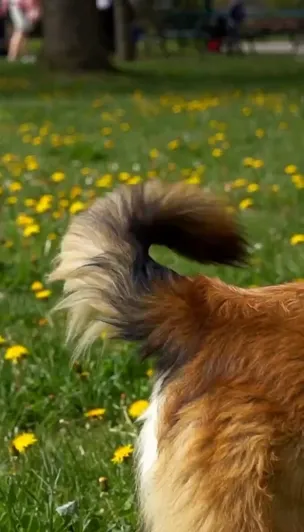
A wagging tail does not always mean happy

Research shows wags biased to the right signal comfort and to the left signal unease. A high, stiff, fast wag is arousal, and can tip into a bite.

Dogs

Sniffing tires a dog more than running

Twenty minutes of free sniffing on a walk drains more mental energy than an hour of fetch. Let the leash go slack and let the nose lead for a calmer evening.

Dogs

Dogs read your face better than chimps do

Domestication tuned dogs to human expressions and pointing gestures. They check your eyes for permission before taking food, something wolves never do.

Dogs

Puppies have a socialisation window that closes at 16 weeks

Sights, sounds and people met before then feel normal for life. Gentle exposure in that window prevents most adult fear problems.

Dogs

Shaking off is a reset button

A dog that shakes its coat when nothing is wet is discharging stress after a tense moment, like a vet exam or a scuffle. It means the arousal is dropping.

Dogs

Rolling in something foul is scent camouflage

The instinct comes from wild canids masking their own smell or carrying news of a carcass back to the pack. Your dog is not being rude, just very old-fashioned.

Dogs

Grapes and raisins can shut down a dog's kidneys

So can xylitol in sugar-free gum, chocolate, onions and macadamia nuts. Even a small dose matters, so keep the vet's emergency number on the fridge.

Dogs

Chewing releases calming endorphins

A dog that shreds cushions is often under-stimulated rather than naughty. A daily chew or a food puzzle redirects the same need without the damage.

Cats

Slow blinking is how cats say they trust you

Studies found cats blink back at humans who blink slowly at them, and approach those people more readily. It is the closest thing to a feline smile.

Cats

Adult cats meow almost only at humans

Cats rarely meow at each other once grown. The whole vocabulary of chirps and demands evolved specifically to manage people.

Cats

Purring is not only happiness

Cats also purr when injured or frightened. The frequency band, roughly 25 to 150 hertz, is associated with tissue and bone healing.

Cats

Head-butting marks you as safe territory

Cats have scent glands on the cheeks and forehead. Bunting deposits their signature on you, mixing your smell into the colony scent.

Cats

A cat showing its belly is usually not asking for a rub

The exposed stomach is a sign of trust, not an invitation. Most cats will grab the hand that accepts it. Scratch the cheeks instead.

Cats

Cats need to climb, not just to roam

Vertical space lowers stress in multi-cat homes by letting them avoid each other. A tall tree or a few shelves can end most territorial fighting.

Cats

The litter box rule is one per cat, plus one

Boxes should be uncovered, scooped daily and away from noisy appliances. Most house-soiling complaints disappear when this is fixed.

Cats

Cats cannot taste sweetness

They lack a working sweet receptor gene, a legacy of being strict carnivores. They can, however, detect bitterness very sharply, which is why pills are a fight.

Cats

Whiskers measure gaps and get tired

Whiskers are packed with nerve endings, and deep narrow bowls press on them all through a meal. A wide shallow dish fixes fussy eating surprisingly often.

Cats

A cat kneading you is a kitten memory

Paddling paws is the motion kittens use on their mother to start milk flow. Adults keep it for moments when they feel completely safe.

Cats

Cats sleep up to 16 hours a day by design

Ambush hunters bank energy between short explosive hunts. Two play sessions with a wand toy that ends in a catch and a meal restores that natural cycle.

Dogs

Separation anxiety shows in the first 20 minutes

Most distress happens right after you leave. Practising departures of one minute, then five, then fifteen, teaches a dog that you always return.

Dogs

Dogs do not feel guilt when they look guilty

That flattened, whale-eyed look is a response to your tone and posture, not to the chewed shoe. Punishment after the fact teaches fear of you, not of chewing.

Dogs

A dog's nose print is as unique as a fingerprint

Some kennel clubs have accepted nose prints as identification. The pattern of ridges and dimples never repeats between dogs.

Dogs

Hot pavement burns paws in under a minute

If you cannot hold the back of your hand on the ground for seven seconds, it is too hot to walk. Move the walk to dawn or dusk in summer.

Dogs

A tired dog is not always a happy dog

Chronic over-exercise raises stress hormones and builds an athlete who needs more every day. Balance activity with training, chewing and real rest.

Birds

Parrots grieve and can pluck from loneliness

Feather plucking is usually boredom, stress or grief rather than illness. Foraging toys, daylight and company are the first prescription.

Birds

Non-stick pans can kill a bird in minutes

Overheated PTFE coatings release fumes that are harmless to us and lethal to birds. Keep cages far from the kitchen and never overheat a non-stick pan.

Birds

Budgies can learn hundreds of words

One budgie holds a record of over 1,700. Birds mimic best in short, upbeat sessions when the household is calm.

Birds

A bird grinding its beak is content

The soft grating sound before sleep is the bird equivalent of a purr. Fluffed feathers on one leg mean the same thing.

Fish

Fish recognise the person who feeds them

Archerfish can tell human faces apart, and many aquarium fish gather at the glass for a specific person. They also learn feeding times to the minute.

Fish

A new tank needs a month before fish move in

Cycling grows the bacteria that convert ammonia to harmless nitrate. Adding fish on day one is the most common cause of them dying in week two.

Fish

Goldfish need a pond-sized tank, not a bowl

They grow to over 20 centimetres, live decades and produce heavy waste. Bowls stunt them and shorten their lives dramatically.

Rabbits

A rabbit's teeth never stop growing

They grow around 2 millimetres a week and are worn down by hay. A diet without unlimited hay leads to painful dental spurs.

Rabbits

Rabbits leap and twist when they are delighted

The move is called a binky. A rabbit that flops on its side is completely relaxed, which is high praise from a prey animal.

Rabbits

Rabbits should not live alone

They are social to the core and pine without a bonded partner. Neutered pairs groom, sleep together and are far calmer with people.

Hamsters

Hamsters run five miles a night

A wheel is not a luxury, it is basic welfare, and it must be solid and large enough to keep the spine straight.

Hamsters

Hamsters are near-blind and navigate by smell

Never wash all the bedding at once. Keeping a handful of used nest material keeps the map intact and stops stress-biting.

Guinea Pigs

Guinea pigs cannot make their own vitamin C

Like humans, they must eat it daily or develop scurvy. Bell pepper is the easiest source, and hay must always be available.

Guinea Pigs

Popcorning means pure joy

The sudden hopping and spinning is how guinea pigs celebrate. A whistling wheek is a learned call aimed at the person with the vegetables.

Dogs

Crate training works only if the crate is never a punishment

Fed in it, left open, and paired with a chew, the crate becomes a den a dog chooses. Used as a penalty box, it becomes a trap.

Dogs

Dogs learn faster in five-minute bursts

Short frequent sessions beat one long drill, and ending on a success keeps the dog eager. Reward within one second or the link is lost.

Cats

Scratching is a stretch and a signpost

Cats scratch to shed claw sheaths, stretch the spine and leave scent. Put a sturdy post right beside the sofa they favour, not in another room.

Cats

Cats hide illness until it is advanced

As both predator and prey, they mask pain instinctively. Weight loss, hiding, or a change in grooming are often the only early signs.

Cats

Lilies are lethal to cats

Pollen alone can cause fatal kidney failure, and so can antifreeze and paracetamol. Keep lilies out of the house entirely if you have a cat.

Pets

Microchips only work if the details are current

Most chipped pets that are never reunited have an out-of-date phone number in the registry. Check yours once a year.

Pets

Pets mirror the stress of their owners

Studies of dogs and their humans found matching long-term cortisol levels in hair samples. A calmer household really does make a calmer animal.

Pets

Obesity is the most common pet illness

Extra weight shortens a dog's life by up to two years. Measuring meals with a scale rather than a scoop is the single most effective fix.

Pets

Adopted animals need three days, three weeks, three months

Three days to decompress, three weeks to learn the routine, three months to feel at home. Judging a new pet's personality in week one is unfair to both of you.

Pets

Daily tooth brushing adds years

Dental disease affects most pets by age three and drives infections into the heart and kidneys. Thirty seconds a day with pet toothpaste is genuinely preventive medicine.