Reels tagged #dogs

KnowledgeReels
Swipe up
Dogs

A dog's yawn is often stress, not sleepiness

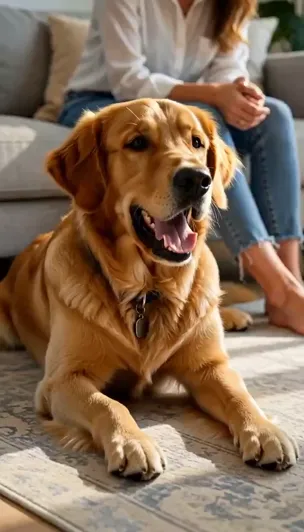
Dogs yawn to defuse tension. If your dog yawns while being hugged or scolded, it is asking for space, not a nap. Give it a moment and the body language relaxes.
Dogs

The slow blink and head turn means 'I'm no threat'

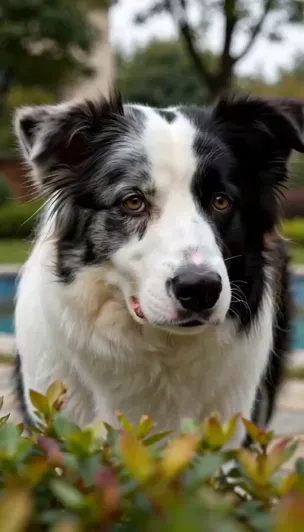
Turning the head away, licking lips and sniffing the ground are calming signals. Dogs use them to keep the peace, and you can mirror them to settle a nervous dog.
Dogs

A wagging tail does not always mean happy

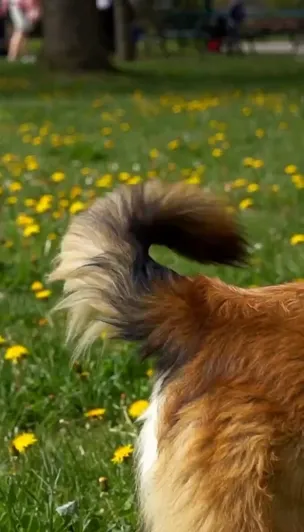
Research shows wags biased to the right signal comfort and to the left signal unease. A high, stiff, fast wag is arousal, and can tip into a bite.

Dogs

Sniffing tires a dog more than running

Twenty minutes of free sniffing on a walk drains more mental energy than an hour of fetch. Let the leash go slack and let the nose lead for a calmer evening.

Dogs

Dogs read your face better than chimps do

Domestication tuned dogs to human expressions and pointing gestures. They check your eyes for permission before taking food, something wolves never do.

Dogs

Puppies have a socialisation window that closes at 16 weeks

Sights, sounds and people met before then feel normal for life. Gentle exposure in that window prevents most adult fear problems.

Dogs

Shaking off is a reset button

A dog that shakes its coat when nothing is wet is discharging stress after a tense moment, like a vet exam or a scuffle. It means the arousal is dropping.

Dogs

Rolling in something foul is scent camouflage

The instinct comes from wild canids masking their own smell or carrying news of a carcass back to the pack. Your dog is not being rude, just very old-fashioned.

Dogs

Grapes and raisins can shut down a dog's kidneys

So can xylitol in sugar-free gum, chocolate, onions and macadamia nuts. Even a small dose matters, so keep the vet's emergency number on the fridge.

Dogs

Chewing releases calming endorphins

A dog that shreds cushions is often under-stimulated rather than naughty. A daily chew or a food puzzle redirects the same need without the damage.

Dogs

Separation anxiety shows in the first 20 minutes

Most distress happens right after you leave. Practising departures of one minute, then five, then fifteen, teaches a dog that you always return.

Dogs

Dogs do not feel guilt when they look guilty

That flattened, whale-eyed look is a response to your tone and posture, not to the chewed shoe. Punishment after the fact teaches fear of you, not of chewing.

Dogs

A dog's nose print is as unique as a fingerprint

Some kennel clubs have accepted nose prints as identification. The pattern of ridges and dimples never repeats between dogs.

Dogs

Hot pavement burns paws in under a minute

If you cannot hold the back of your hand on the ground for seven seconds, it is too hot to walk. Move the walk to dawn or dusk in summer.

Dogs

A tired dog is not always a happy dog

Chronic over-exercise raises stress hormones and builds an athlete who needs more every day. Balance activity with training, chewing and real rest.

Dogs

Crate training works only if the crate is never a punishment

Fed in it, left open, and paired with a chew, the crate becomes a den a dog chooses. Used as a penalty box, it becomes a trap.

Dogs

Dogs learn faster in five-minute bursts

Short frequent sessions beat one long drill, and ending on a success keeps the dog eager. Reward within one second or the link is lost.