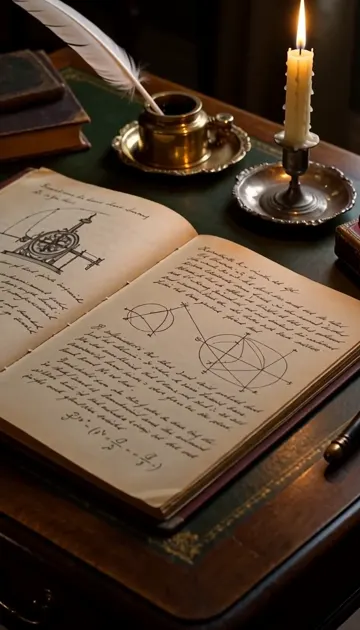
Firsts
The first computer programmer worked in the 1840s
Ada Lovelace wrote an algorithm for Charles Babbage's unbuilt Analytical Engine in 1843, and predicted machines could one day compose music.
Ada Lovelace wrote an algorithm for Charles Babbage's unbuilt Analytical Engine in 1843, and predicted machines could one day compose music.
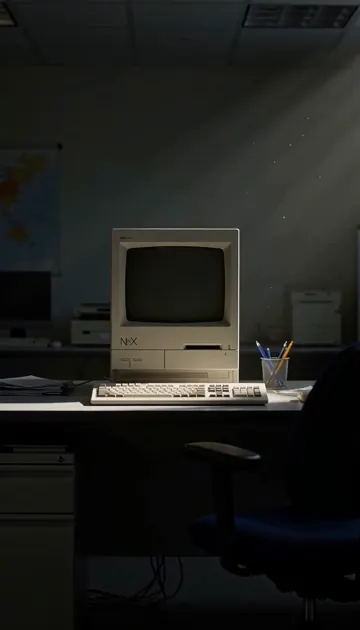
Tim Berners-Lee published info.cern.ch in 1991 from a NeXT computer at CERN. It explained what the World Wide Web was — and the page is still reachable today.
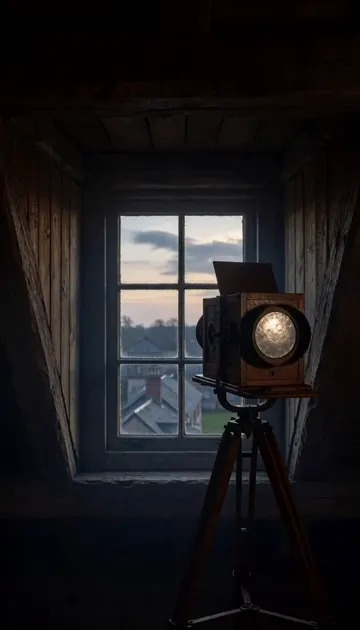
Nicéphore Niépce made the oldest surviving photograph around 1826 in France. The pewter plate needed an exposure of many hours, so the sun lit both sides of the courtyard.
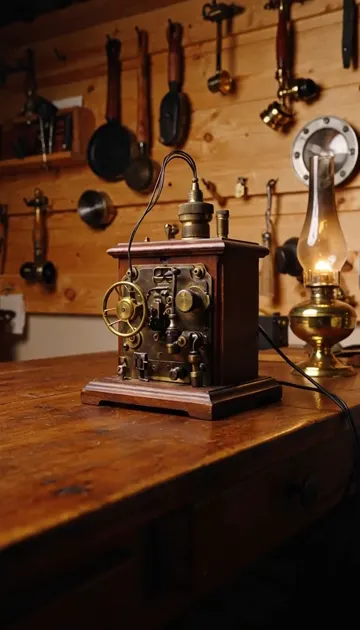
In March 1876 Alexander Graham Bell spoke the first words down a telephone to his assistant in the next room: "Mr. Watson, come here, I want to see you."
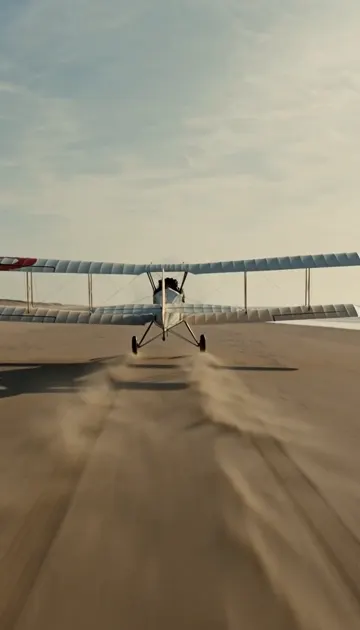
On 17 December 1903 at Kitty Hawk, the Wright Flyer stayed airborne for 12 seconds and covered about 36 metres — shorter than the wingspan of a modern airliner.
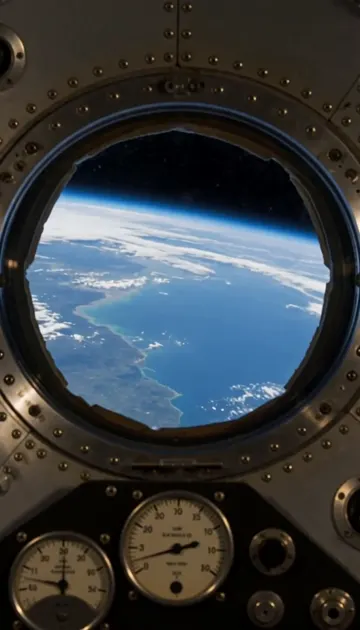
Yuri Gagarin launched on 12 April 1961 and circled the whole planet in 108 minutes. He ejected and parachuted down separately from his capsule.
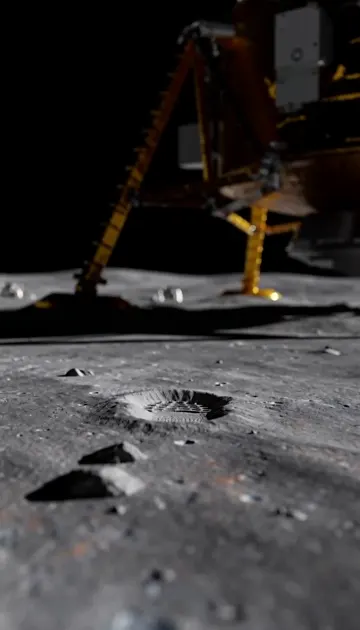
Neil Armstrong stepped onto the Moon on 20 July 1969. With no wind or rain, those bootprints in the dry lunar dust can survive for millions of years.