History
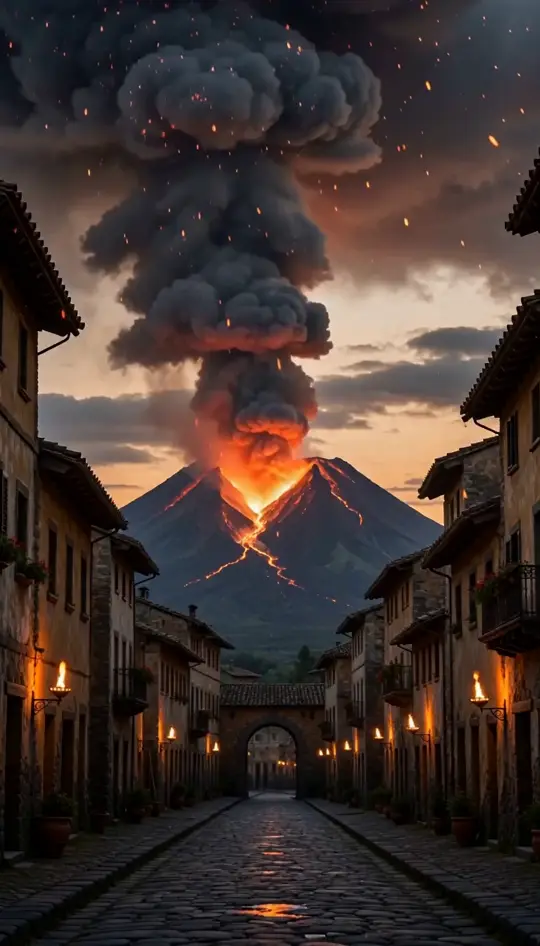
Pompeii was buried in a single day
When Vesuvius erupted in AD 79 it threw a 30 km column of ash into the sky, then collapsed into scorching surges that buried the city under metres of pumice within about 18 hours.
When Vesuvius erupted in AD 79 it threw a 30 km column of ash into the sky, then collapsed into scorching surges that buried the city under metres of pumice within about 18 hours.
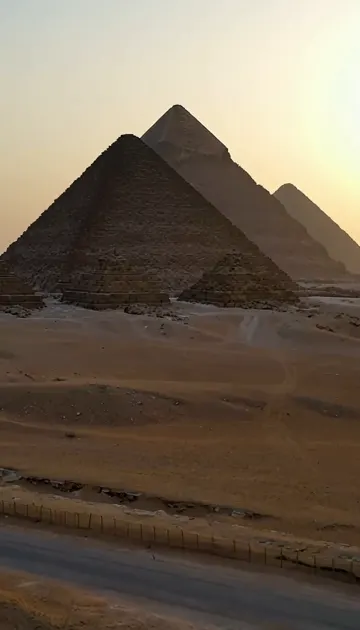
At 146 metres, the Great Pyramid of Giza was the tallest structure humans built until Lincoln Cathedral overtook it in the 1300s.
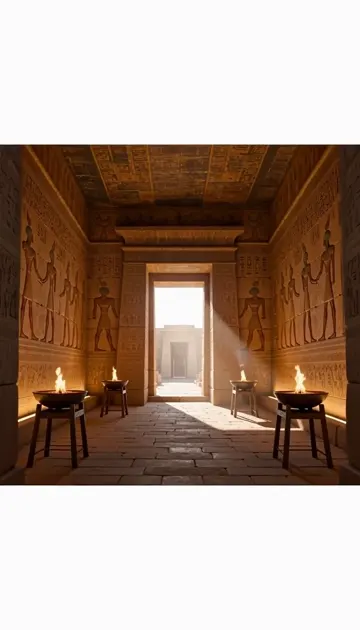
The Great Pyramid was already 2,500 years old in Cleopatra's lifetime. She lived only about 2,000 years before Apollo 11.
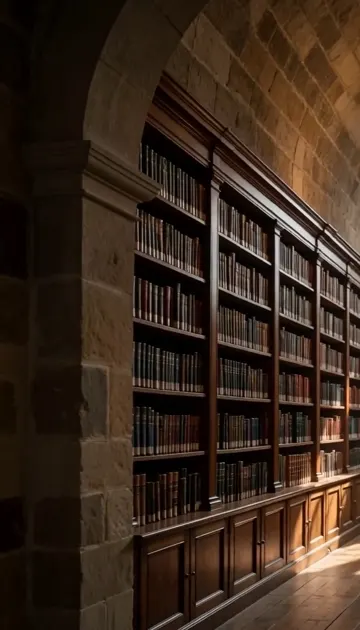
Teaching began at Oxford around 1096. Tenochtitlan, capital of the Aztec Empire, was founded in 1325 — over two centuries later.
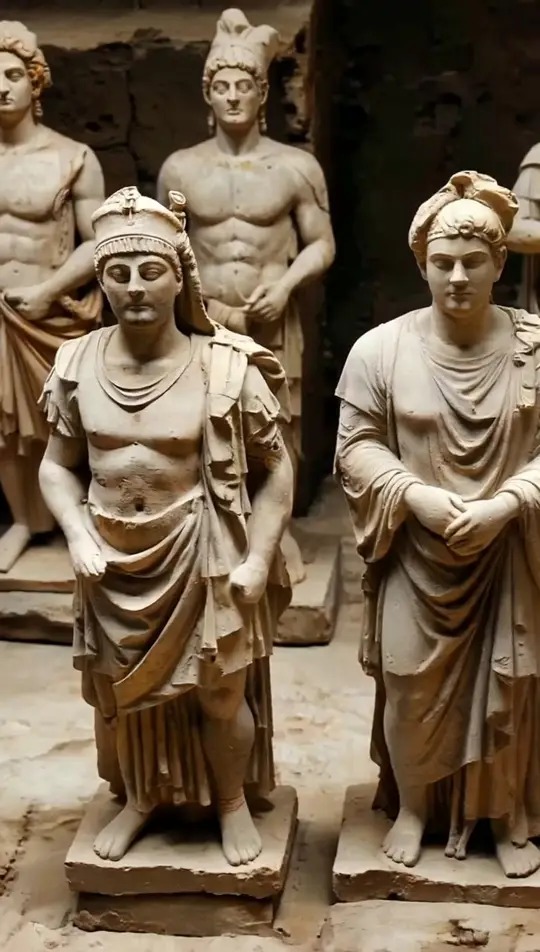
The victims decayed, leaving hollow cavities in hardened ash. In 1863 archaeologists poured plaster into those voids, recreating the exact poses of people who died 1,800 years earlier.
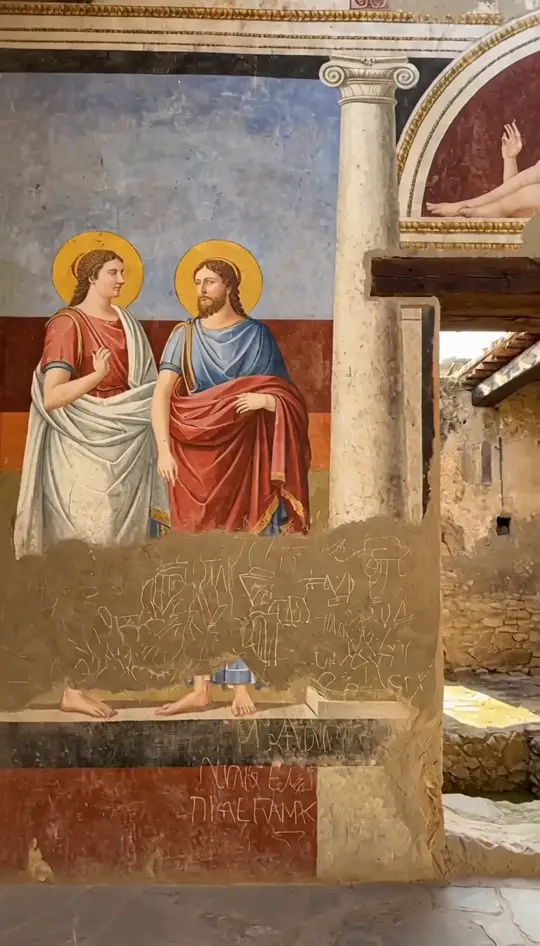
Thousands of messages survive scratched into its walls — election slogans, love notes, insults and bar tabs. It is the closest thing we have to ordinary Roman voices.

Paper, gunpowder, religions and plagues all travelled the same routes. No single trader walked the whole way — goods passed hand to hand for years.