Chernobyl
The exclusion zone became a wildlife sanctuary
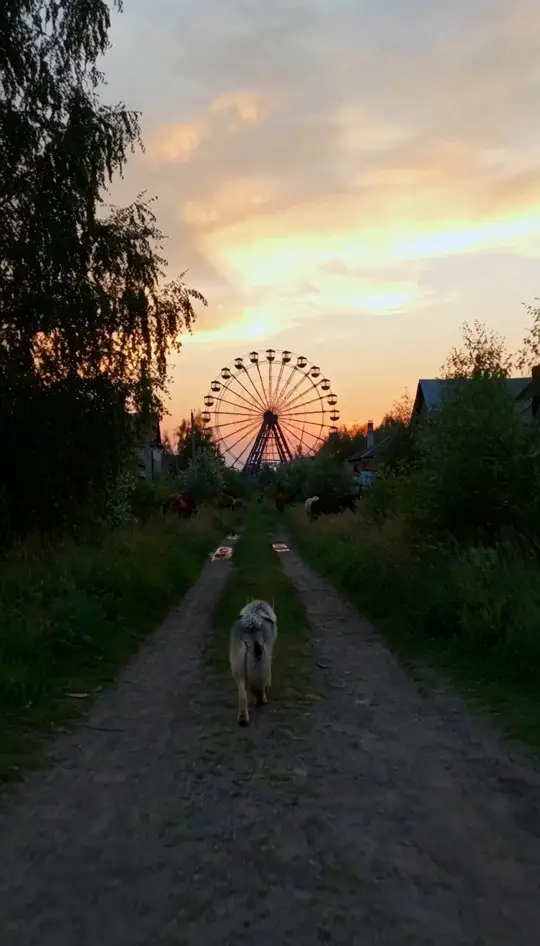
With humans gone, the 2,600 km² zone filled with wolves, lynx, bison and wild horses. Radiation still lingers, but for most species the absence of people has been the bigger factor.
With humans gone, the 2,600 km² zone filled with wolves, lynx, bison and wild horses. Radiation still lingers, but for most species the absence of people has been the bigger factor.
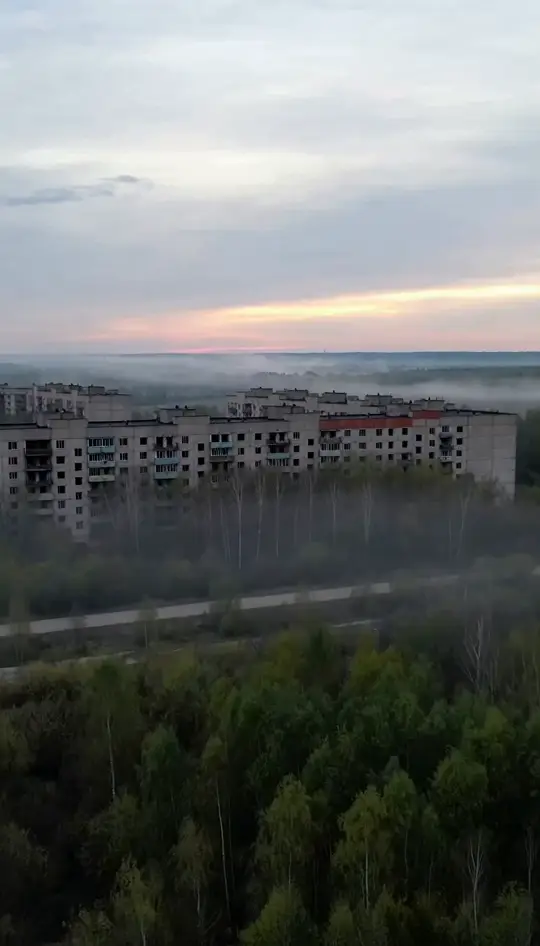
On 26 April 1986 engineers ran a late-night test to see if a dying turbine could power the cooling pumps. The test pushed Reactor 4 into an unstable state and it exploded within seconds.
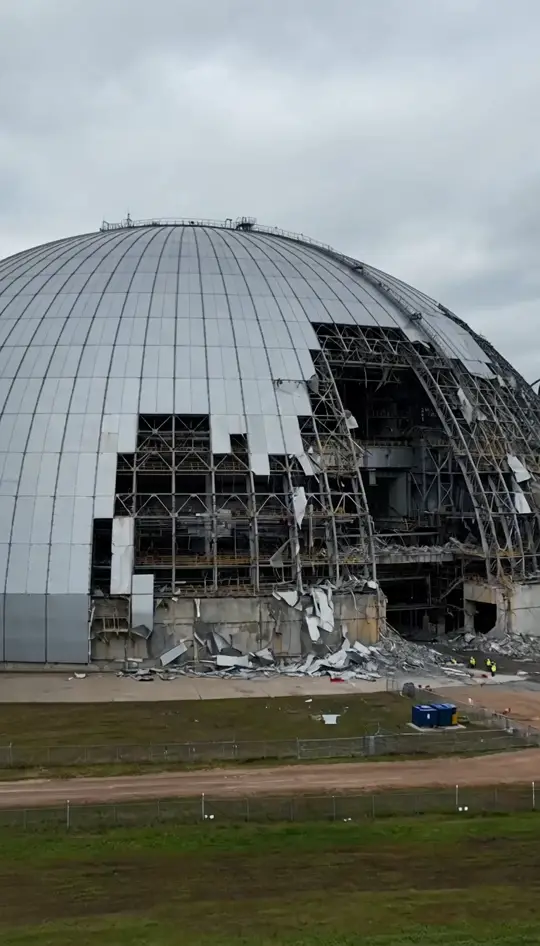
The New Safe Confinement arch is 108 m tall and weighs 36,000 tonnes. It was assembled beside the reactor and slid into place over it — the biggest object ever moved on land.