mythology
Lanka: The Golden City
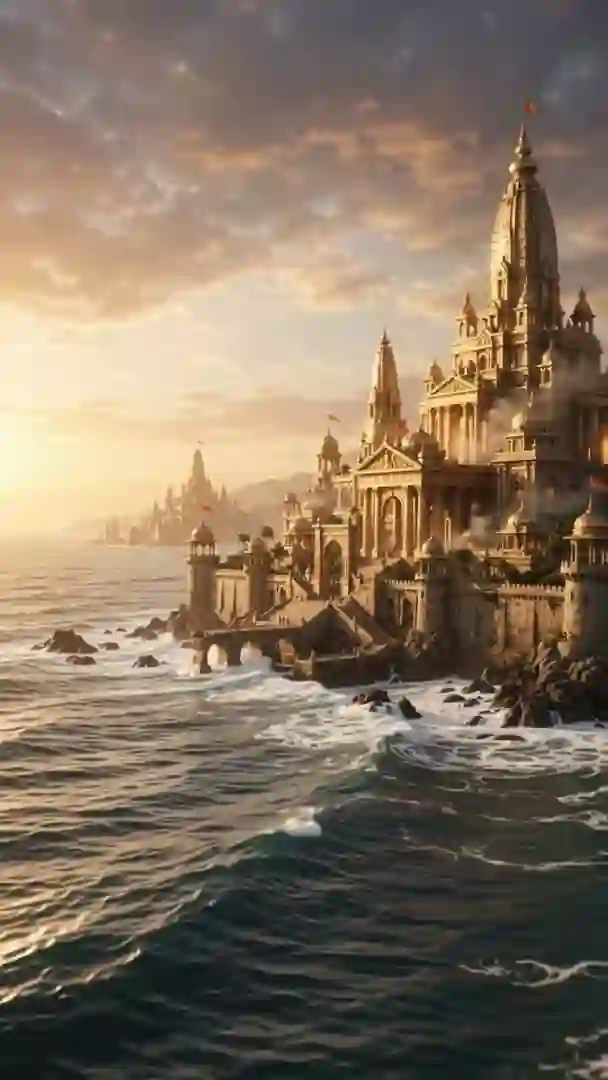
Ravana's Lanka was described in the Ramayana as a magnificent city of gold, guarded by the sea. Ancient texts place it at the island of present-day Sri Lanka, a kingdom of staggering wealth and architecture.
Ravana's Lanka was described in the Ramayana as a magnificent city of gold, guarded by the sea. Ancient texts place it at the island of present-day Sri Lanka, a kingdom of staggering wealth and architecture.
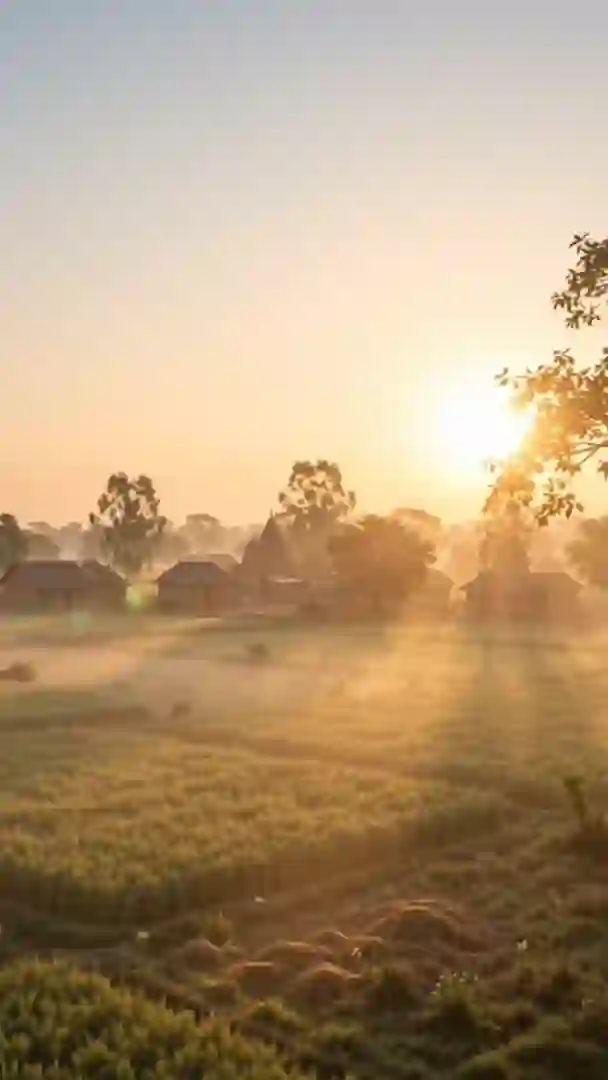
Bisrakh village in Greater Noida, Uttar Pradesh, is traditionally believed to be the birthplace of Ravana. Locals revere him as a scholar-king and do not burn his effigy on Dussehra, holding prayers instead.
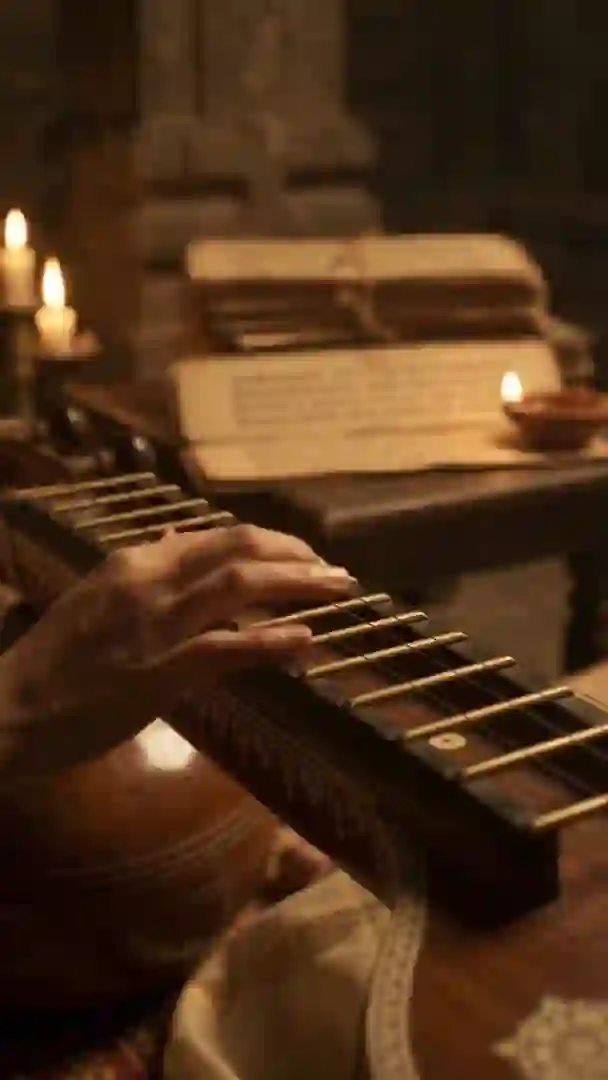
Beyond the villain of the epic, Ravana was a master of the Vedas, a veena virtuoso and a devoted worshipper of Shiva. He is credited with composing the Shiva Tandava Stotram, still chanted today.
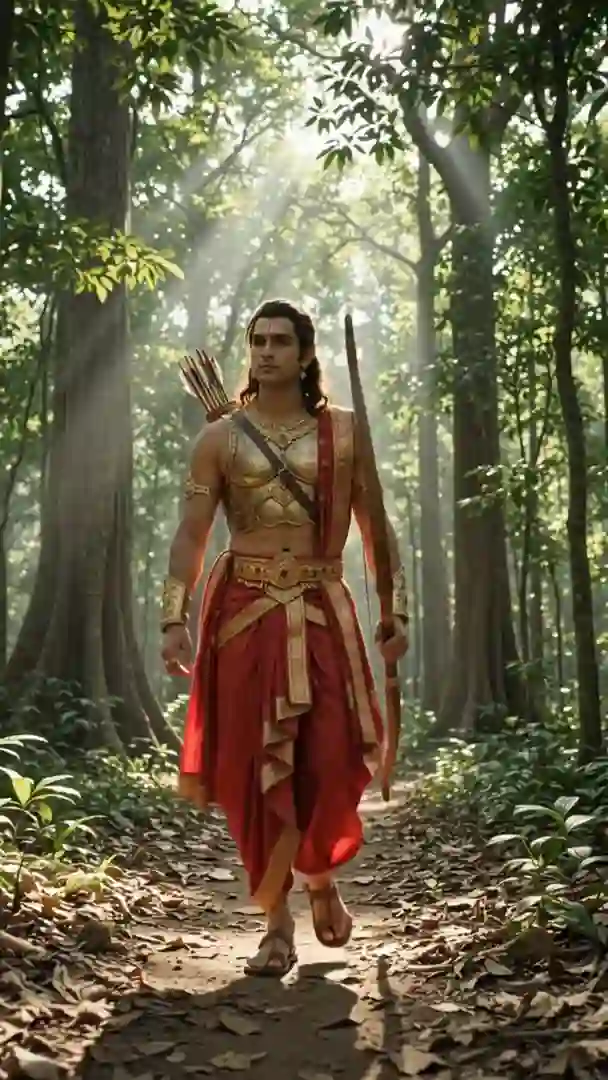
To honor his father's word, Prince Rama of Ayodhya gave up the throne and walked into the forest for 14 years. His calm acceptance of exile made him the timeless symbol of duty and honor.
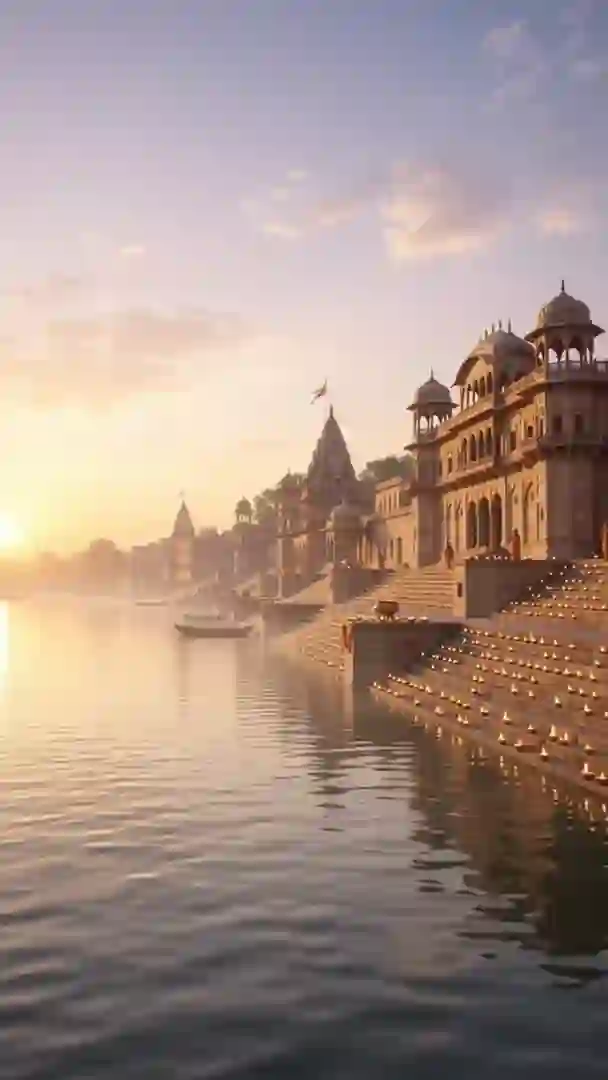
Ayodhya, on the banks of the Sarayu river in Uttar Pradesh, is revered as the birthplace of Lord Rama. The epic describes it as a city of gold-topped palaces that 'did not know sorrow'.
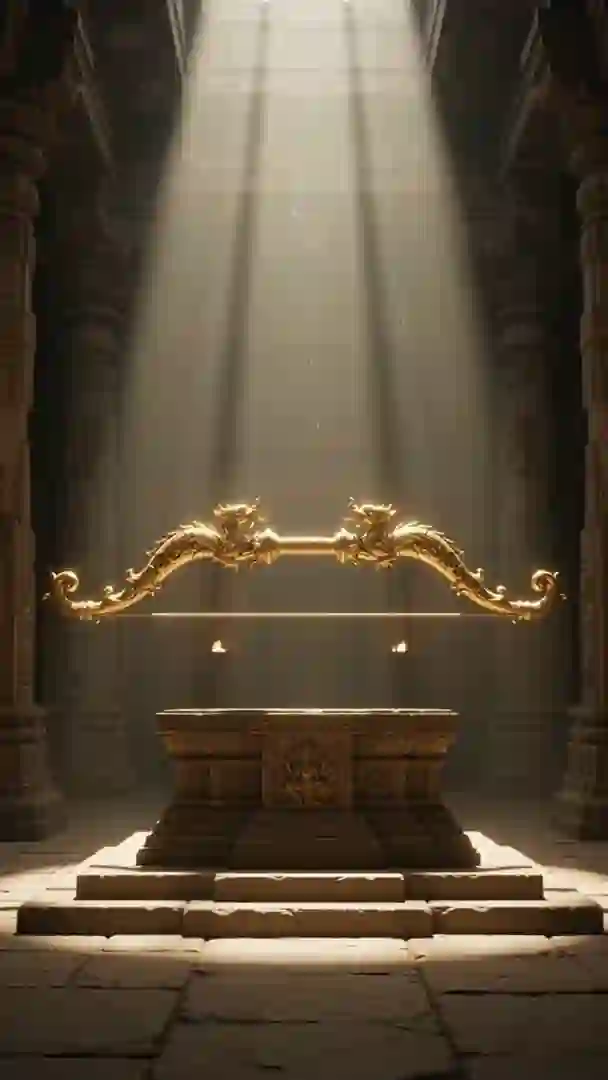
King Janaka declared that only the man who could string the mighty divine bow of Shiva would marry Sita. Rama not only strung it — he snapped it in two, winning his bride and his legend.
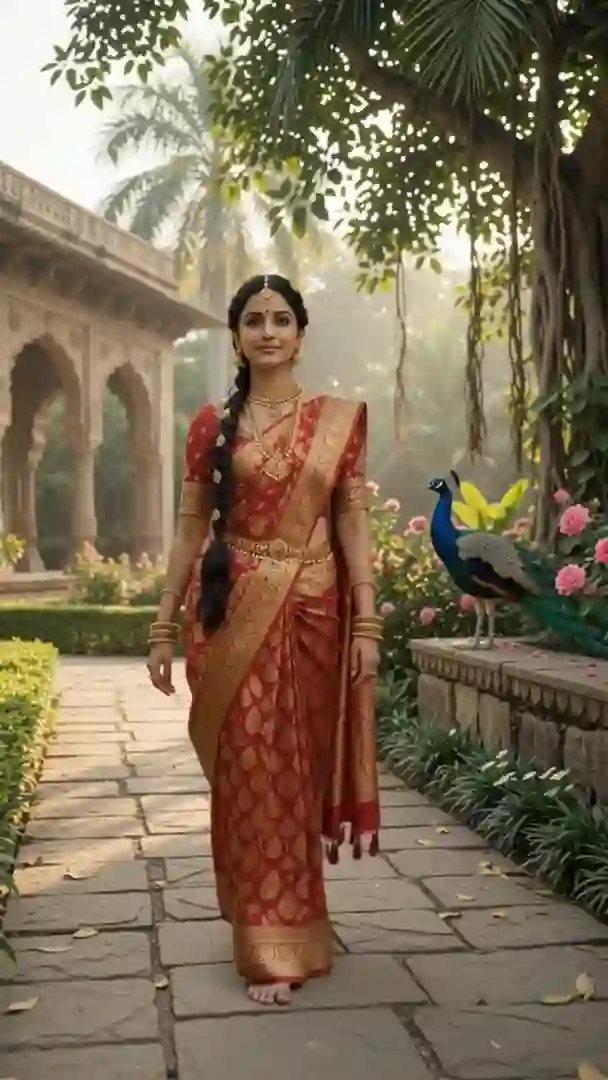
Sita, daughter of King Janaka of Mithila, is remembered as the embodiment of courage and grace. Her name means 'furrow' — a tribute to the earth from which she was found.