
Animals
Emperor penguins dive deeper than submarines go casually
Emperor penguins reach depths beyond 500 metres and hold their breath for over 20 minutes, collapsing their lungs and rerouting blood to essential organs.
Emperor penguins reach depths beyond 500 metres and hold their breath for over 20 minutes, collapsing their lungs and rerouting blood to essential organs.
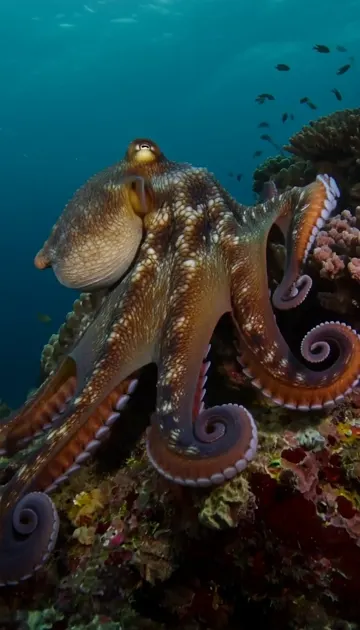
Two hearts pump blood through the gills and one through the body. Copper-based hemocyanin carries their oxygen and turns the blood blue.
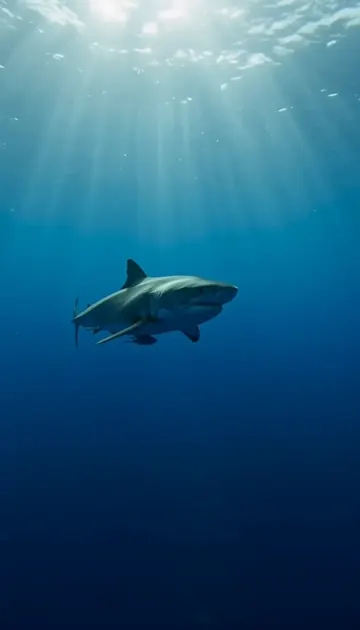
Sharks have patrolled the oceans for about 450 million years. The first trees appeared roughly 100 million years later — sharks predate Saturn's rings too.
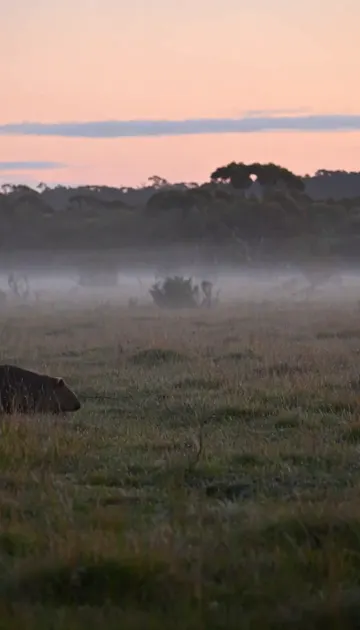
Their intestines have stretchy and stiff sections that mould waste into cubes — so it stays put on rocks and logs when marking territory.
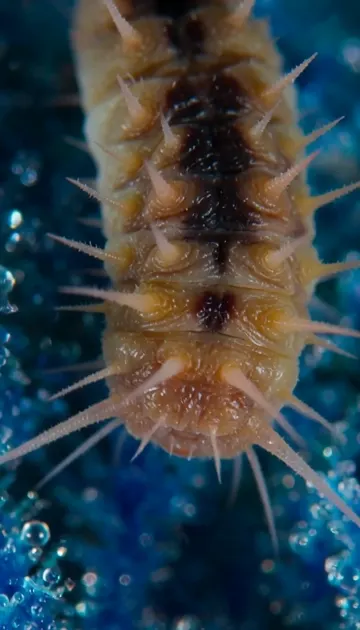
These half-millimetre "water bears" dry into a tun state and shrug off radiation, boiling heat and near absolute zero — and have been revived after a space trip.
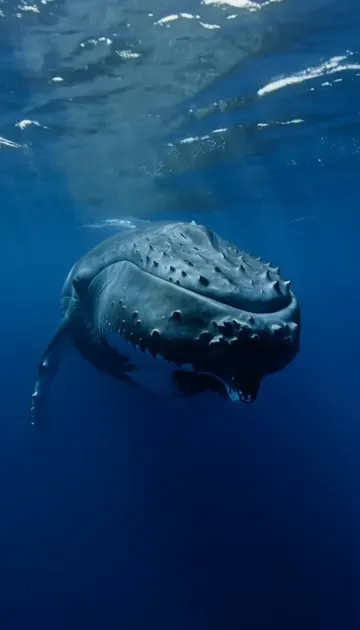
It weighs around 180 kg and beats as slowly as twice a minute during deep dives — audible from three kilometres away.

A sloth's stomach has multiple chambers and works so slowly that a single leaf meal can take up to 30 days to digest. Their whole metabolism runs at about half the rate expected for their body size.