AI
Language models do not read words
Text is split into tokens — chunks of characters. A rare word may cost several tokens, which is why models sometimes miscount the letters inside one.
Text is split into tokens — chunks of characters. A rare word may cost several tokens, which is why models sometimes miscount the letters inside one.
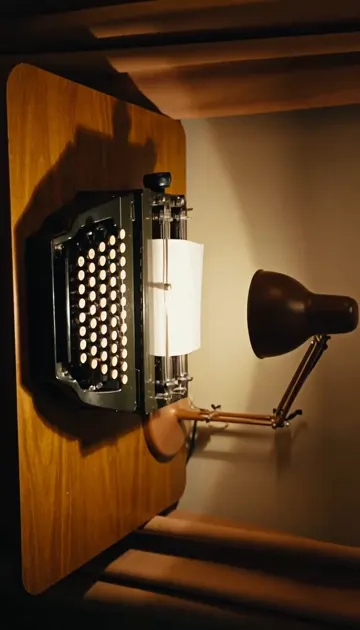
In 1950 Alan Turing proposed the imitation game: if a person cannot tell a machine from a human in conversation, asking whether it thinks may be the wrong question.
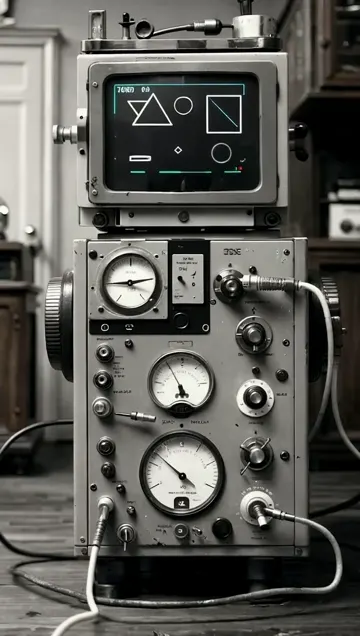
Frank Rosenblatt's Perceptron was a physical machine with motor-driven weights that learned to classify simple shapes — decades before the deep learning boom.
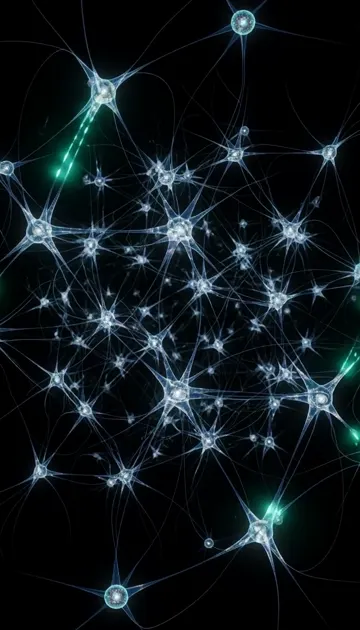
Backpropagation sends the error at the output back through the network, nudging millions of weights slightly in the direction that reduces it. Repeat billions of times.

"Attention Is All You Need" introduced the Transformer, letting models weigh every word against every other word at once. Almost every large model today descends from it.
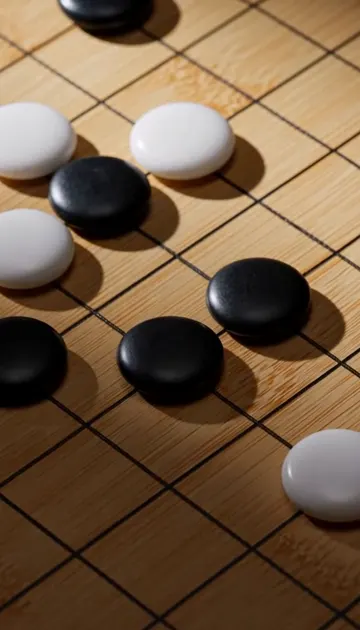
In 2016 AlphaGo played a move human experts called a mistake. It won the game — and changed how professionals understood a 2,500-year-old game.
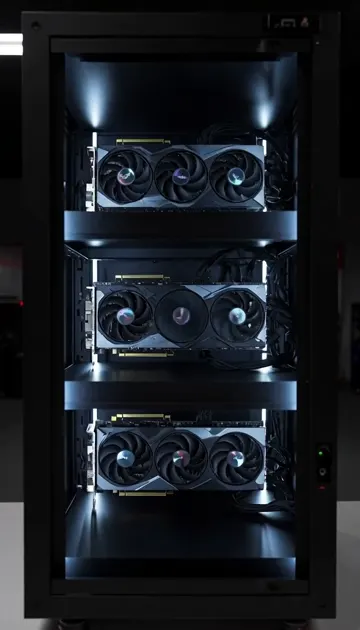
GPUs were built to render game pixels in parallel — the same maths as multiplying huge matrices, which is exactly what training a neural network needs.