
Psychology
Every time you recall a memory you rewrite it
Memories are not recordings. Recalling one makes it temporarily unstable, and it is re-stored with whatever mood and context you are in now. Your most-told story is your least accurate one.
Memories are not recordings. Recalling one makes it temporarily unstable, and it is re-stored with whatever mood and context you are in now. Your most-told story is your least accurate one.

The Dunning-Kruger effect: when you know very little about a subject, you cannot see how much you are missing, so confidence outruns skill. Real expertise usually brings more doubt, not less.

The cocktail party effect: even while ignoring a crowd of voices, your attention system keeps scanning them and snaps to your own name. You were never really tuning it all out.
The Zeigarnik effect: people remember interrupted or incomplete tasks far better than finished ones. Starting something is often the trick to stop forgetting it.

In the placebo effect, expectation alone triggers measurable changes — the brain releases its own painkillers. It works even in some trials where patients are told the pill is inactive.
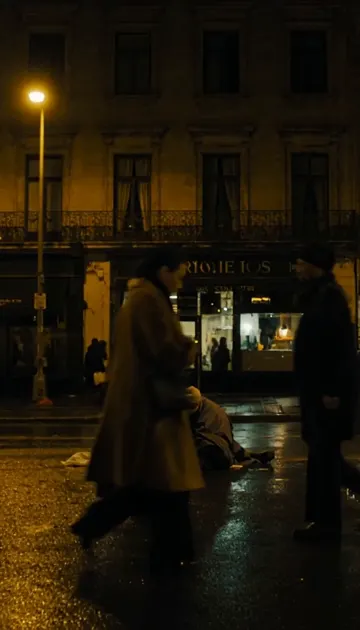
The bystander effect: in a crowd, responsibility feels shared, so each person waits for someone else to act. Naming one specific person to help breaks the spell.

Loss aversion, measured by Kahneman and Tversky, means people work harder to avoid losing something than to gain the same amount. It quietly shapes prices, insurance and bets.