Space
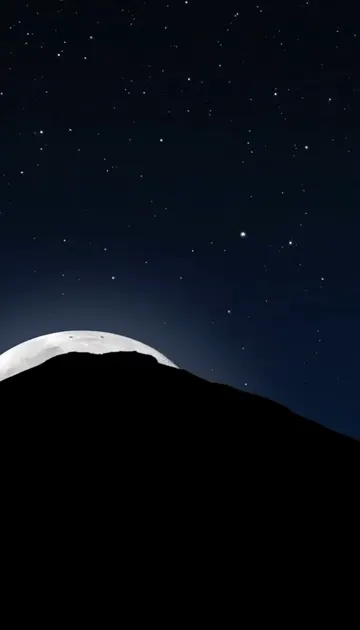
The Moon drifts 3.8 cm away every year
Tidal friction slowly pushes the Moon outward and lengthens our days. In the age of dinosaurs a day lasted about 23 hours.
Tidal friction slowly pushes the Moon outward and lengthens our days. In the age of dinosaurs a day lasted about 23 hours.
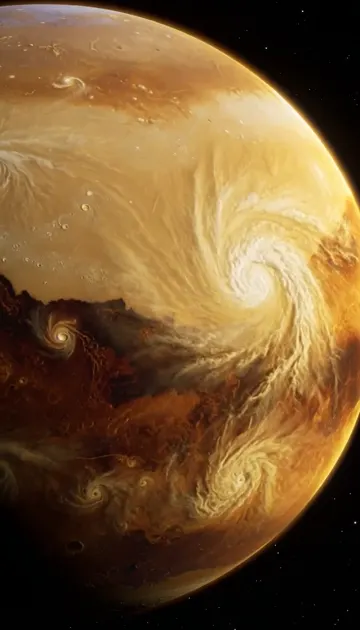
Venus takes 243 Earth days to spin once, but only 225 to orbit the Sun — so a single Venusian day outlasts its year.
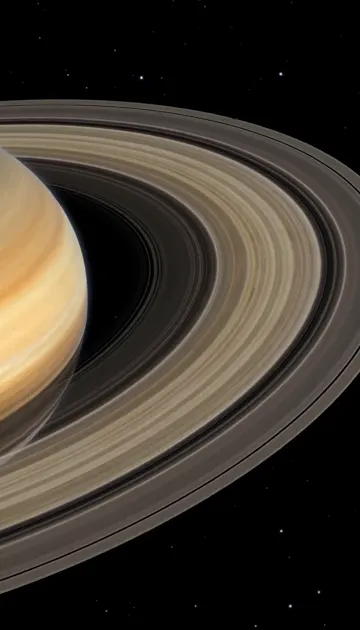
Saturn is mostly hydrogen and helium, giving it a density lower than water. Find a bathtub big enough and the ringed planet would bob on the surface.
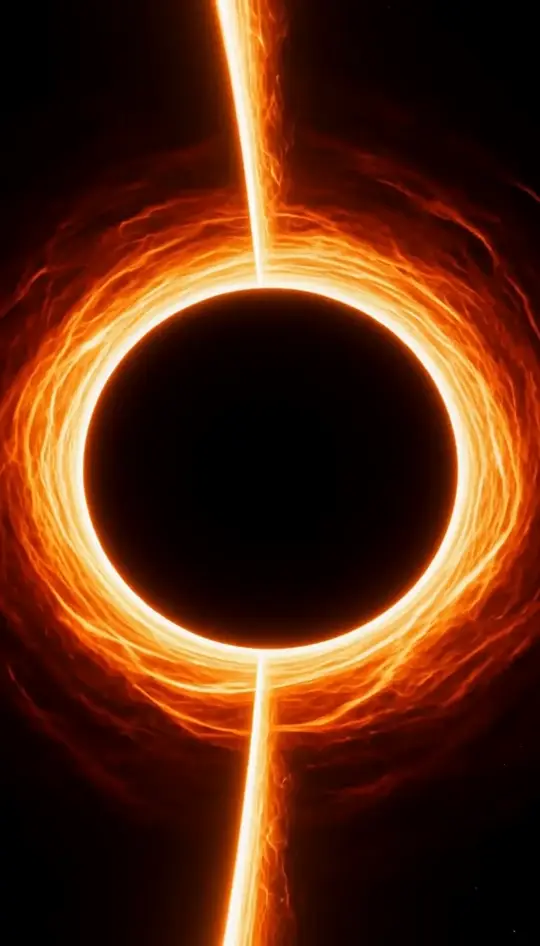
In 2019 eight radio observatories across the planet were linked into one virtual dish the width of Earth. It imaged M87*, a black hole 55 million light years away.
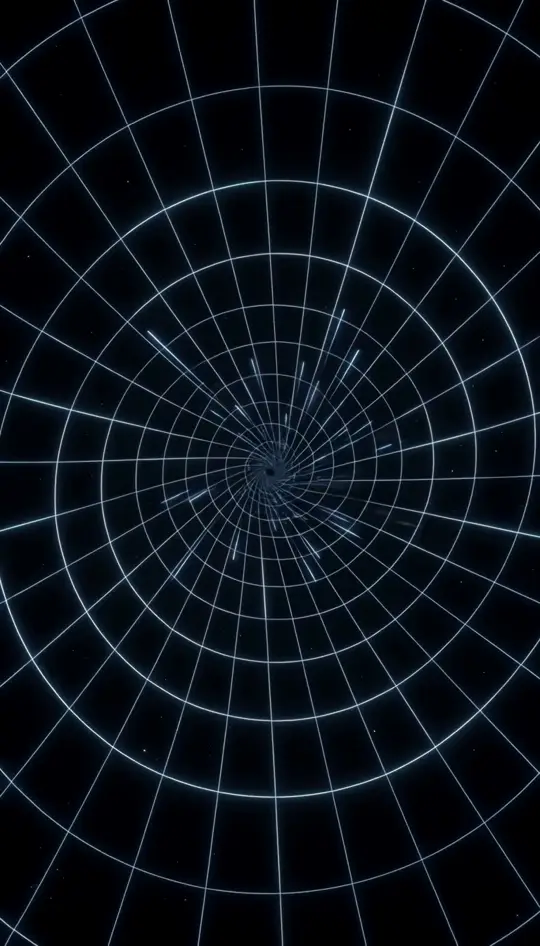
Gravity stretches time. Watch someone fall toward the event horizon and they appear to slow, redden and freeze forever — while for them, the fall takes only moments.
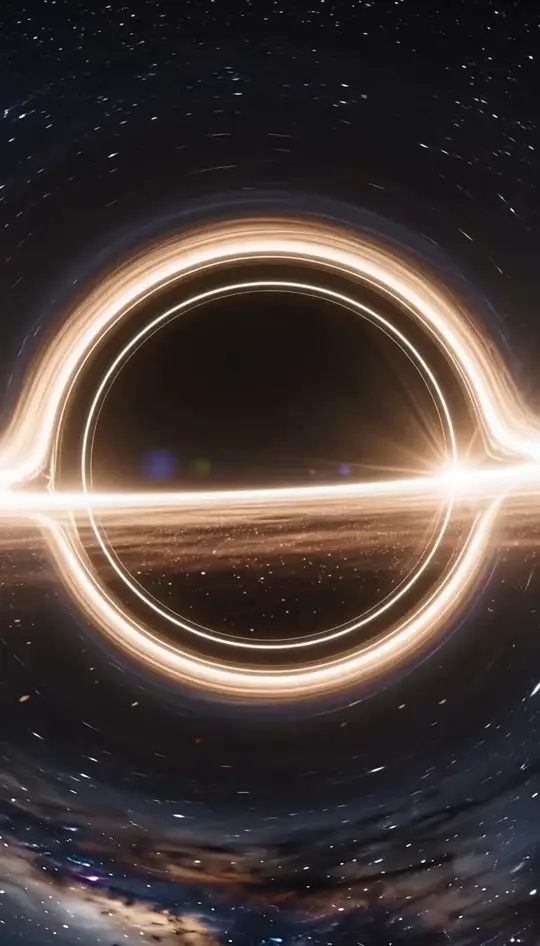
Stephen Hawking showed black holes leak faint radiation and shrink. A stellar-mass one would take about 10^67 years to vanish — far longer than the universe has existed.
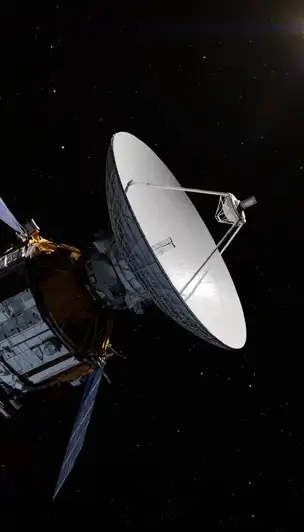
Voyager 1 launched in 1977 and crossed into interstellar space in 2012. Its signal now takes over 22 hours to reach Earth.