Sports
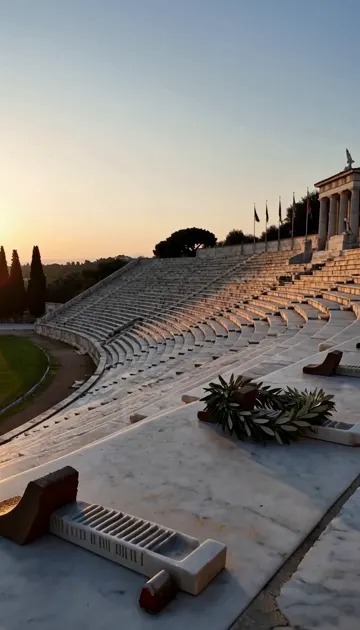
The ancient Olympics ran for nearly 1,200 years
From 776 BC until Roman emperors banned them around AD 393, the Games were held every four years without a break.
From 776 BC until Roman emperors banned them around AD 393, the Games were held every four years without a break.

The 1908 London course was stretched so it could start at Windsor Castle and finish in front of the royal box. That odd distance was locked in for good in 1921.

Usain Bolt reached that speed between 60 and 80 metres of his 9.58-second world record. No human has been timed faster on foot.
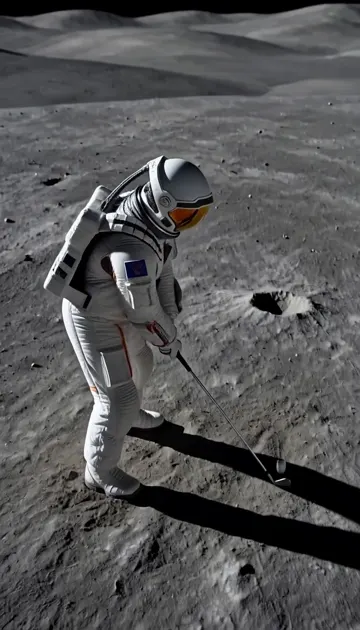
In 1971 Alan Shepard swung one-handed in a stiff spacesuit during Apollo 14. In one-sixth gravity with no air, the ball sailed far beyond any earthly drive.
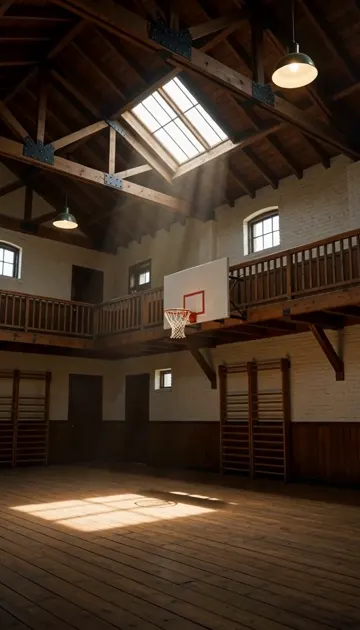
James Naismith nailed fruit baskets to a gym balcony in 1891 to keep students active indoors. Someone had to fetch the ball out after every score.
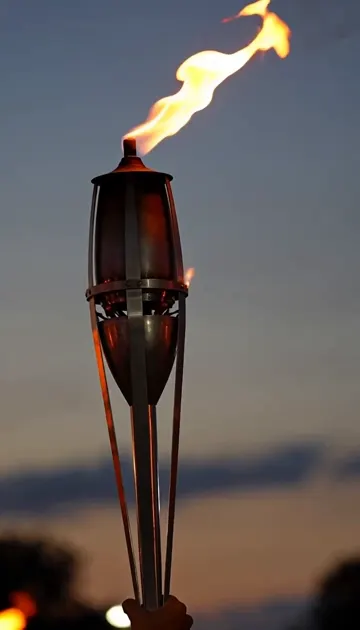
Ancient Greece had sacred fires, but the cross-country relay from Olympia was invented for the 1936 Berlin Games and kept ever since.

The 1939 Timeless Test in Durban was played to a finish, until the England team had to leave to catch their ship home.