Craft
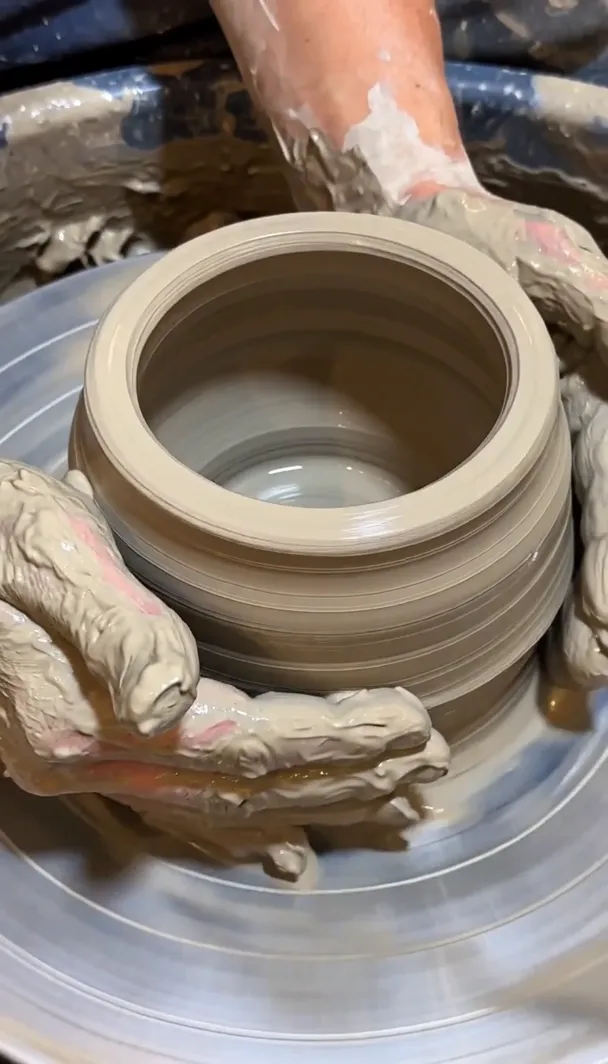
Centring clay is the hardest part
Before shaping anything, the potter forces the lump into perfect rotational balance. A few millimetres off-centre and the walls thin unevenly and collapse.
Before shaping anything, the potter forces the lump into perfect rotational balance. A few millimetres off-centre and the walls thin unevenly and collapse.
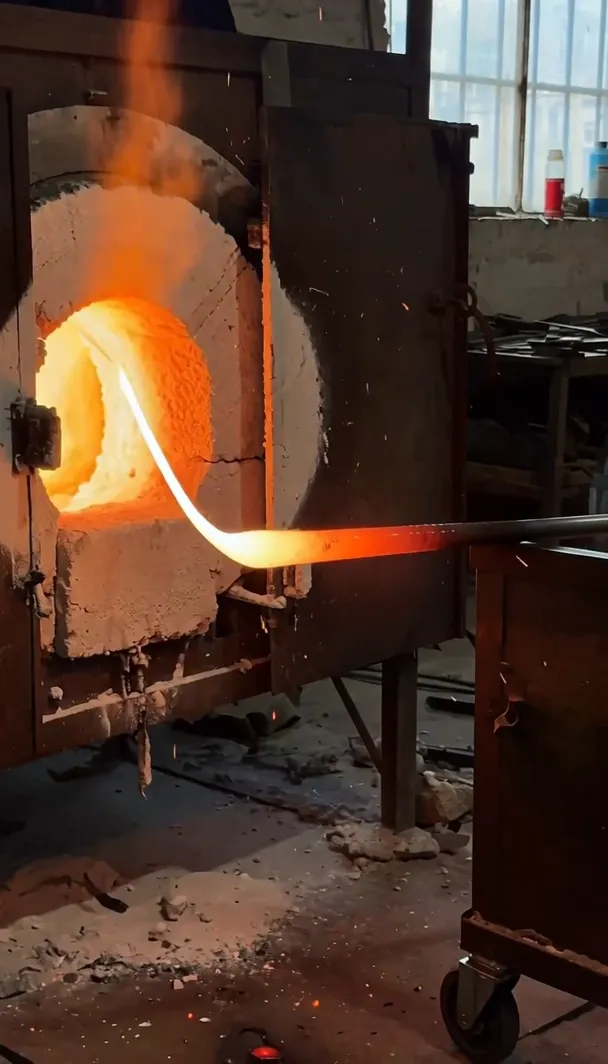
Glassblowers gather glass at furnace temperatures above 1,100°C, where it flows like honey. The pipe must keep spinning — stop, and gravity pulls the piece out of shape.
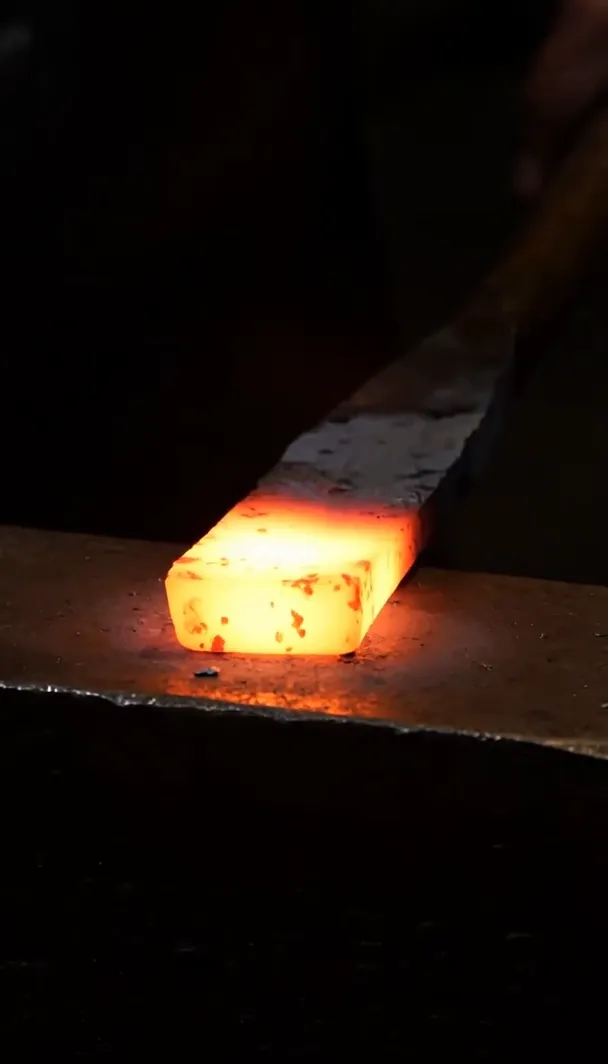
Pattern-welded steel is made by forge-welding layers together and folding them again and again. Etching in acid reveals the layers as flowing bands across the blade.
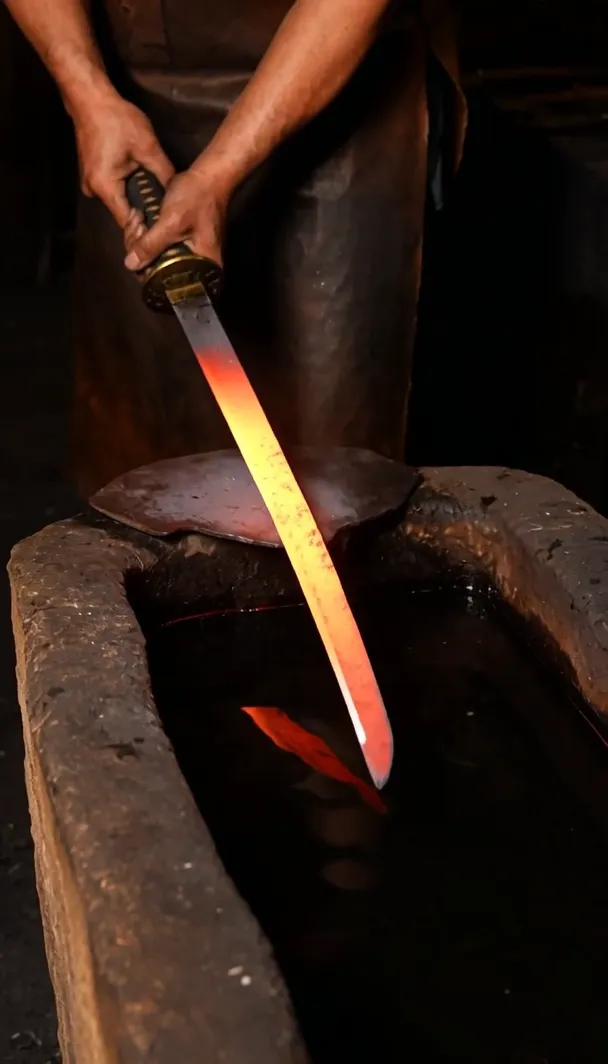
Smiths coat the blade's spine in thick clay so it cools slower than the edge. The edge hardens, contracts differently, and the blade bends into its curve in seconds.
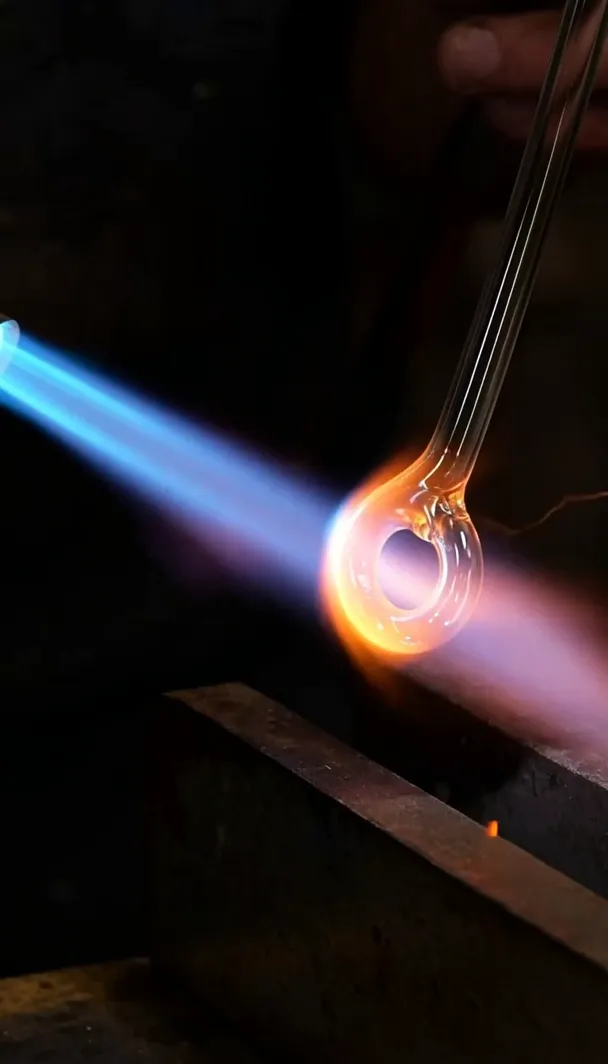
Bent glass tubes are filled with low-pressure noble gas. Electricity excites the atoms and they release light — pure neon glows red-orange; other colours use argon and coatings.
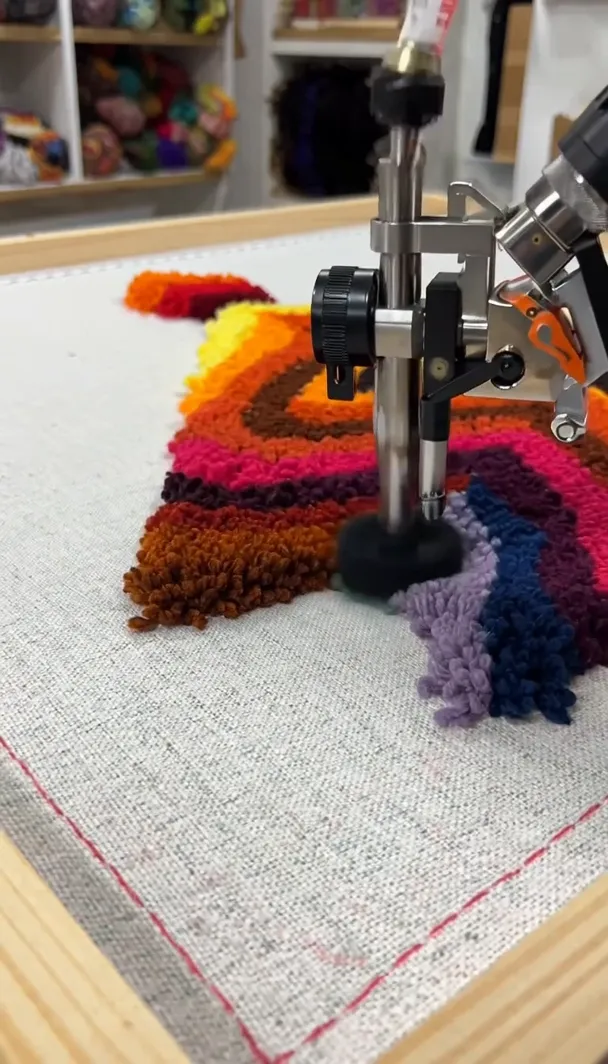
The needle punches yarn through stretched cloth over and over, leaving loops behind. The design is drawn on the back — the maker never sees the front until it is cut free.
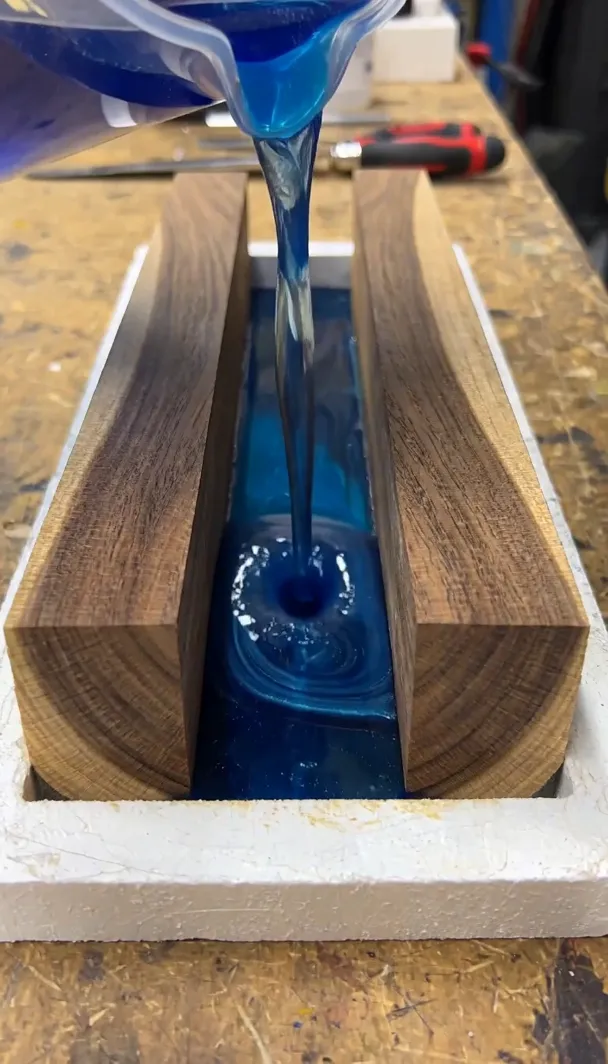
Epoxy hardens through an exothermic reaction that makes its own heat. Pour it too thick and the slab can bubble, yellow, or crack itself apart from the inside.