
Inventions
Gunpowder was invented while hunting for immortality
Chinese alchemists mixing saltpetre, sulphur and charcoal were trying to brew an elixir of eternal life. They got explosives instead.
Chinese alchemists mixing saltpetre, sulphur and charcoal were trying to brew an elixir of eternal life. They got explosives instead.
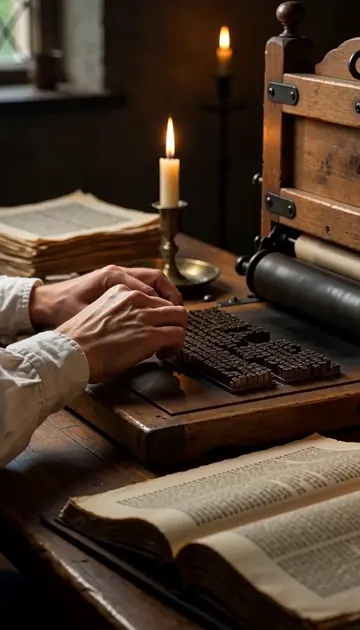
Before 1440 a scribe needed months to copy one book by hand. Gutenberg's movable-type press could print hundreds of pages a day, and Europe went from a few thousand books to millions within 50 years.
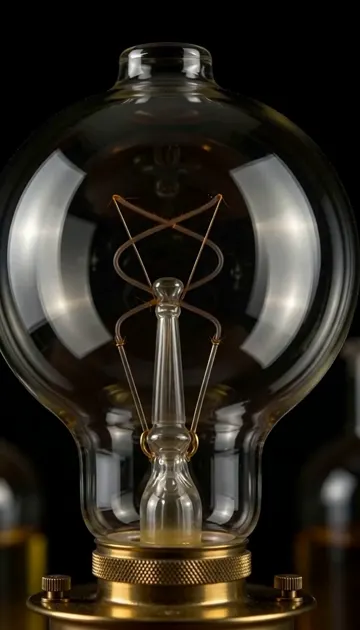
The bulb wasn't a single flash of genius. Edison's team tried thousands of substances, including bamboo, before finding a carbon filament that glowed for more than 1,200 hours.
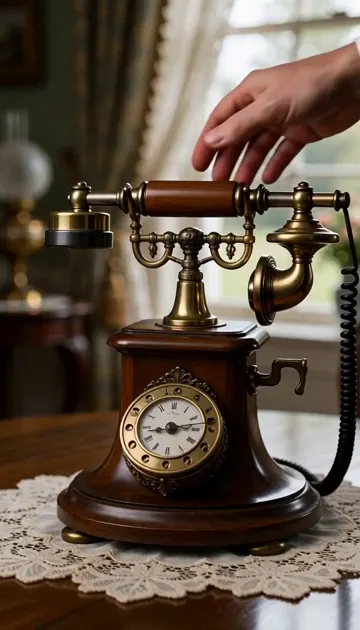
Alexander Graham Bell filed his telephone patent on 14 February 1876, only hours before Elisha Gray filed a caveat for a very similar device. Those few hours shaped the entire telecom industry.
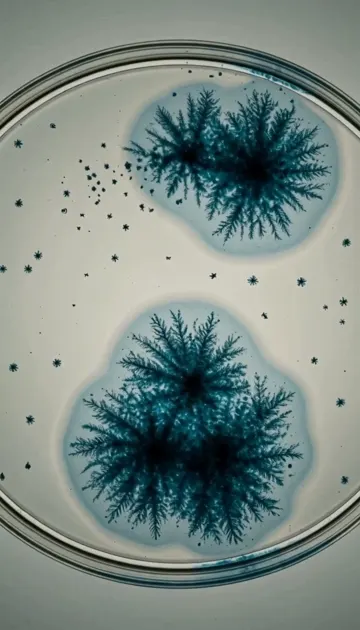
Alexander Fleming returned from holiday in 1928 to a contaminated culture plate. The mould killing the bacteria around it became the first true antibiotic and has saved an estimated 200 million lives.
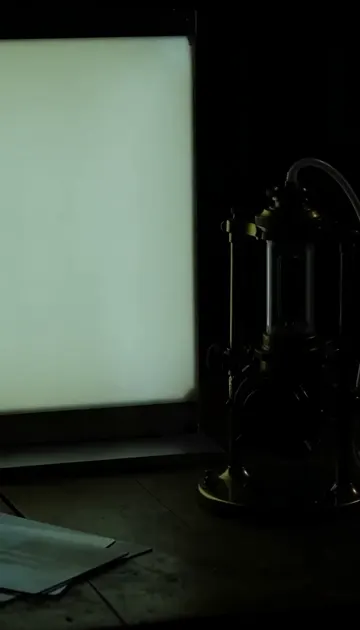
In 1895 Rontgen noticed a screen glowing across his darkened lab while working with a covered tube. Weeks later he imaged his wife's hand, and medicine could see inside a living body for the first time.
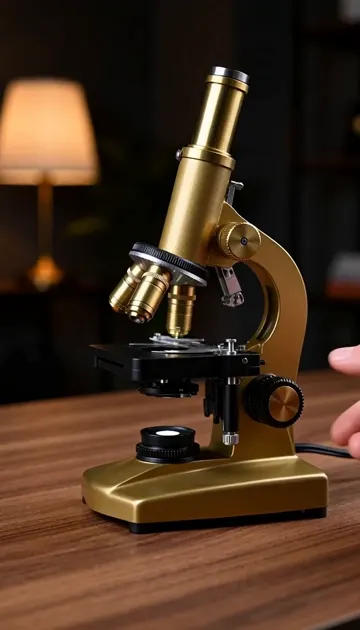
Antonie van Leeuwenhoek ground his own tiny lenses to inspect fabric, then pointed them at pond water in the 1670s and became the first human to see bacteria, which he called animalcules.