Food Science
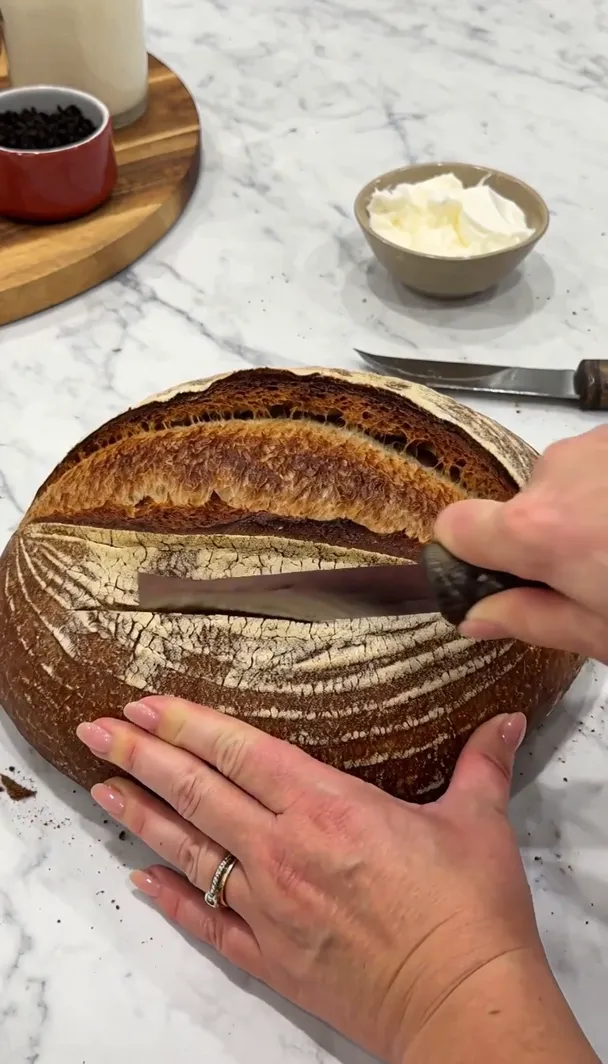
Bread rises on carbon dioxide bubbles
Yeast eats sugars in the dough and exhales CO2, which gets trapped by gluten. In the oven the trapped gas expands fast — that final surge is called oven spring.
Yeast eats sugars in the dough and exhales CO2, which gets trapped by gluten. In the oven the trapped gas expands fast — that final surge is called oven spring.
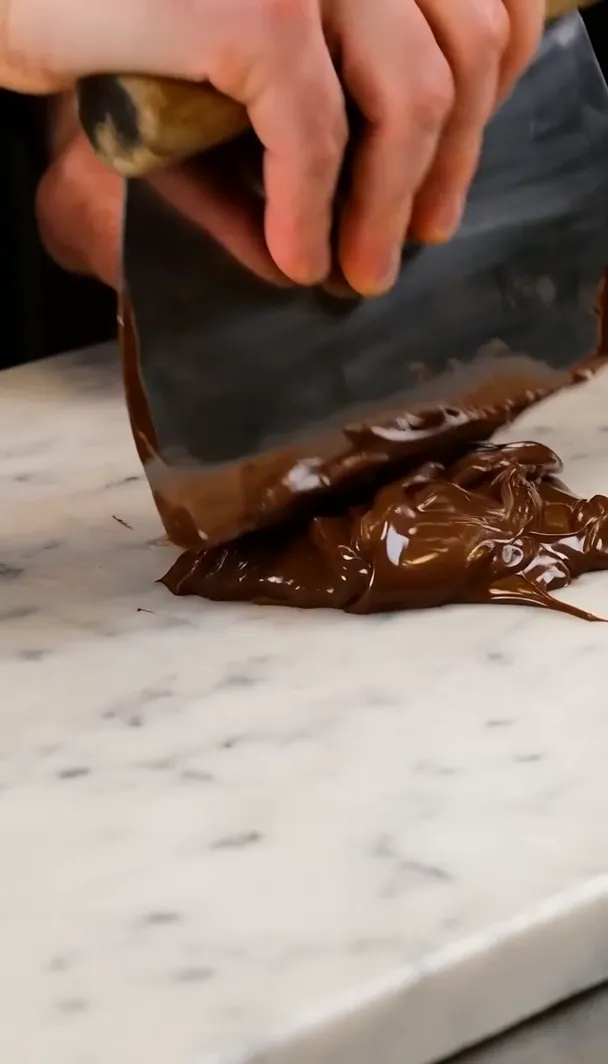
Cocoa butter can set in six different crystal structures. Tempering coaxes it into Form V, the only one that snaps cleanly and shines instead of turning dull and grainy.
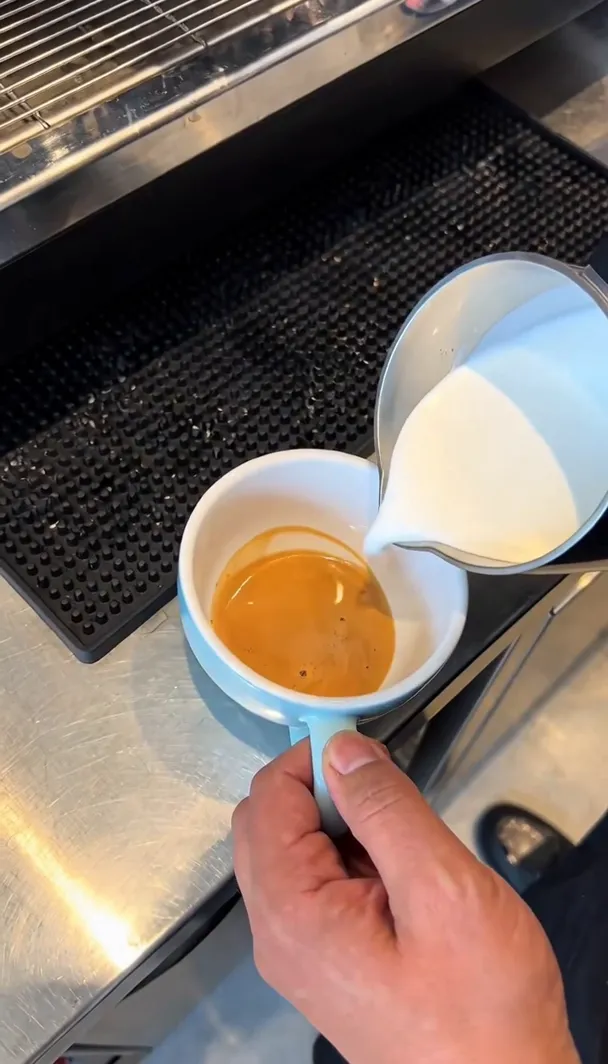
Good steaming makes bubbles so small the milk becomes a glossy paint. Big bubbles float on top and the pattern collapses before the cup reaches the table.
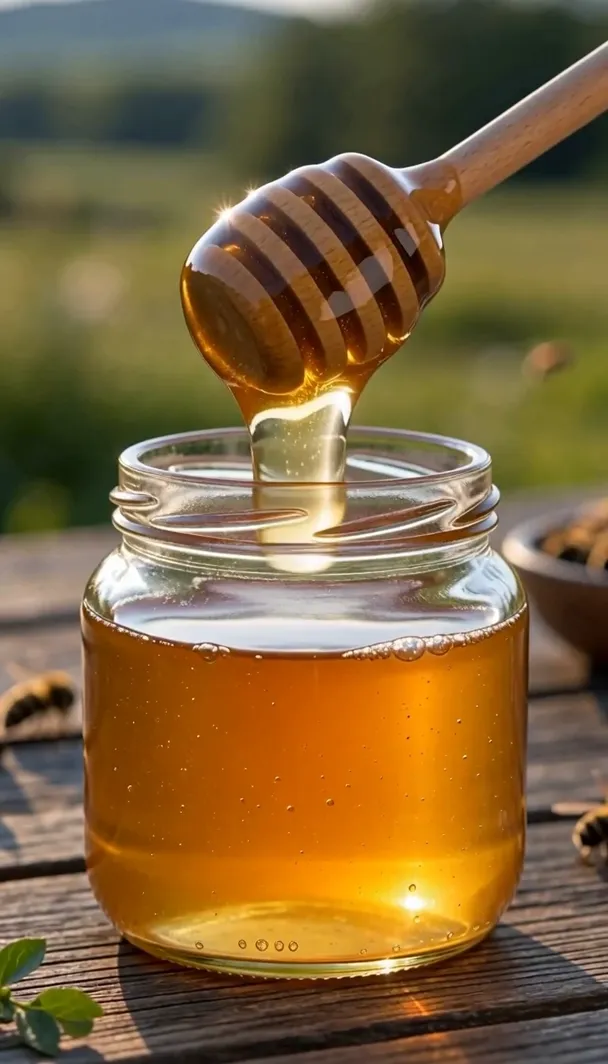
Honey is so low in water and so acidic that bacteria cannot grow in it. Sealed pots found in Egyptian tombs were still unspoiled thousands of years later.
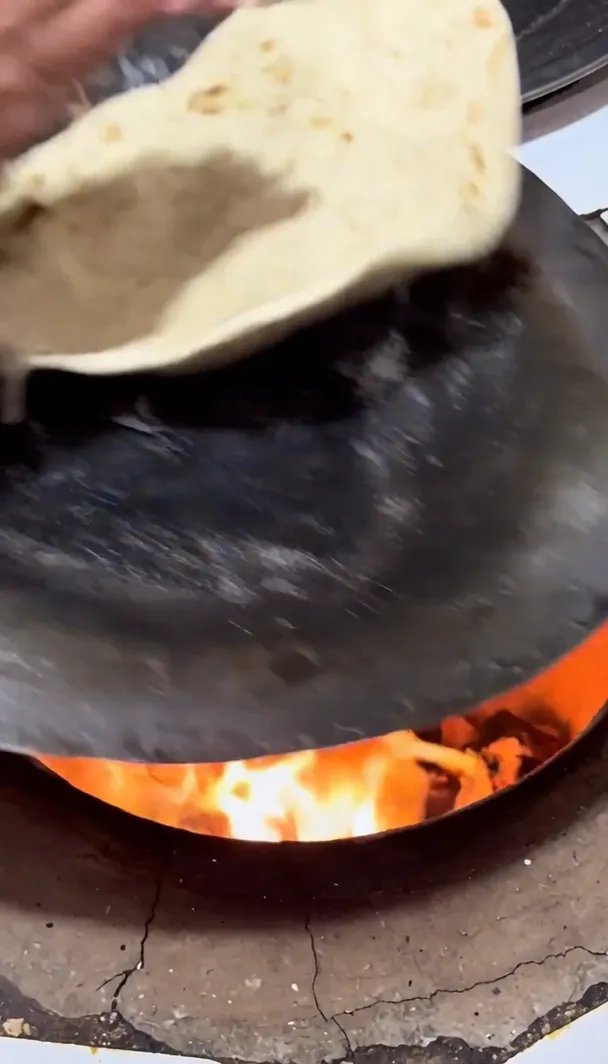
The clay walls store ferocious heat, so naan cooks in about 60 seconds. The dough sticks to the wall because it is slapped on wet and steams itself off when done.
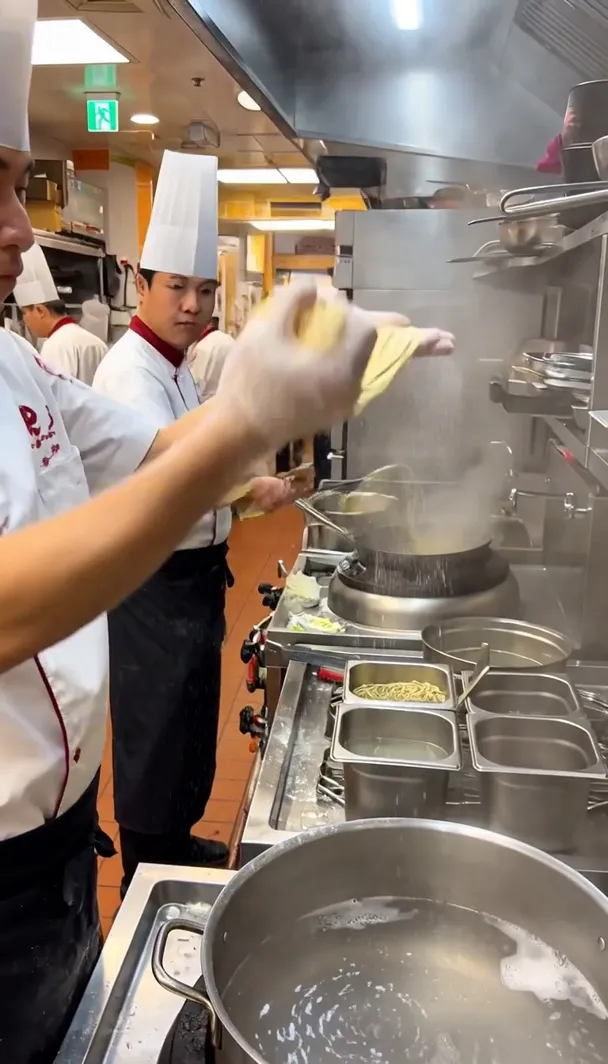
Kansui — alkaline mineral water — changes how gluten links up, giving ramen its yellow tint and bouncy chew. Without it, you get pasta, not ramen.
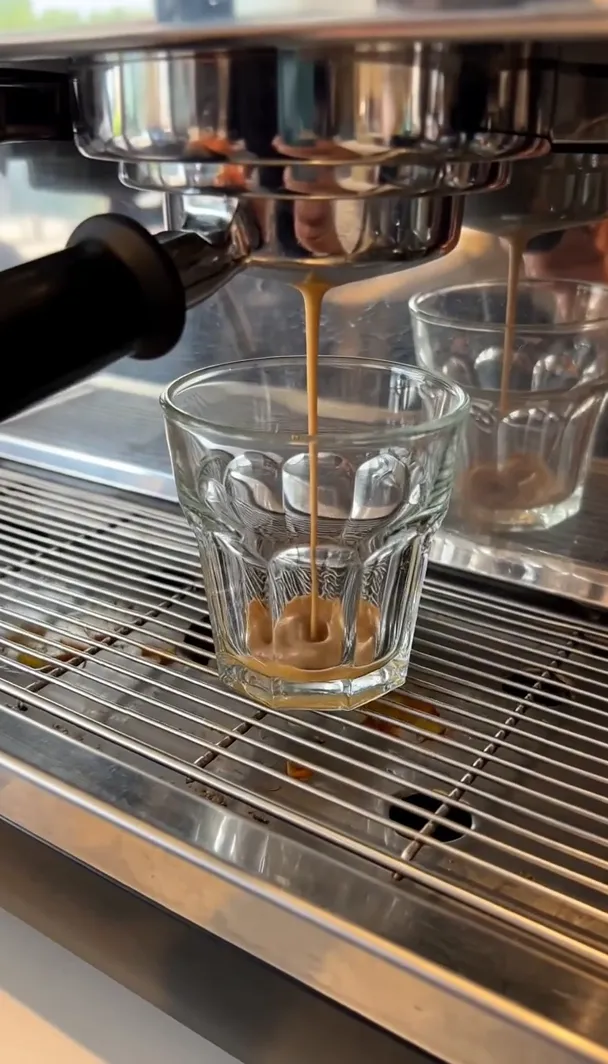
Nine bars of pressure force CO2 trapped in roasted coffee into the water. When the pressure drops in the cup, it comes back out as that hazelnut foam.